Four people in a room, a track that didn’t exist that morning, and no conversation yet about who owns what. Someone raises it eventually, over text, weeks later, usually after one of them has played it to a manager.
The delay is fine. Ownership is a negotiation, and settling it at one in the morning while everyone’s still pleased with the work is a good way to get it wrong. What doesn’t have to wait is the record that the work exists.
Register first, add people as it settles
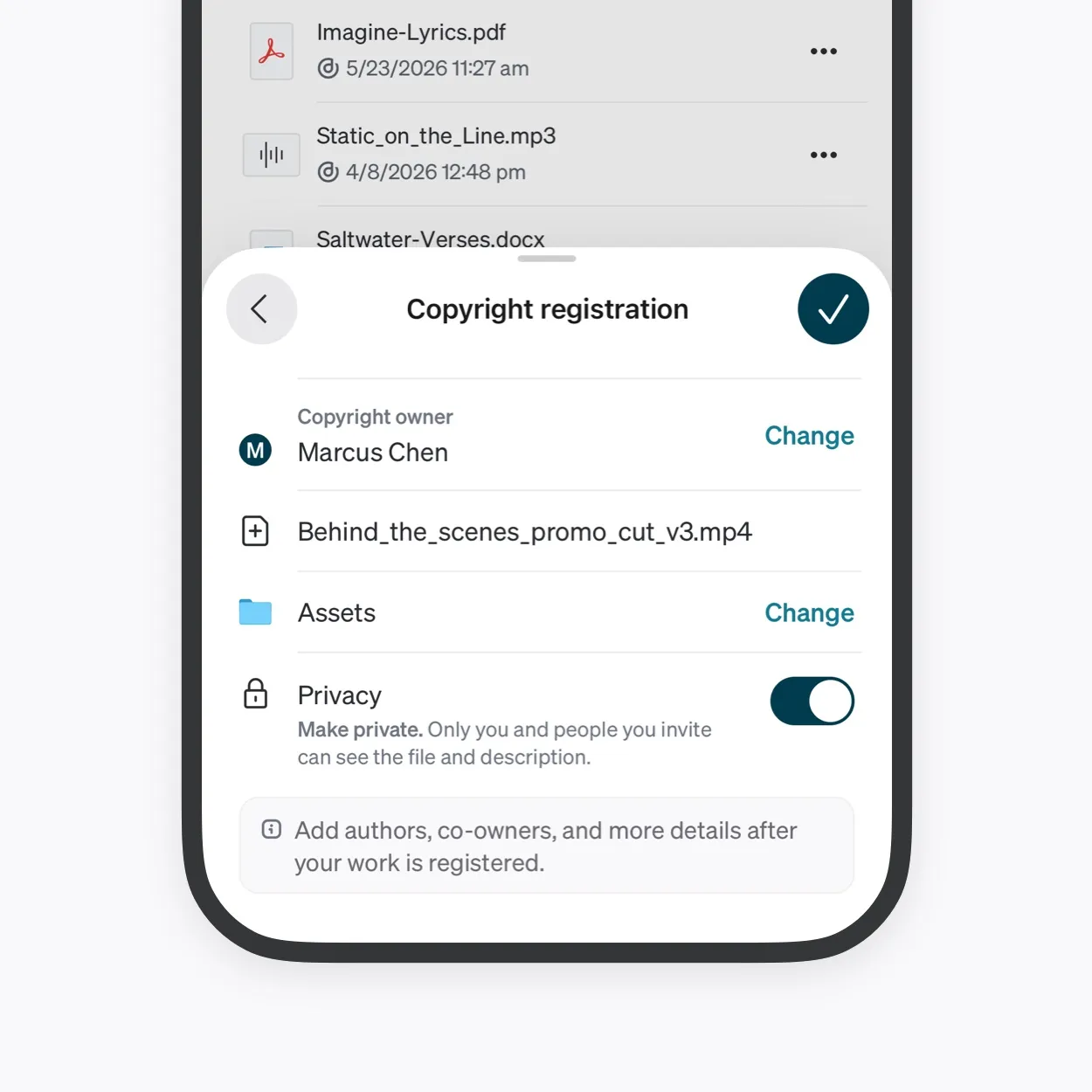
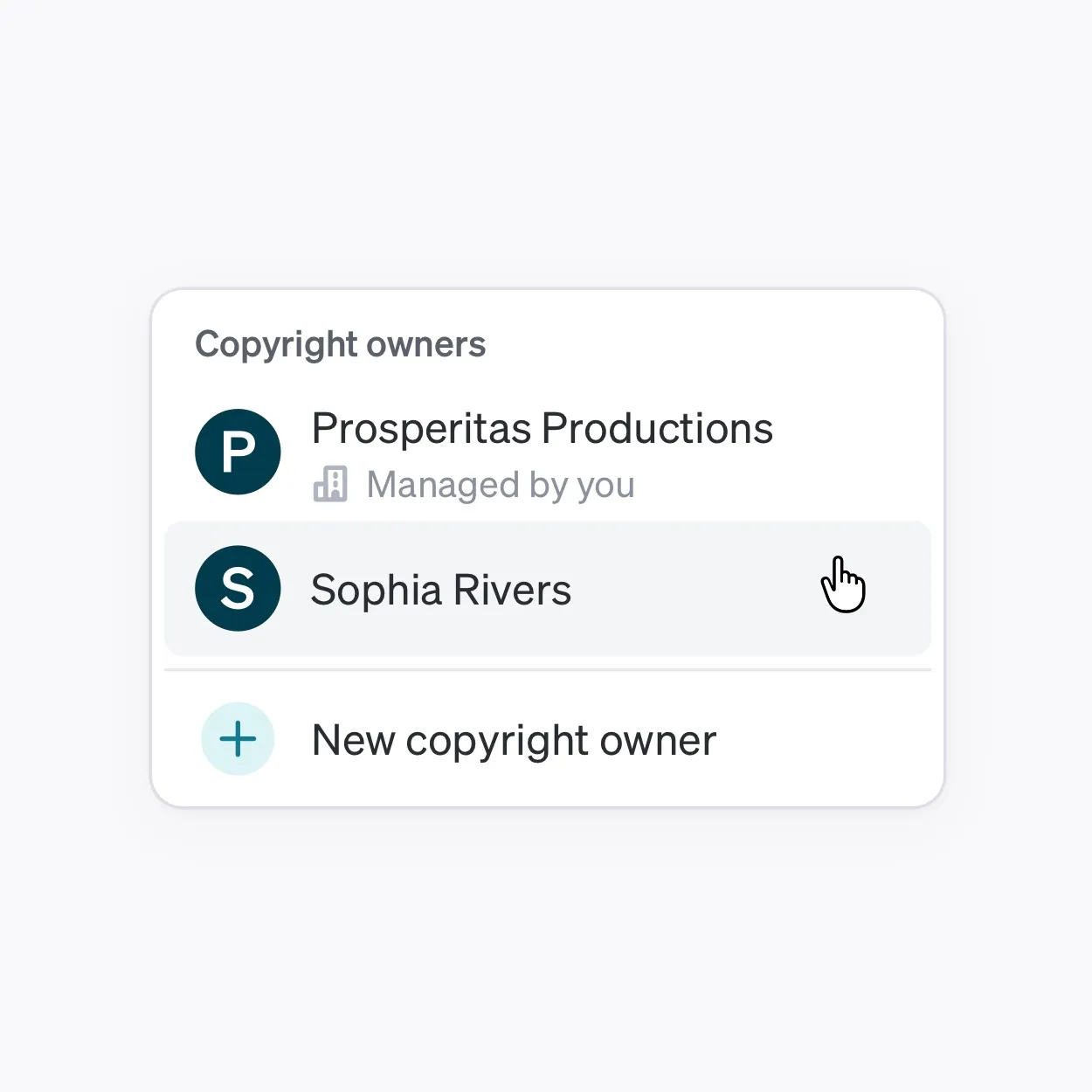
Register the session before anyone leaves, under whoever is clearly the principal owner, and bring the others in as ownership is agreed.
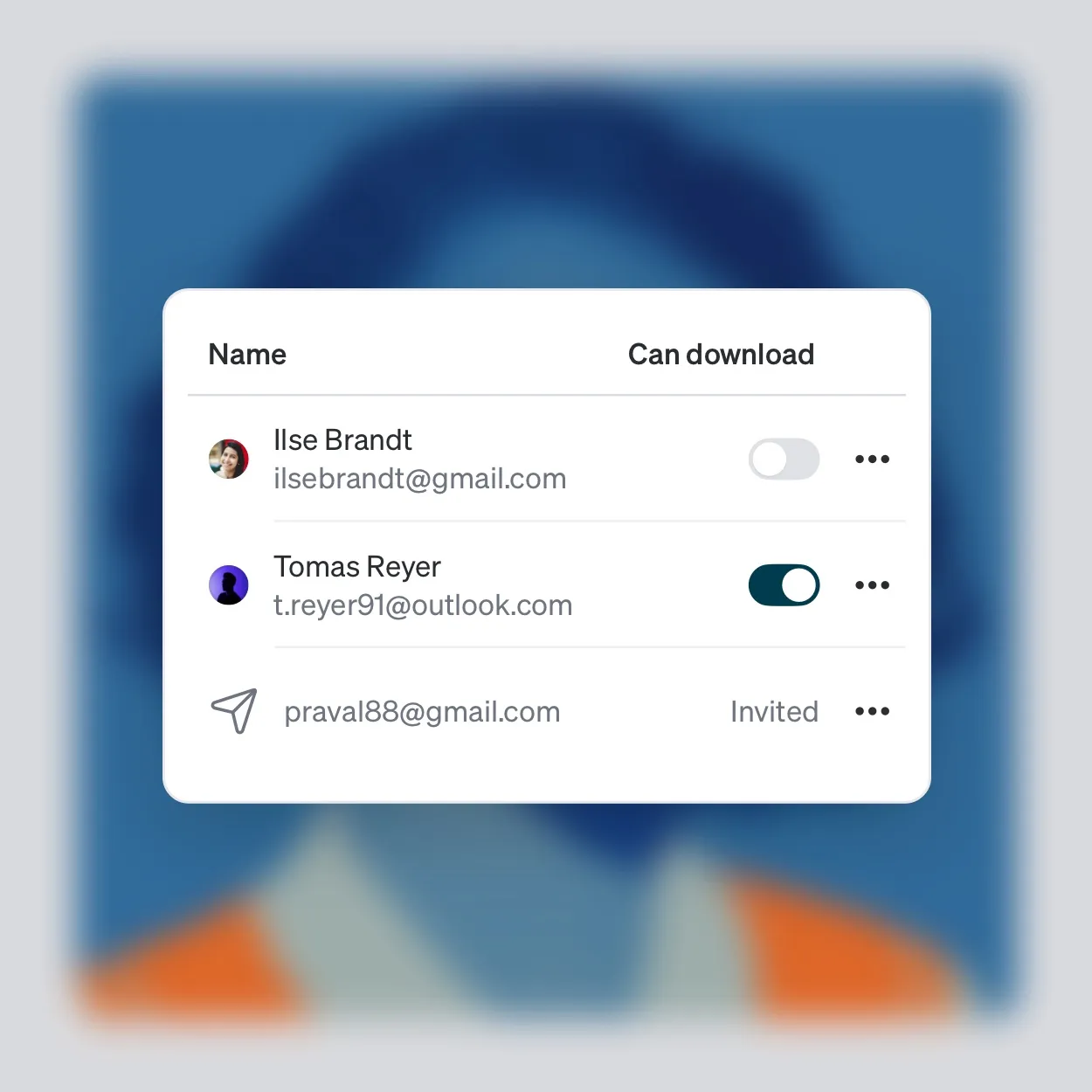
Co-owners and authors can be added or removed at any point. Neither list has to be right on the night, and a fifth person who turns out to have contributed the part everyone remembers can be added in a month without difficulty.
What can’t be revised is the registration date. The principal copyright owner can’t be edited either, changing it means selling or reassigning the registration, so it’s the one thing worth being certain about at the moment you register.
What the registration records, and what it doesn’t
This is worth being clear about, because it’s the most common misunderstanding about collaborative registration.
A registration records who owns the work and who authored it. It does not record shares. There’s no percentage field, so a registration listing two owners says they both own it, not that they own half each.
Your split agreement lives where it always lived: in a split sheet, in your agreements, and in whatever you file with a collection society. Dacr records the parties; the arithmetic between them is elsewhere.
That’s a feature rather than a gap, for the purpose this article is about. It means you can register accurately before the numbers are agreed, because the numbers were never going into the registration anyway.
Owner and author aren’t the same list
Ownership decides who holds rights. Authorship records who made it. A vocalist who wrote the topline is credited as an author whether or not she ends up owning anything, and an engineer who mixed it is credited without anyone suggesting he owns part of the master.
Article 6bis of the Berne Convention treats these as separate for the same reason: the right to claim authorship exists independently of the economic rights, and survives even after those rights are transferred. Recording credit accurately costs nobody any part of the ownership.
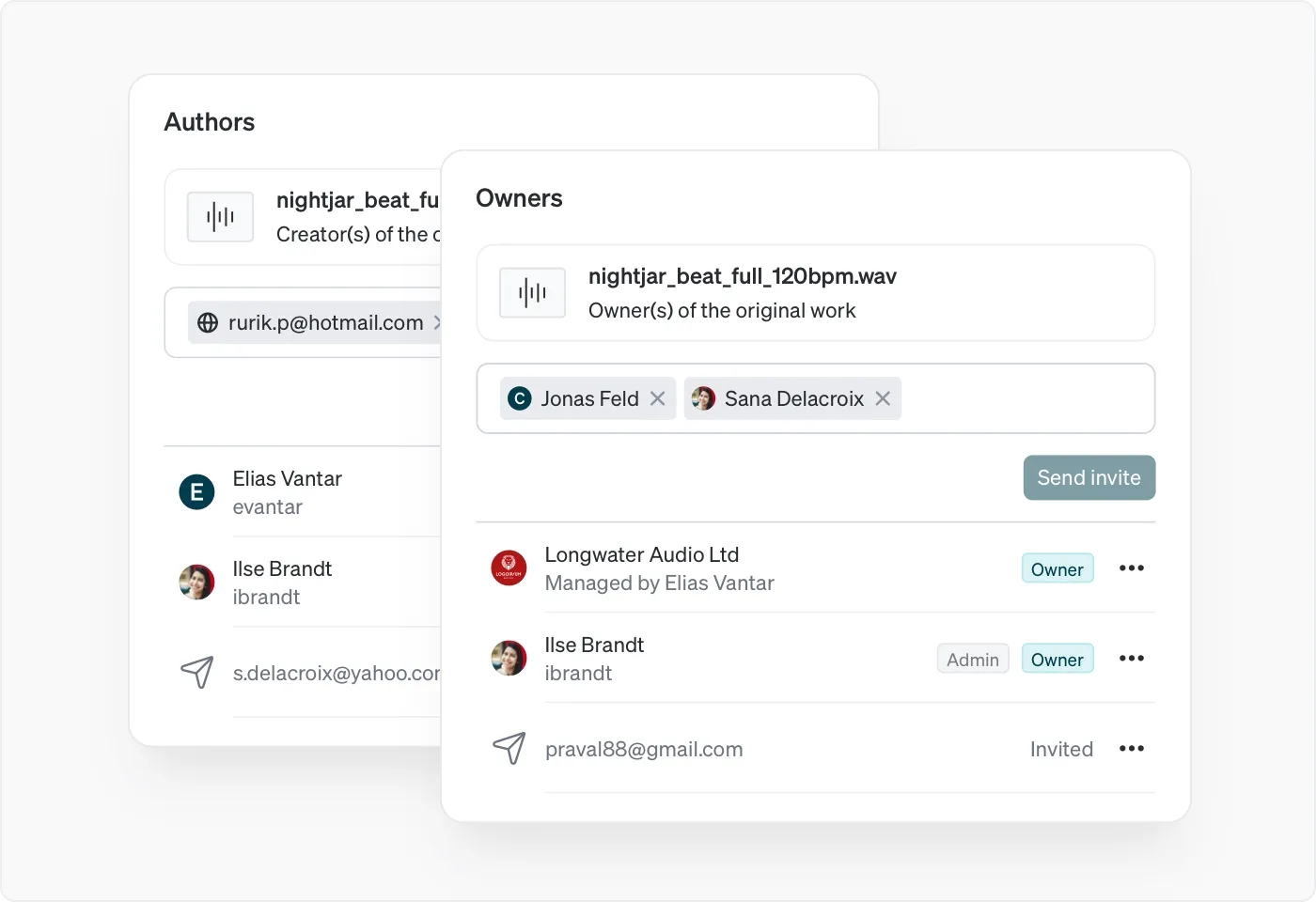
Keeping them separate lets you record the room accurately while the commercial arrangement stays open. It also takes some heat out of the ownership conversation, because credit stops being what’s under negotiation.
Being the one who raises it
Someone has to say “let’s register this before we lose track of it,” and in most collaborations nobody wants to, because it sounds like staking a claim.
It lands differently when it’s routine. A producer who registers every session, before anyone has discussed anything, isn’t making a move. They’re doing what they did last week. Standard practice is what takes the edge off it.
Where a contract already decided this
Some collaborations aren’t collaborations in ownership terms. If people were hired, or the work was commissioned under an agreement that transfers rights, ownership is settled by that agreement rather than by who was in the room.
Register under whichever owner the agreement names. If you’re not sure what yours says, that’s a question for a lawyer, and a better one to ask before the work has commercial value than after.