A headshot session is a small job with an unusually wide afterlife. Twelve retouched frames go to a client, and over the next four years they appear on a website, a conference badge, a press release, a recruitment campaign and a bus stop.
Some of that was agreed. Some of it was assumed by whoever inherited the folder from the person who commissioned you.
Register the selects, before they go
The take isn’t the work. Three hundred frames of someone blinking isn’t what anyone will use, reuse or argue about.
Register the retouched selects, the files you actually deliver. That is what exists in the world, what sits on the client’s drive, and what turns up somewhere unexpected.
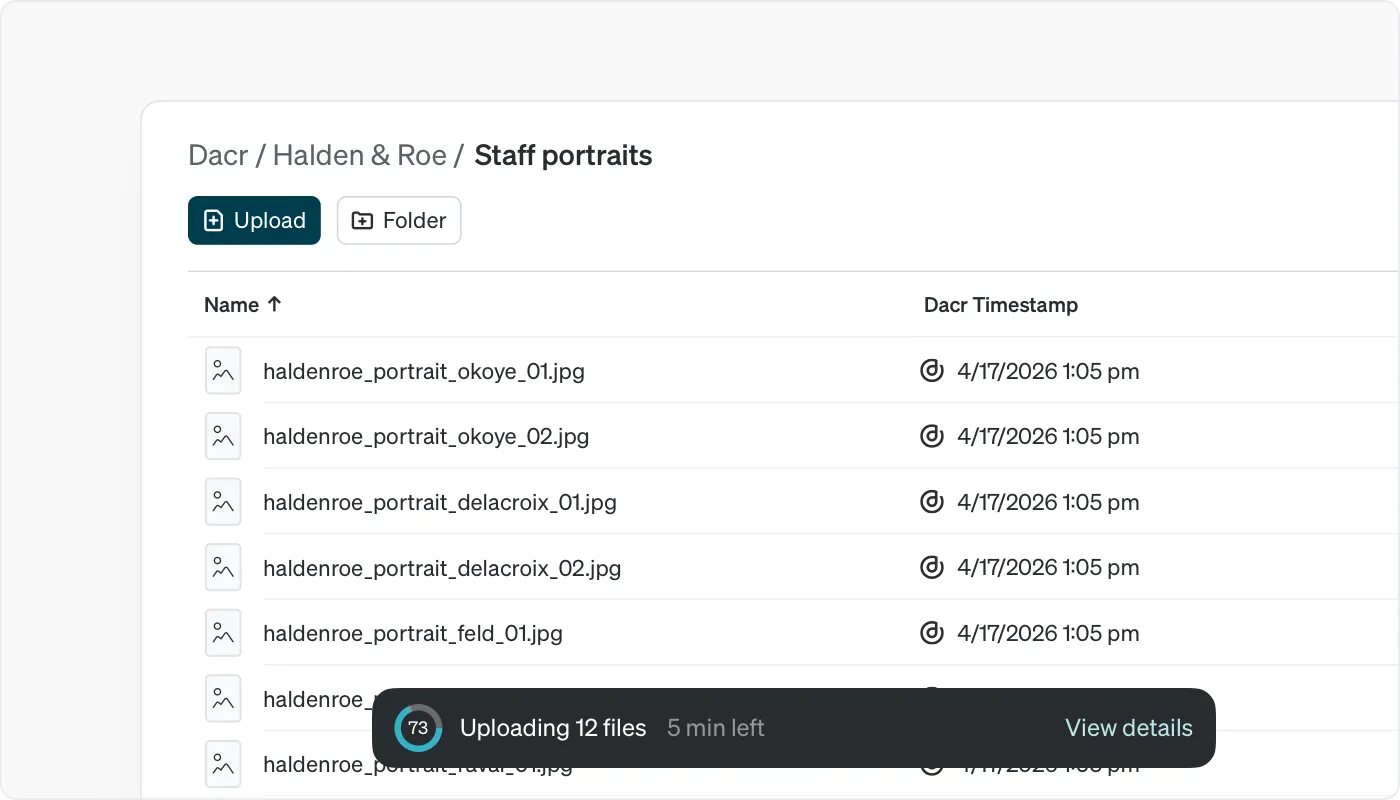
Do it before delivery rather than after. A record made beforehand describes the files as they left you, which is the useful thing to have if a cropped or re-retouched version appears later and you need to point at the original.
Name them for a stranger, because the name is permanent
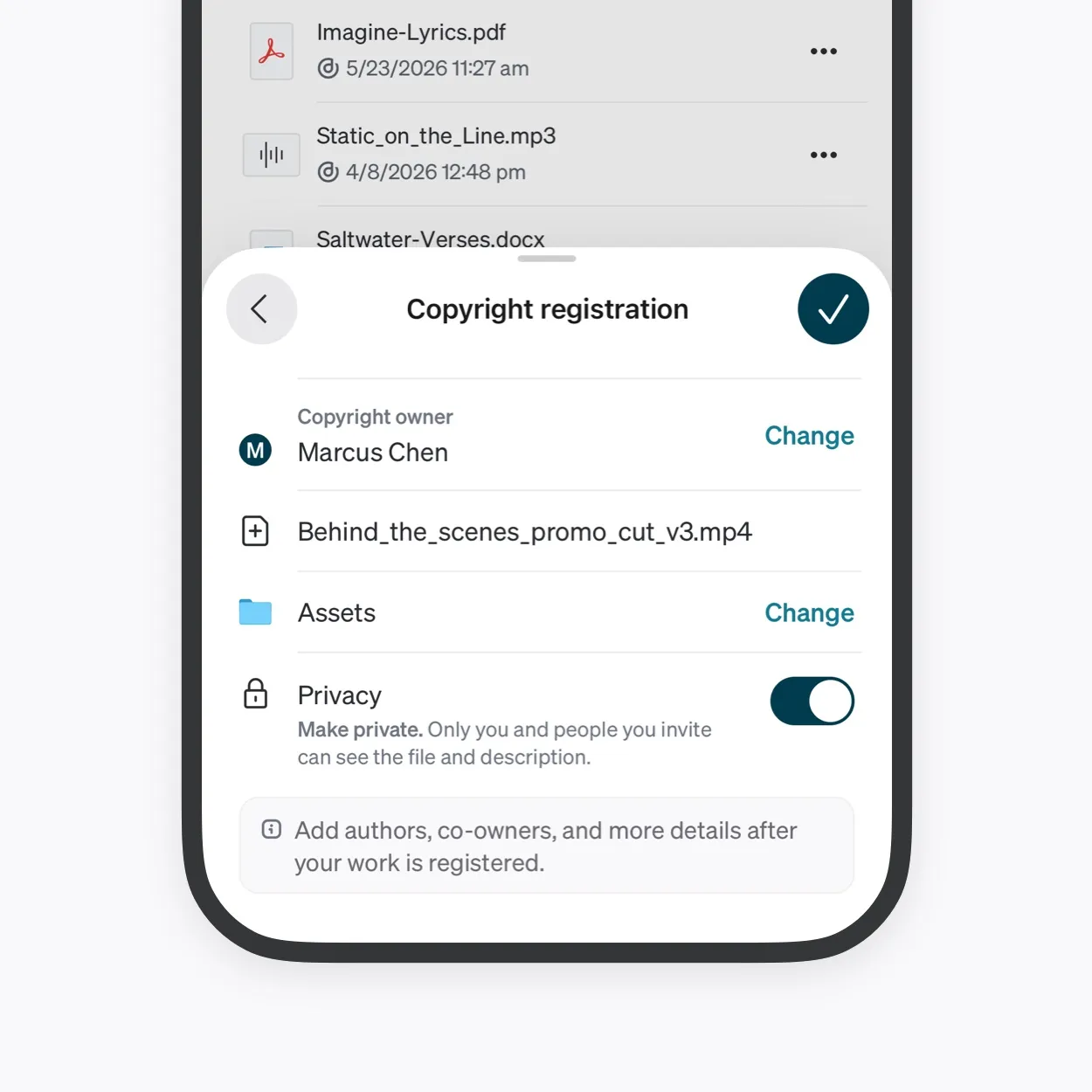
The filename you upload never changes and stays publicly visible on the registration. Whatever the file is called going in becomes the record’s starting title.
Headshots are where this bites hardest, because the natural naming is a sequence number and a date. Two years later, finding the frames you shot for one particular person at one particular company means opening files.
Subject, client and date at the point of export solves it, and takes a moment during a step you already do. The title can be edited afterward if you want to tidy the wording, but the filename underneath stays as delivered.
Show them the work before you hand it over
Proofing is where control gets given away early. A gallery link that allows downloads means the client has the full set before choosing anything, which is how unselected frames end up in circulation.
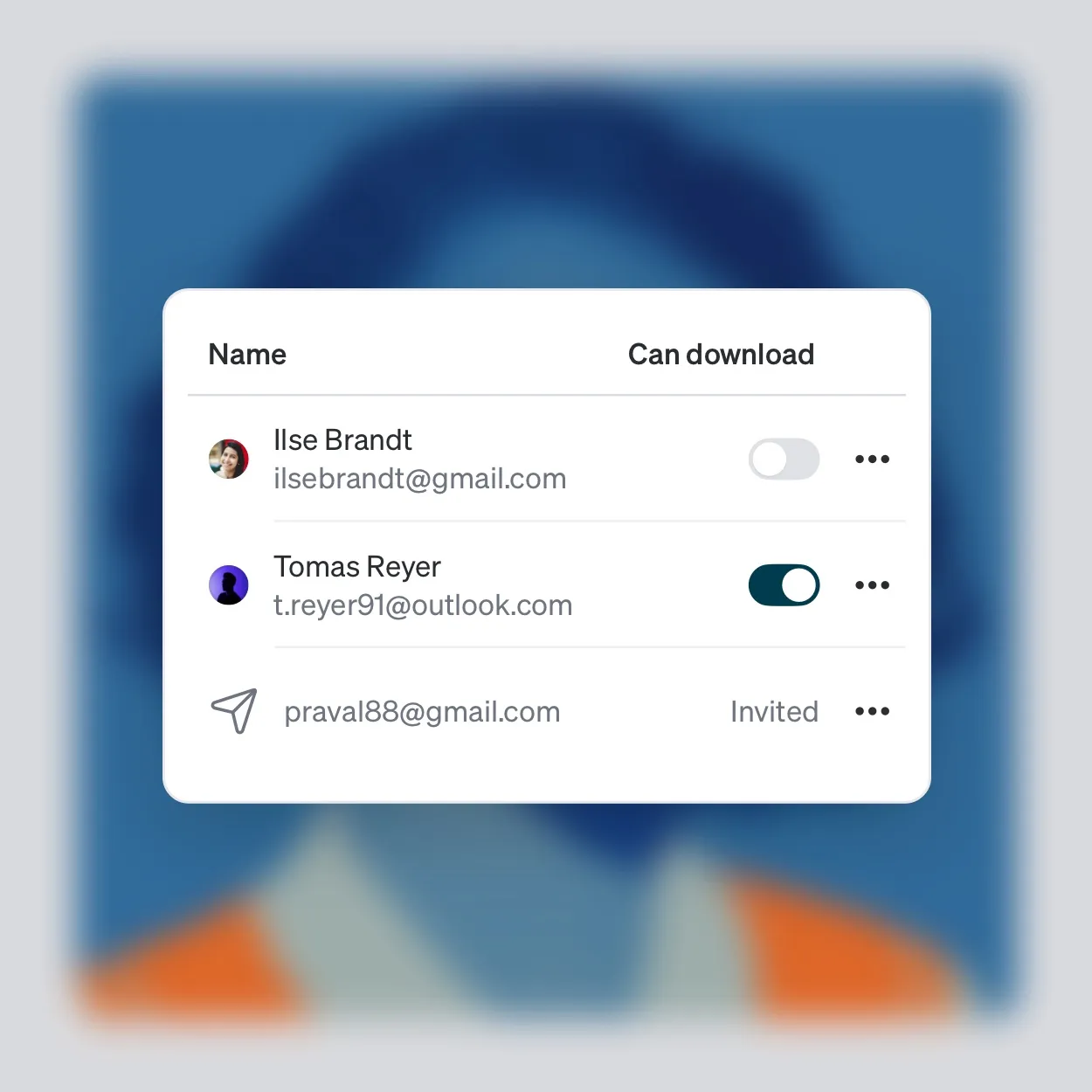
Invite them to the registration instead. Downloading starts switched off, so they can look at the retouched selects and come back with choices without receiving files. When they have chosen, turn downloading on for what they have bought.
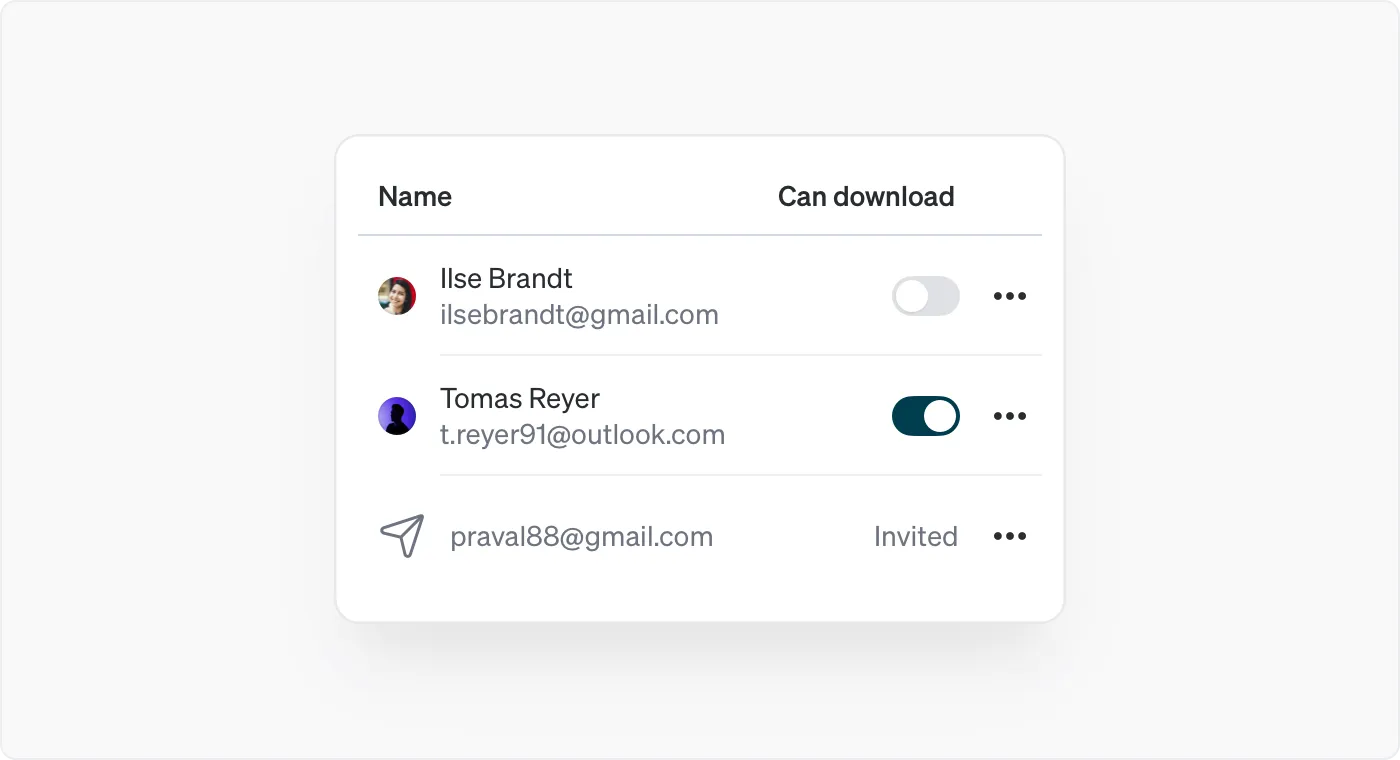
One thing to mention when you send it: an invitation to an email address requires them to create a Dacr account before they can see anything. Better said in your message than discovered by a client on a deadline.
Access can be withdrawn later and ends immediately when you do, which matters for the frames they didn’t select.
Corporate work is where usage quietly expands
An individual buying headshots for their own profile rarely causes a problem. A company commissioning forty staff portraits does, because the files enter a marketing system with no memory of what was agreed.
That is a contract question rather than a registration one, and the useful step is being specific in writing about what the fee covers: internal use, website, press, recruitment advertising, paid media. Each of those is a different thing and clients don’t naturally separate them.
What the registration contributes is the other half. When a portrait shot for an internal directory turns up in a paid campaign, you have a dated record of the file as delivered, and the conversation starts from what happened rather than from your recollection of a job from 2023.
Keep sessions private
Portrait work involves someone’s face and often their employer, neither of which belongs on a public record before anyone has approved anything.
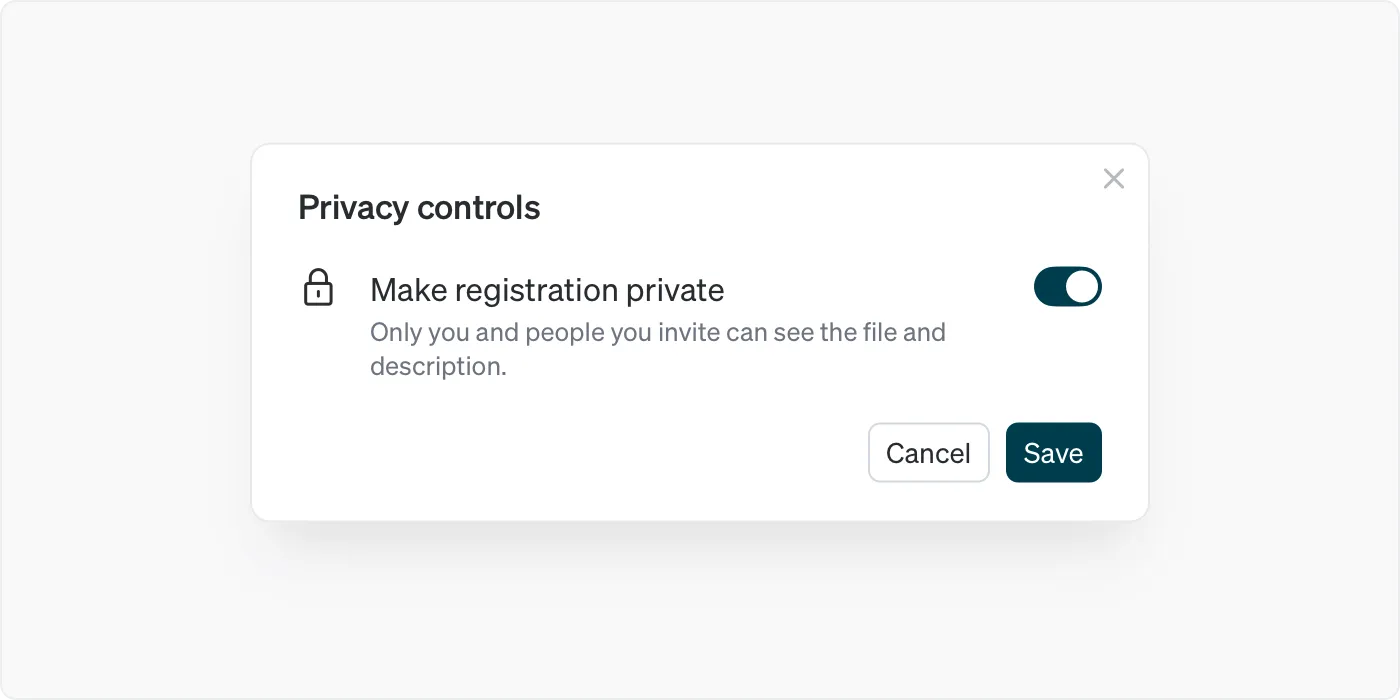
A private registration hides the images and the description. Ownership, authorship, the timestamp and the filename stay publicly verifiable, which is another reason to keep client names out of filenames for anything unannounced.
If most of your work is portraiture, setting your default file privacy to private means you aren’t deciding this per session at eleven at night.
Where it fits in the job
Between retouching and delivery. You have a folder of finished, named files at that point, which is everything registration needs.
Two minutes inside a step you’re already doing, and the record exists before the client does.