Why Regional Success Still Fails Too Many African Creators
Malawian works can reach regional audiences instantly. Rights information and payments often move through slower, fragmented channels. The next phase of copyright modernization must close that gap.
A song recorded in Blantyre can find an audience across the region almost immediately. By evening it may be playing in Lusaka; within days, a clip from a wedding or dance rehearsal may carry the chorus to Johannesburg and to Malawians living in the United Kingdom. The song crosses borders long before its creator sees any reliable record of where it has gone.
The royalty does not move with the same ease.
The creator may hear that the song is being played in another country long before any statement explains what happened there. By then, the use may have been reported through a broadcaster, platform, distributor or rights organization, each working from different information. The popularity is visible while the financial trail remains hidden. For creators from smaller markets, a missing or incorrect record can turn regional success into revenue that is delayed, disputed or disconnected from the person who made the work.
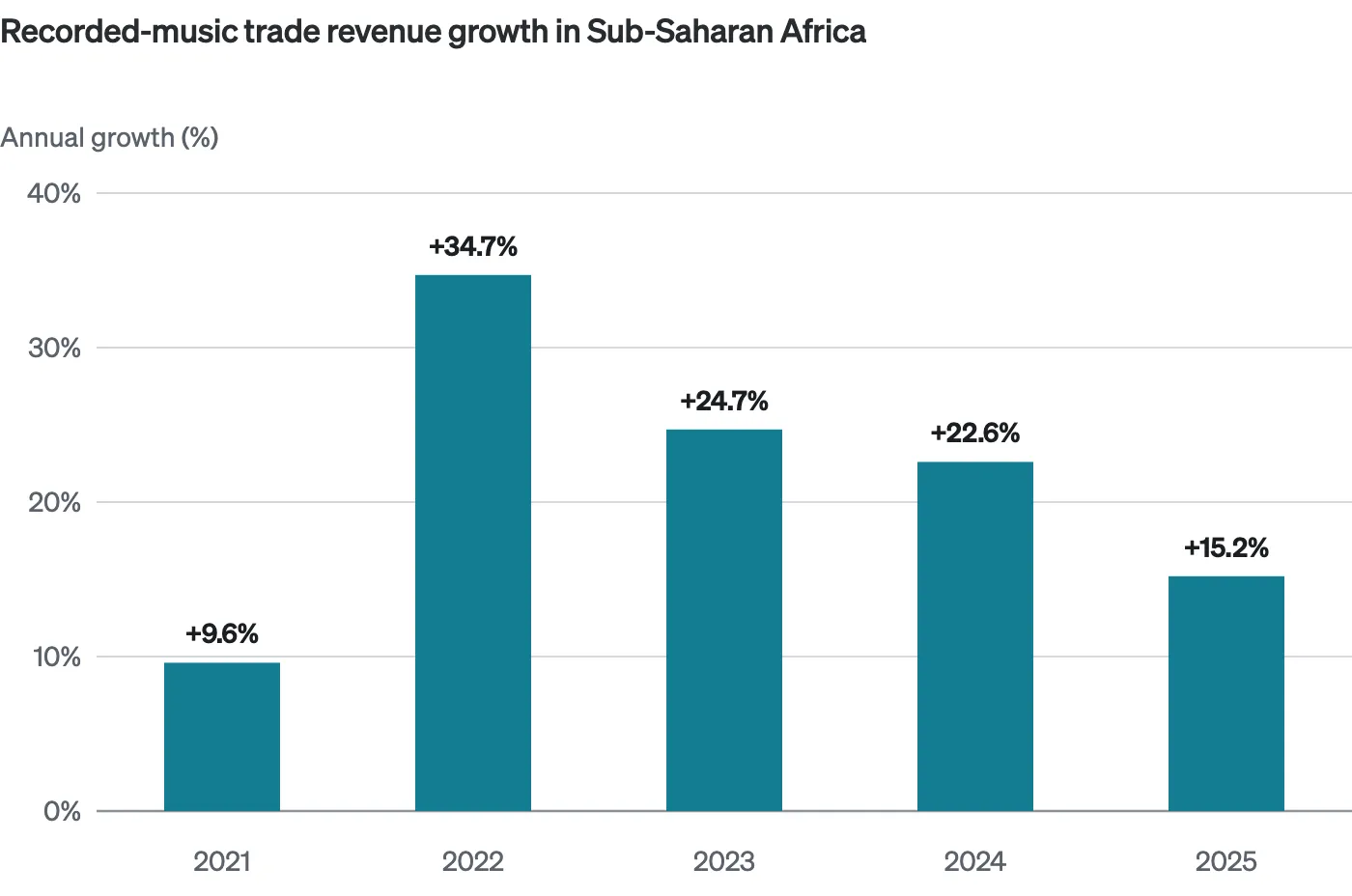
Often the first sign of an audience abroad is informal: a relative in the diaspora sends a clip from a radio show, or someone shares a video of the song playing during a cross-border journey. None of that movement waits for the rights information to catch up. By the time the creator realizes the work has travelled, the payment trail may already involve organizations and databases they have never encountered.
The missing part is the rights record
We celebrate when Malawian music, film, writing, and performance find audiences outside the country. That recognition matters. It expands culture, opportunity, and national pride. But a creative export should not be measured only by how far it travels. A work has completed its economic journey only when the legitimate rights holders can be identified and the lawful payment path reaches them. Visibility without a payment trail is not the full promise of the creative economy.
Regional circulation makes that trail harder to keep aligned. A broadcaster and a distributor may identify the same recording differently, while the artist’s stage name may not match the legal name attached to a rights account. If collaborators never documented their shares, a foreign user trying to license or report the work may not know which record to trust.
Every additional handoff creates another point where the creator can disappear.
A national registration should remain useful after a song crosses the border. The creator should not have to rebuild the work’s history in every territory where it gains value. Countries can retain their own copyright laws while participating systems recognize an authoritative foreign record as a reliable starting point for licensing, payment and enforcement.
Cross-border administration works only when the song and the people behind it can be verified from a record the receiving system understands. Without that, every payment becomes a search through incomplete databases and private contracts. The creator usually has the least leverage in that search: a global platform can absorb delay, a major catalog owner has staff, and an independent Malawian musician may have little more than a phone, a distributor account and the hope that someone entered the information correctly.
A smaller domestic market does not produce smaller rights. For many Malawian creators, the natural audience extends across southern Africa from the beginning, which makes regional recognition especially important. The rights record therefore needs to be designed for movement rather than treated as a file that matters only inside Malawi.
A regional payment problem needs a regional answer
Here is the principle the region should debate: commercial use across borders should not remain payable to an unidentified or unverified record when an official national registration exists.
Some participants will worry that verification could slow payments, especially for older catalogues that were never registered digitally or for rights that have changed hands over time. Those concerns call for a workable transition. Older catalogues need a path into the system, disputed income should be held while claims are resolved, and later transfers must be reflected without making registration inaccessible to small creators. Careful implementation is the better response.
The greater risk is continuing to pay from fragmented data while asking creators to trust that the money will eventually find them.
COSOMA already works where licensing, collective management, education and creator protection meet. Dacr represents a model of national copyright infrastructure. In jurisdictions where it is deployed, a creator can register a work and receive an official digital copyright certificate linked to the deposited file, its timestamp, metadata and the technical identifiers used to recognize the work later, including Genetic File Markers and fingerprints. That infrastructure does not displace collective management. It gives rights administrators a stronger record of the work and claimant to work from.
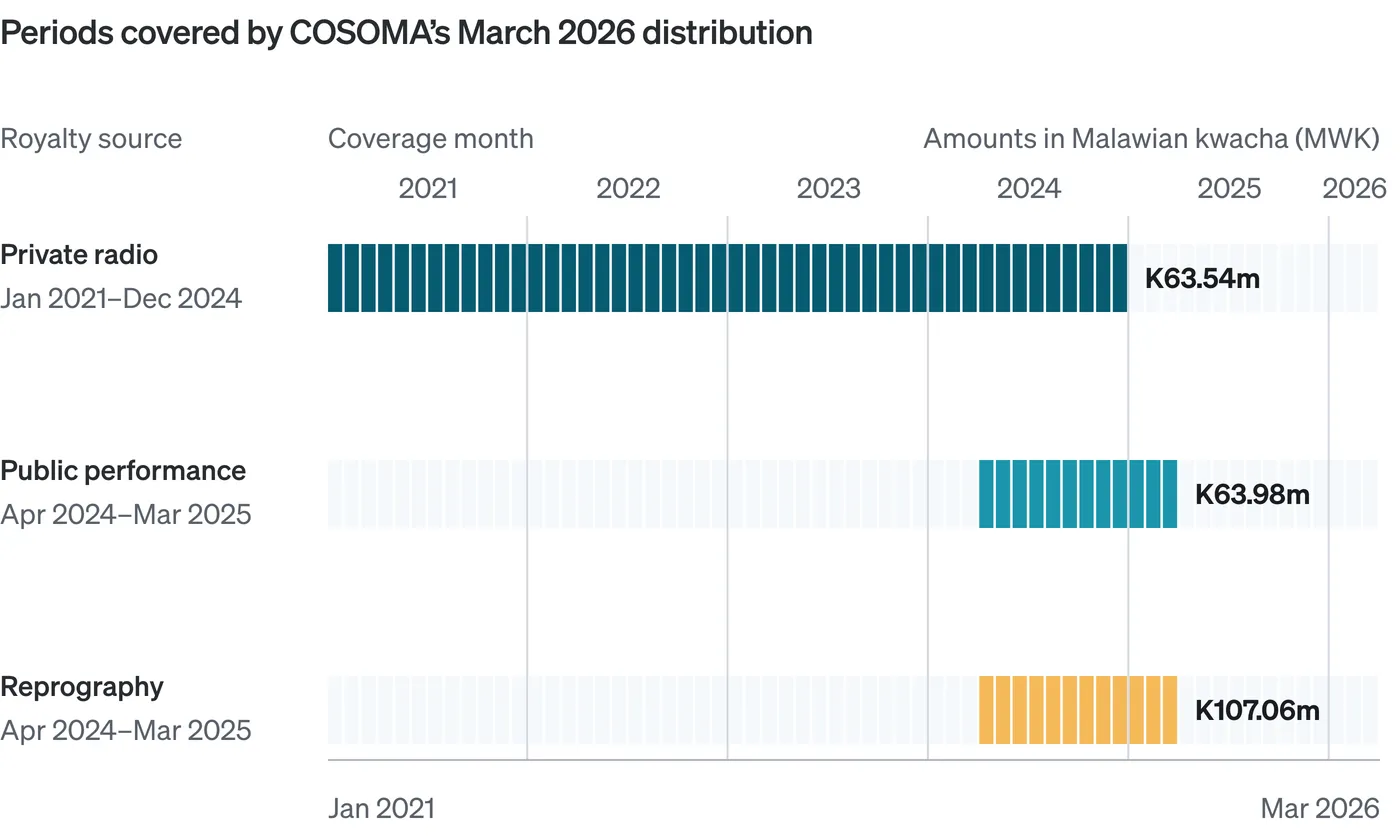
The public interest is served when those functions connect. A creator should not have to choose between registration and royalty administration. Registration should make royalty administration more accurate.
Collective management and official registration solve different parts of the problem. One administers uses and payments. The other establishes the authoritative record of the work and claimant. They become more useful when their information can be reconciled, rather than forcing the creator to repeat the same story in every system.
What COSOMA and stronger national records can do together
Southern Africa is already a creative market whether institutions treat it that way or not. Music crosses Malawi, Zambia, Zimbabwe, Mozambique, Tanzania, and South Africa through radio, performances, streaming, social media, and informal sharing. The region can continue allowing rights information to lag behind that movement, or it can build a recognition framework in which an official registration has practical meaning beyond the home country.
Dacr’s member-state model is designed to connect national systems through common infrastructure. In each participating country, registrations remain governed by national law while works can become eligible for recognition elsewhere in the network. The state retains its authority, and the creator gains a pathway that does not begin from zero every time the audience expands.
Creators sometimes treat metadata as an administrative detail to complete after release. In a digital market, it is part of the asset because the names attached to the work, the roles and shares, and the identifiers used by different systems determine whether the recording can be recognized and its value routed correctly.
Small inconsistencies can break the chain. The same song may be entered under two titles, or the artist’s stage name may not match the name on a rights account. A producer’s unwritten share can surface only after money arrives, while the distributor and broadcaster may use identifiers that do not communicate with each other. Registration cannot repair a careless agreement, but it creates a disciplined moment near release when the people behind the work can document what they have decided.
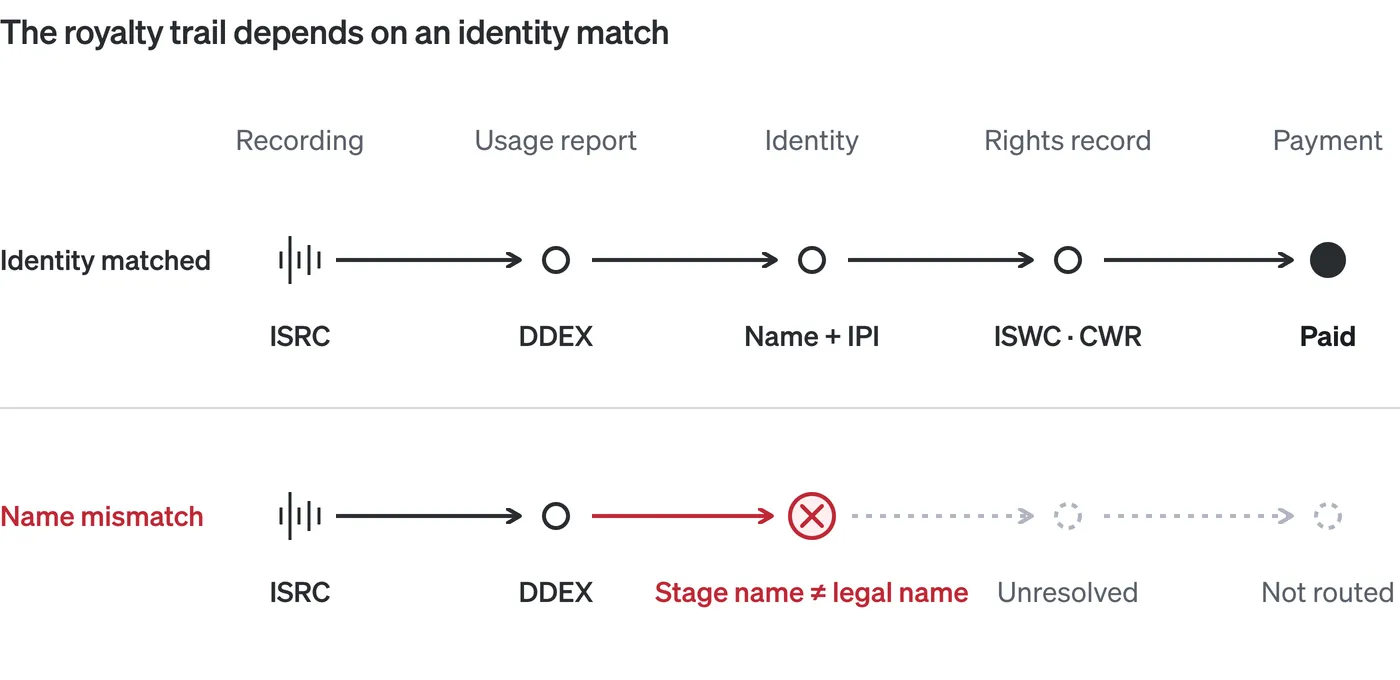
A work that crosses Africa overnight should not carry less information than a parcel sent across the same borders.
The song should not arrive alone
A royalty statement should let the creator understand the economic life of the work. It should show where the income came from, which rights were administered, how deductions were applied and why any amount was held or reduced. Without that explanation, even a correct payment can leave the creator feeling shut out.
Not every creator will agree with every outcome. Transparency does not guarantee satisfaction, but it creates the possibility of an informed question and a correctable error. Responsibility for that clarity is shared. National institutions can set standards for the information that commercial partners and rights administrators preserve, while platforms can improve reporting by consulting official records. Creators also strengthen their own position when they register early and put collaboration agreements in writing. The payment chain becomes more trustworthy when each participant treats information as part of the creator’s right to understand the work’s economic life.
A regional standard worth adopting
Governments, copyright societies and regional bodies across Africa should adopt a shared operational principle: when a creative work is used commercially across a border, payment should be tied to a verified and identifiable rights record. That doesn’t require every country to use the same law or surrender control of its own institutions. It requires those institutions to preserve compatible information and to recognize a reliable record when a work arrives from elsewhere.
Dacr is particularly well suited to that challenge. Its technology identifies the content of a work rather than depending on a filename or editable metadata. The system’s digital genome and content-based fingerprints can help recognize a song after it has been renamed, reformatted or distributed through a different system, while Dacr’s member-state model is built around recognition between national copyright frameworks. Used properly, that infrastructure could give copyright societies, platforms and public authorities a common reference point without displacing their existing legal mandates.
Regional institutions and national copyright authorities should begin this work now. A practical first step would be a working group of copyright authorities, collective management organizations and major commercial platforms charged with defining the minimum rights data and verification standard for cross-border payment. The test is simple: when a Malawian work is used commercially elsewhere, can the system identify the work, verify the rights record and route the payment without forcing the creator to reconstruct the claim from the beginning?
Africa’s creative economy already operates across borders. Its rights and payment infrastructure now needs to operate with the same reach.