Concept art circulates in a particular way. A portfolio goes to an art director, who shares it with a producer, who drops it in a channel, and within a week your images are on internal drives at a company you have no relationship with.
Every step of that is normal and nobody is doing anything wrong. It’s also how a design ends up in a pitch bible with nobody able to say where it came from.
Register the set you’re sending
The work that gets reused isn’t always the piece you’re proudest of. It’s the one that solved a problem someone had. A creature silhouette, an environment, a prop that fits a brief you knew nothing about.
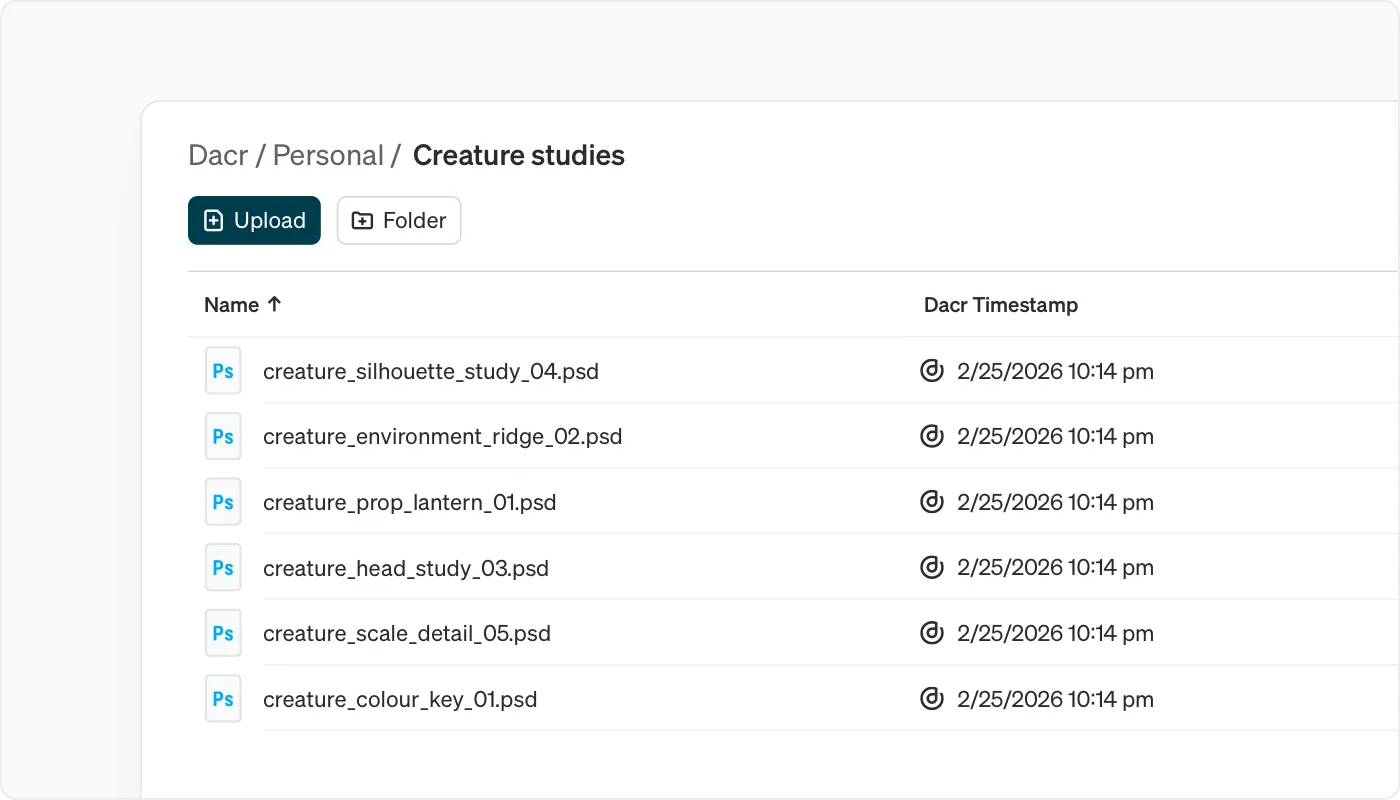
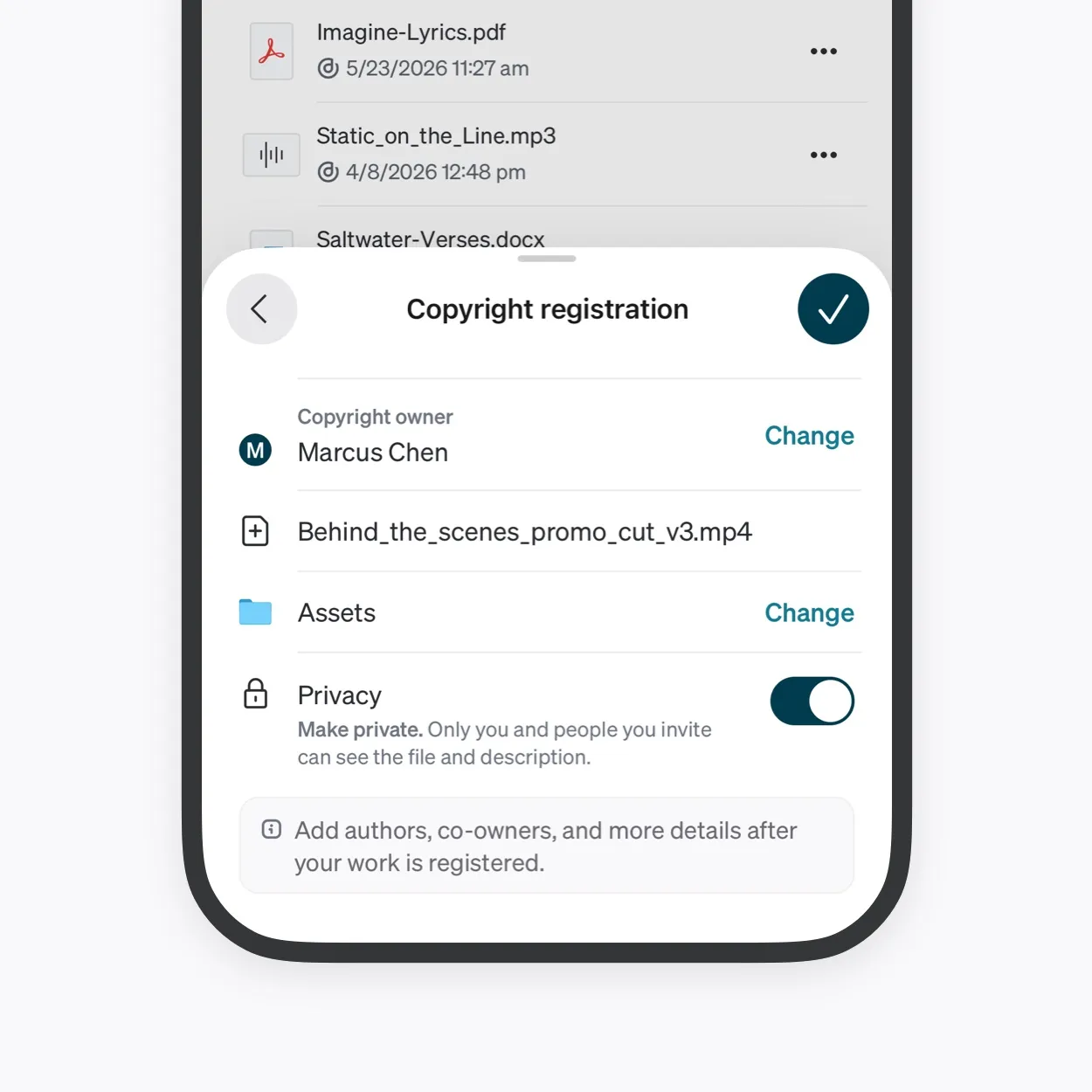
Register the set before it goes out. Each piece becomes its own registration, so choose what you’re actually sending rather than uploading a portfolio wholesale. Name the files properly first. The filename is permanent and stays publicly visible, and it becomes the record’s starting title.
Send a link before you send files
Every registration has a public page whose link shows the work is yours while the images stay private. For a first approach that’s often enough, and it means nothing is sitting in an inbox that gets forwarded.
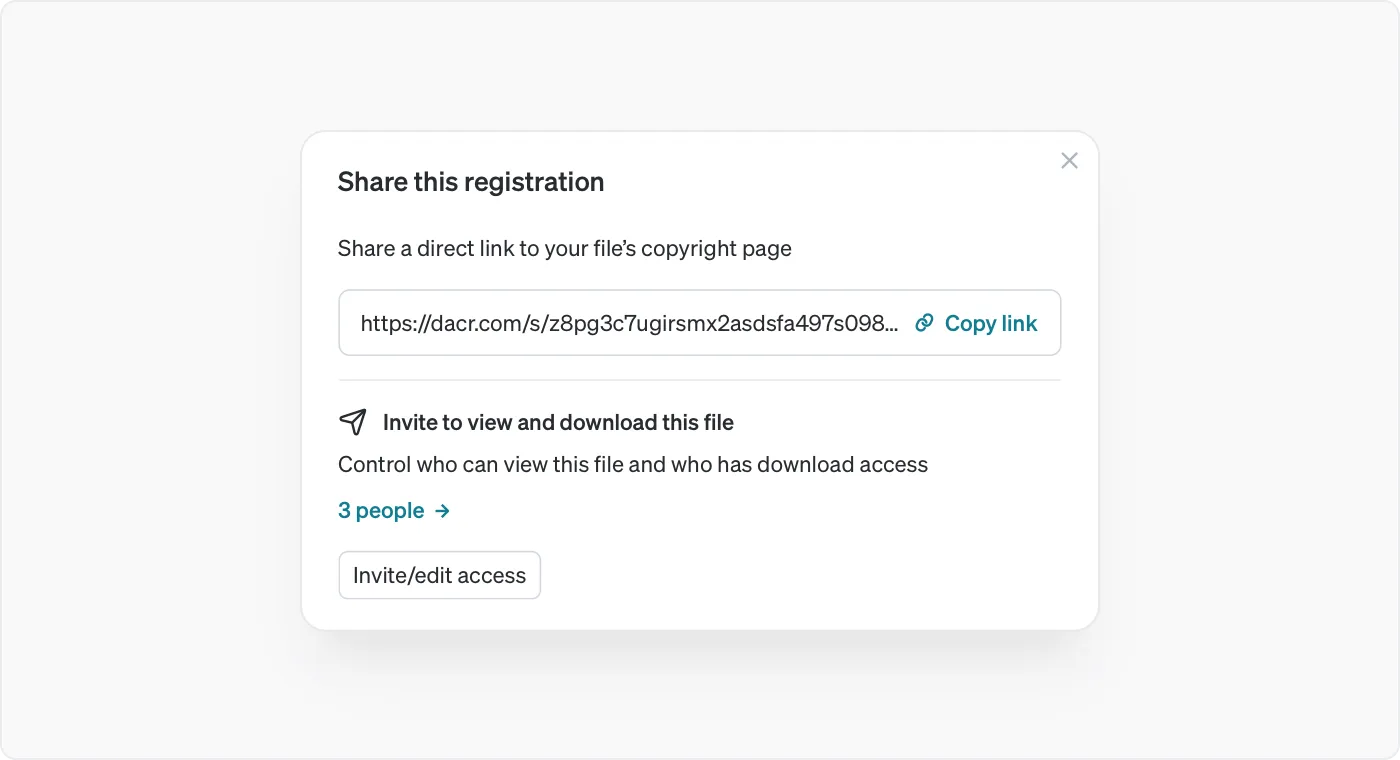
The link itself is forwardable, it’s the registration’s address, not a token you can revoke, so use it to establish ownership rather than to control who looks.
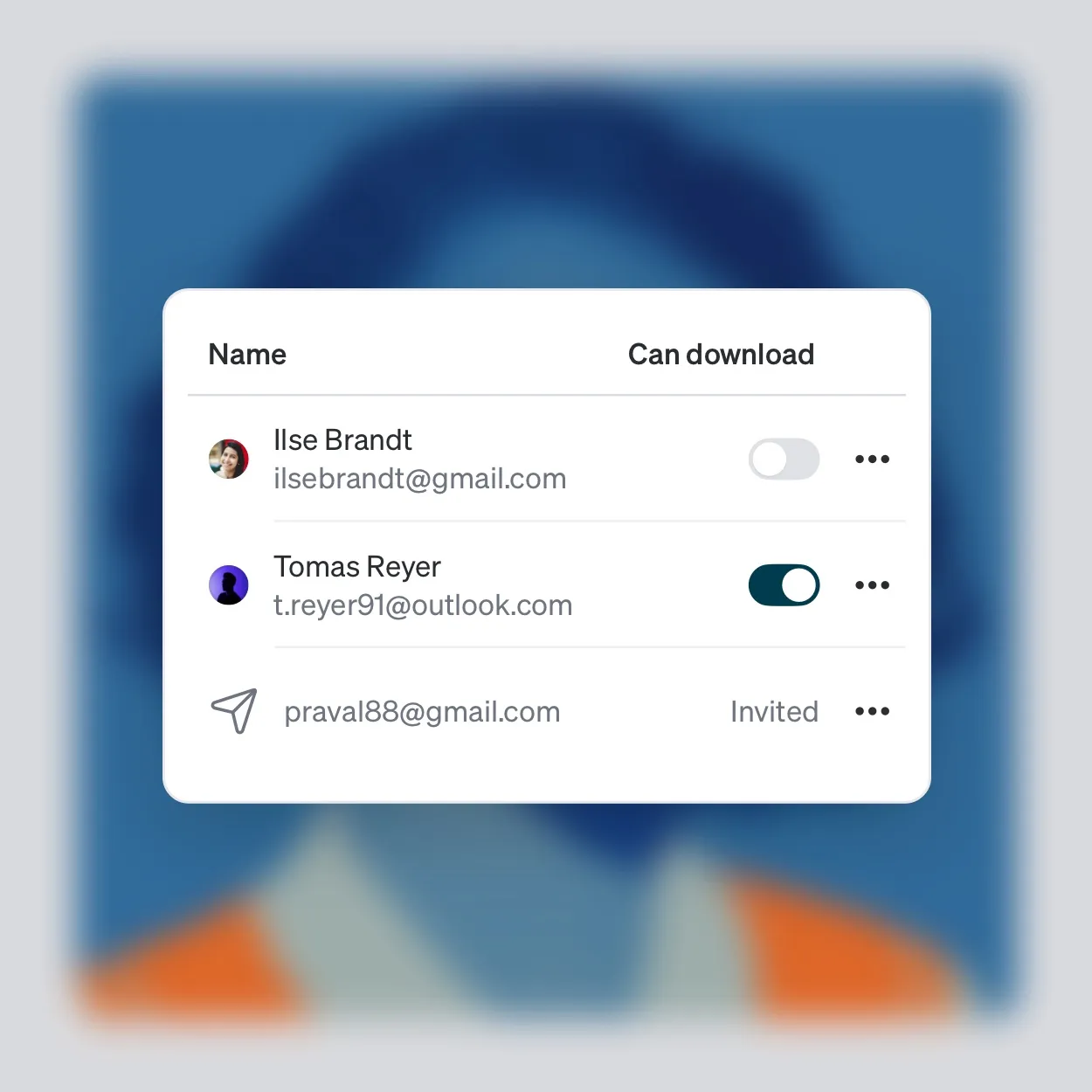
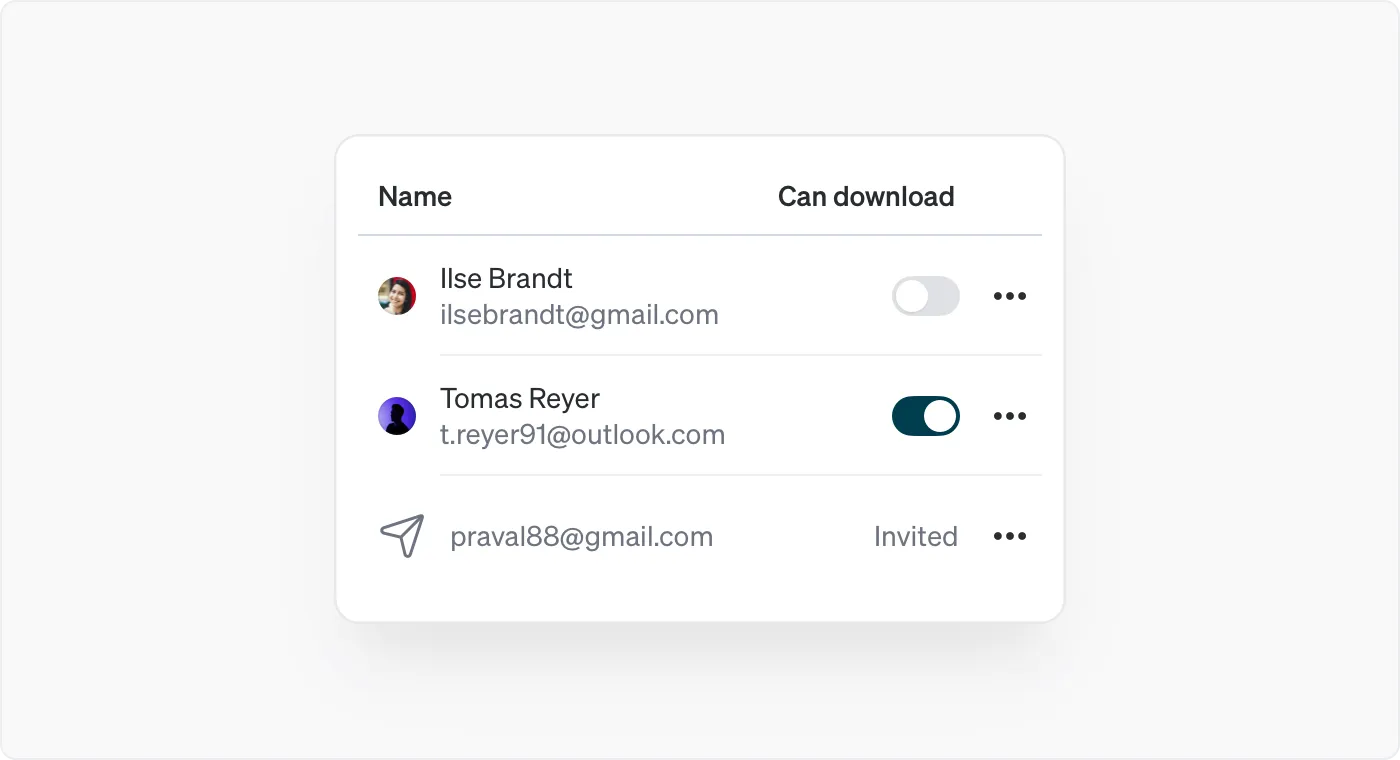
When they want to look properly, invite them instead of attaching a folder. Downloading starts off, so they can view without taking copies, and access ends immediately if you withdraw it.
Speculative work and commissioned work aren’t the same
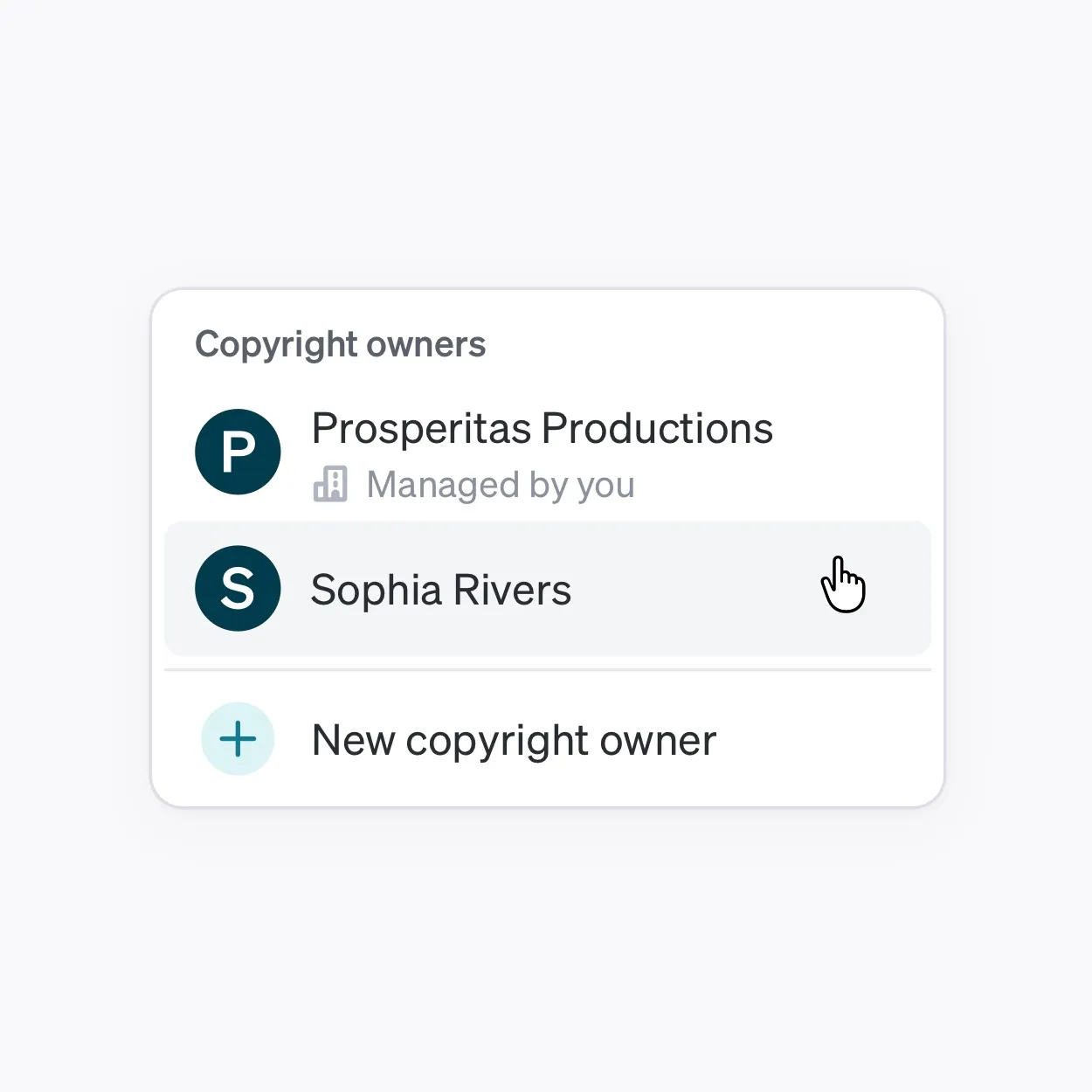
Work you made on your own initiative is yours, and registering it under your personal owner is straightforward.
Work made under a studio contract usually isn’t, and the agreement says who owns it. Register commissioned concept work under whichever owner the contract names. Registering work you don’t own as though you do produces a record that contradicts your own contract.
Portfolio pieces you don’t own
Most concept artists show work they were paid for and don’t own. That’s a permissions question with the studio rather than a registration question.
Keep your own speculative work registered and clearly separated from client work in your folder structure. When someone asks what you own, the answer should be visible from your catalog rather than reconstructed.
If a design turns up in production
Get the actual asset where you can, find your registration, and compare them before contacting anyone.
Studios have legal teams and processes. A first email sent from certainty rather than documentation tends not to go well.