Departure conversations cover the handover, the passwords, and the client list. What you made while you were there usually doesn’t come up until you want to use it, in a portfolio, in a pitch, or in work that borrows from something you did in 2022.
The answer is mostly in your contract, and reading it during your notice period is considerably easier than reading it afterward.
Find out what exists and whose name it’s under
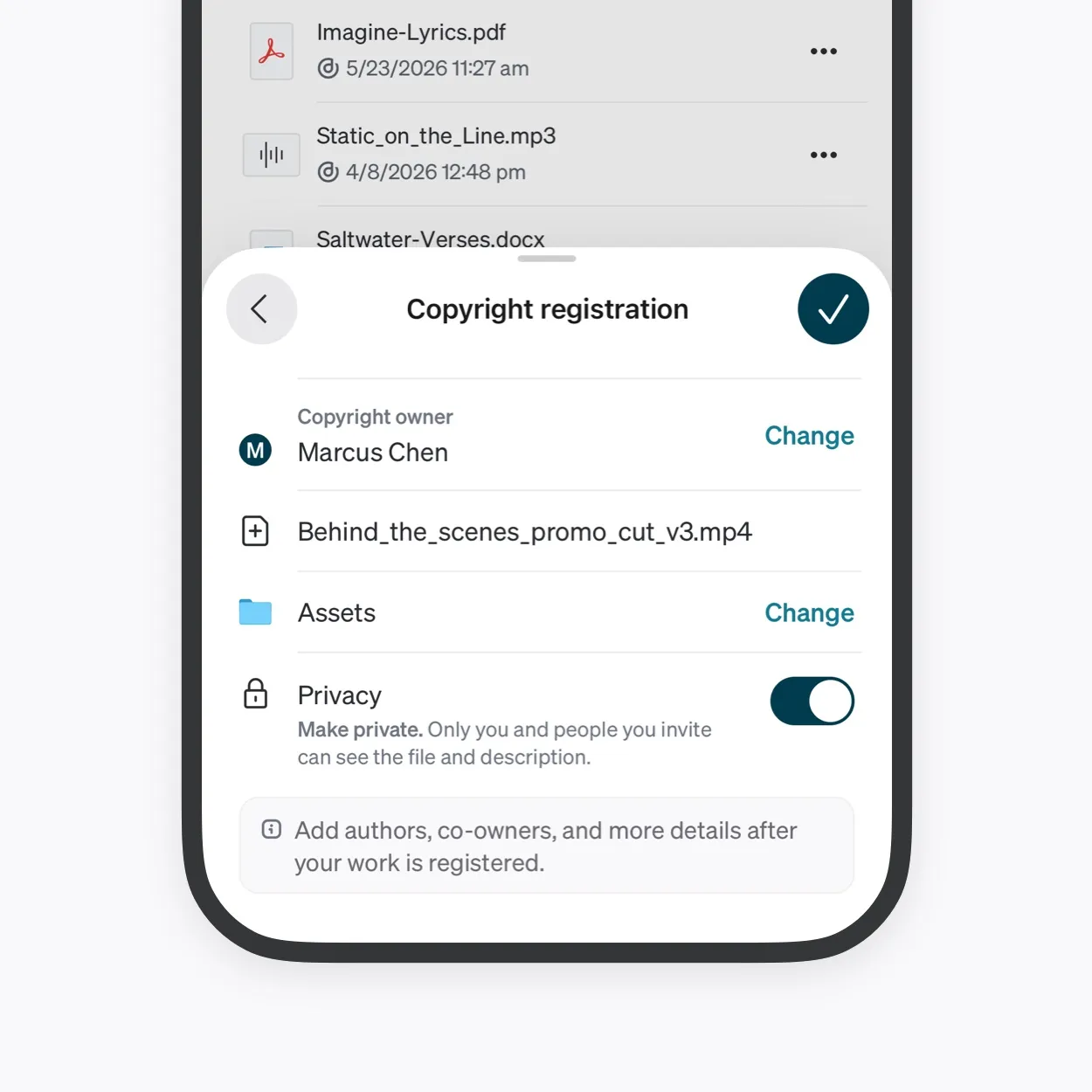
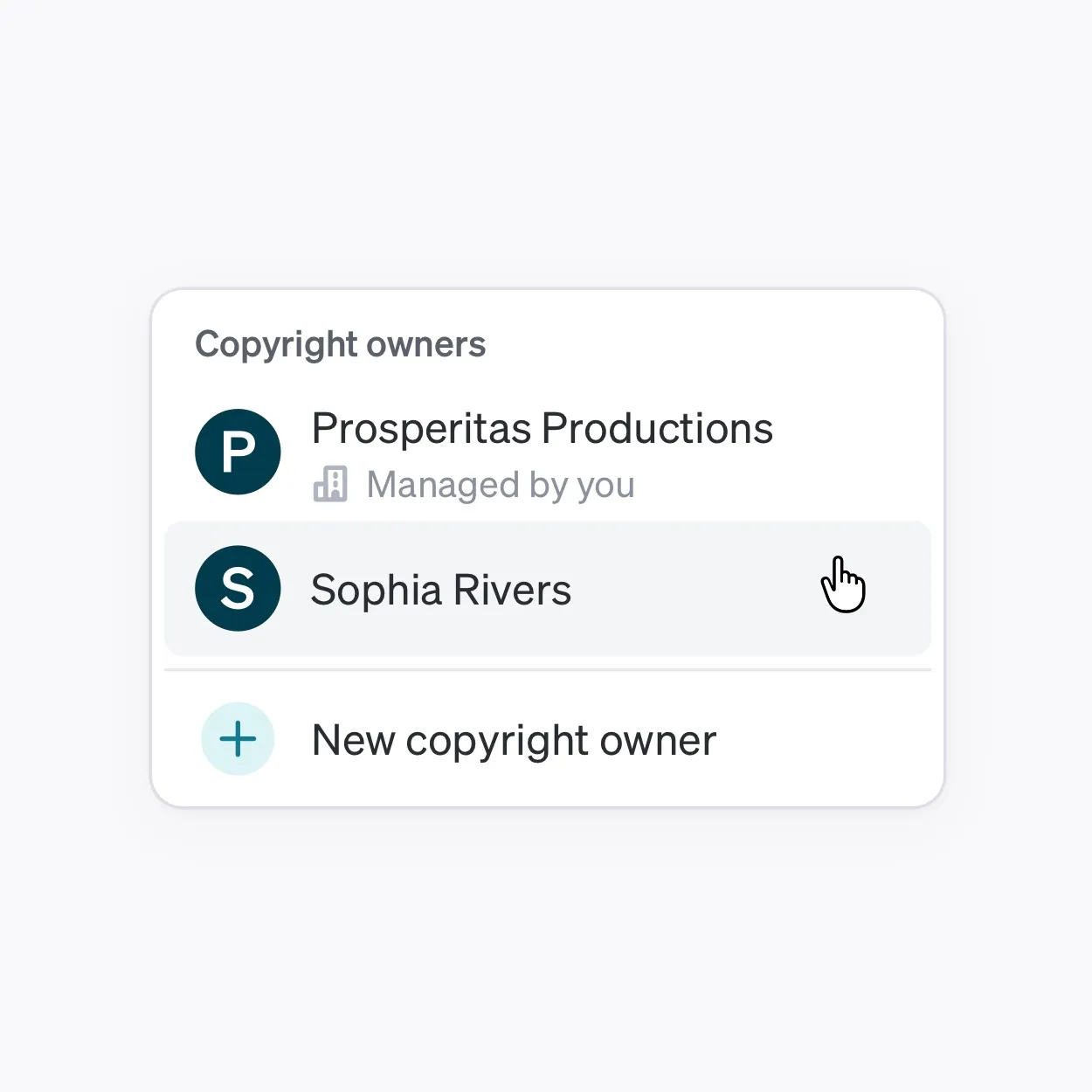
If the organization registered work you made, those registrations sit under an organization owner. That’s the organization’s record, and leaving doesn’t change it.
If you registered your own work under a personal owner, that’s separate and stays with you. Check rather than assume, particularly if you set registration up for the team and weren’t watching which owner was selected each time.
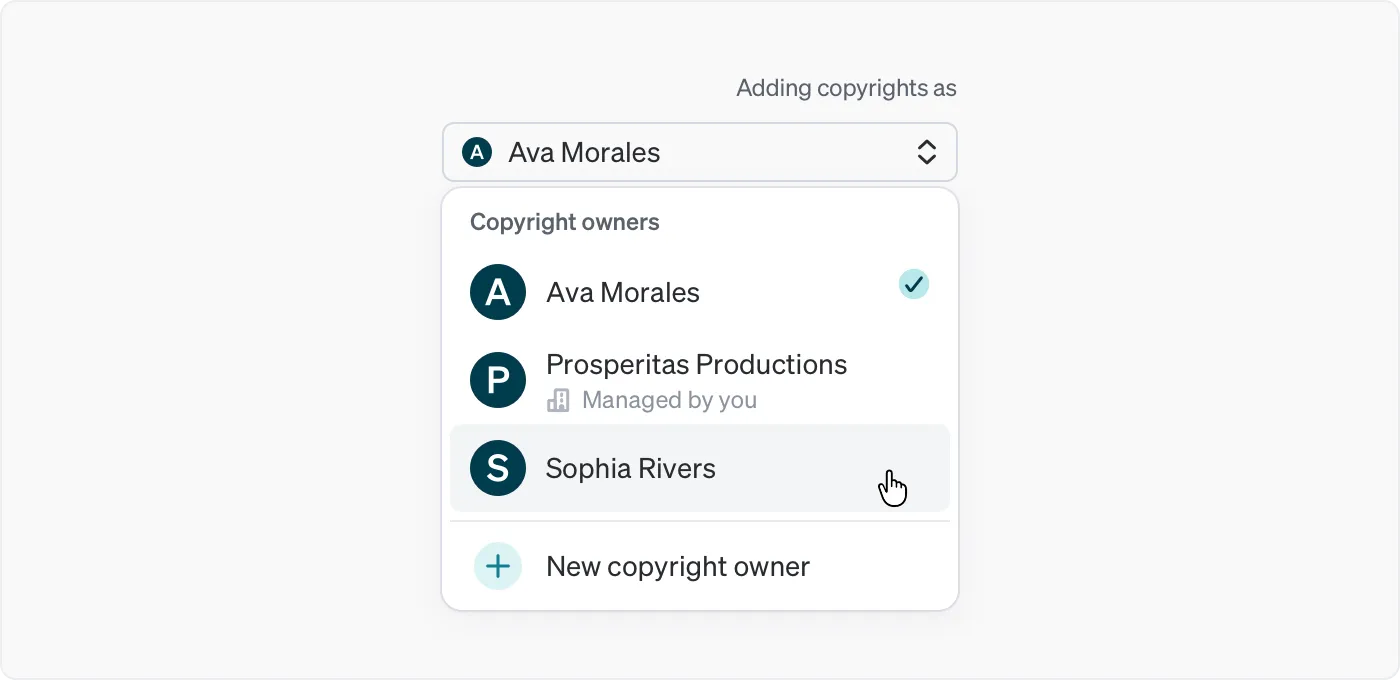
The principal owner on a registration can’t be edited. Moving it means selling or reassigning the registration itself, so a registration made under the company doesn’t quietly become yours after the fact, however clear the understanding was.
Raise it while people still answer your emails
If something registered under the company was genuinely yours under your contract, reassigning it is a conversation to have during your notice period rather than a year later. It needs someone still there who is willing to act on it.
Better still, register work that is genuinely yours under your own owner as you go, rather than assuming it can be sorted out at the end.
Portfolio rights aren’t ownership
Most departures end with an informal understanding that you can show the work. That’s about credit and promotion, and it rarely amounts to owning anything.
Get it in writing, because informal understandings depend on the person who gave them still being there. Ask what you can show, in what context, and whether client confidentiality restricts any of it. A short confirming email is worth the awkwardness.
Do the inventory before your access ends
The practical failure at departure isn’t legal. It’s that six months later you can’t remember what you worked on, can’t get into the drive, and can’t demonstrate involvement in the project that’s now the strongest thing you’d want to show.
While you still have access: list what you worked on and what your role was, note which registrations relate to it, and keep dated evidence of involvement, briefs, delivery emails, credits.
If your own work is registered under your personal owner and filed sensibly, this part is already done. Which is an argument for keeping your own catalog in order regardless of who you’re working for.
Where it’s genuinely contested
Employment status changes the analysis, and so does jurisdiction. If a real dispute is developing over something valuable, that’s a lawyer’s question rather than an article’s.
Bring your contract, your inventory, and whatever registrations exist. The conversation moves considerably faster when the facts are already assembled.