A body of work assembled over four years isn’t the same object as the pictures in it. The edit is a decision. So is the sequence, the pairing across a spread, the image you left out that everyone told you to include.
Which raises a question that doesn’t come up in commissioned work: when you register, are you registering eighty photographs or one book?
Both, and they answer different questions
Individual images have their own lives. One frame from a series gets licensed to a magazine, printed for an exhibition, bought by a collector, or turns up on someone’s feed with the credit removed. That happens to the image, not to the book.
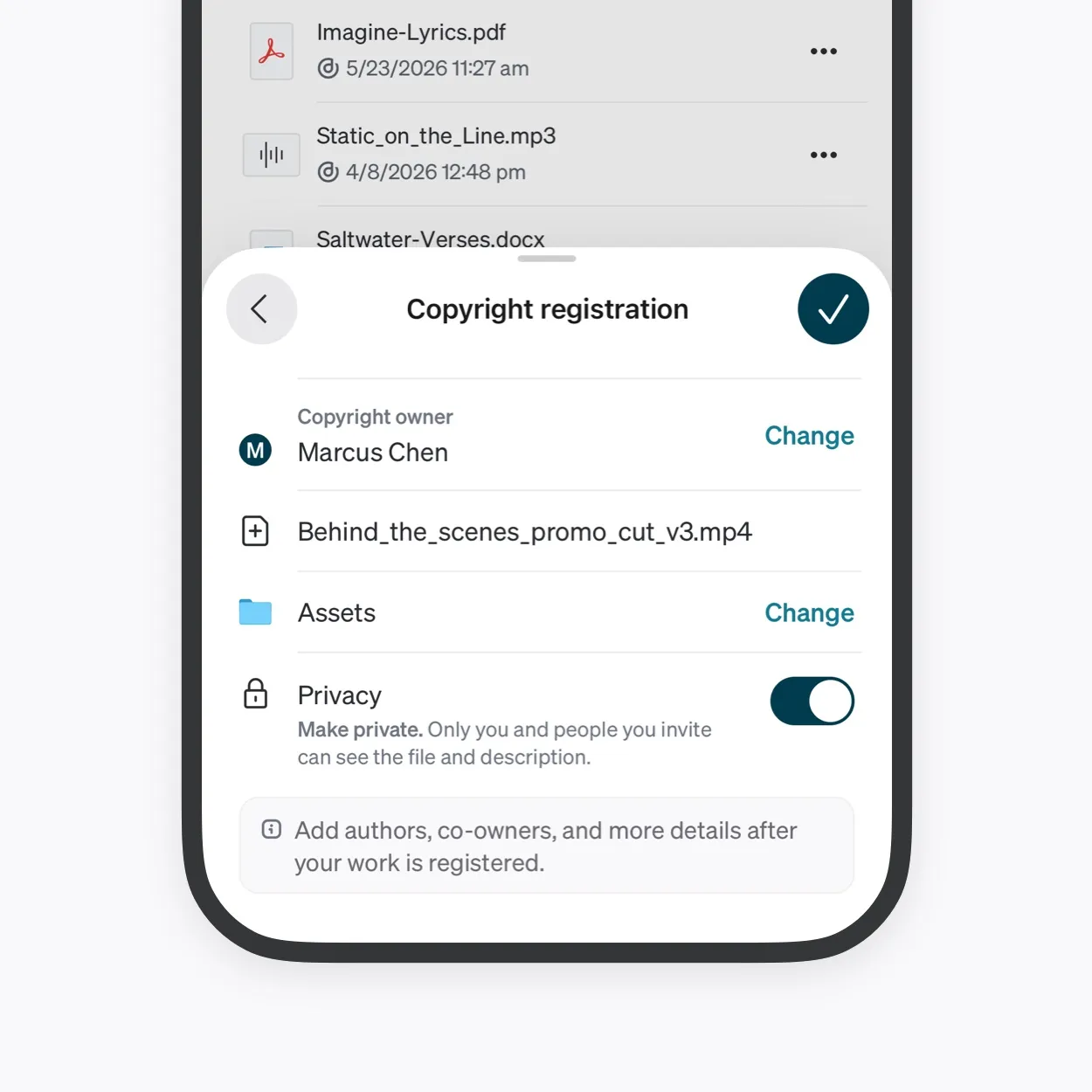
Register the images. Each file is its own registration, and registration is priced per work, so an eighty-picture body of work is a decision about how much of it goes on the record rather than an all-or-nothing commitment. For most projects the final edit is the right scope, with strong outtakes worth covering if you expect to use them.
Then register the book as its own work: the laid-out publication, as a single file. That covers the thing the individual images don’t, which is the assembled sequence and design.
File the project as a project
Four years of work won’t be findable by title alone in a decade, particularly if the working title changed twice.
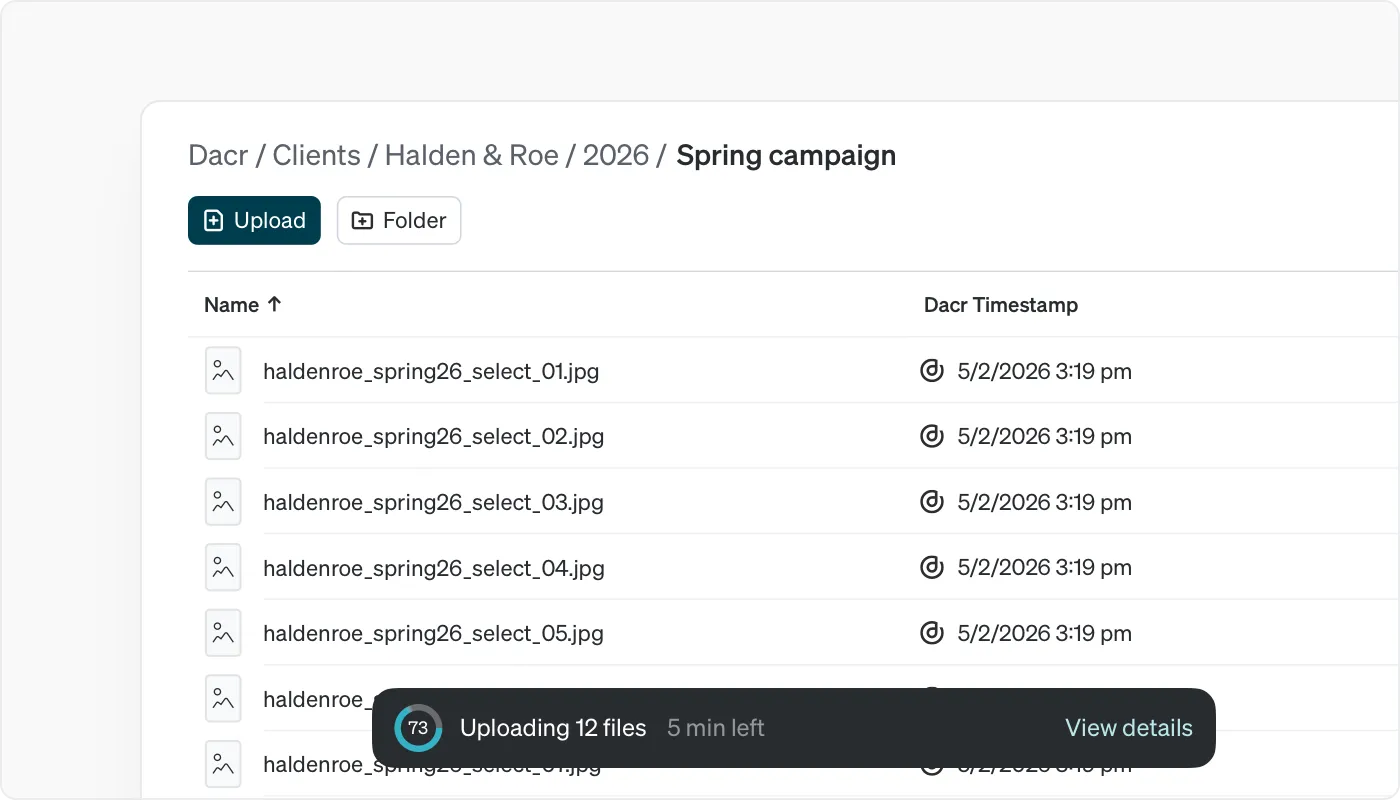
Put the whole body of work in one folder, named for the project. Folders nest as deep as you like and registrations can be moved between them later, so a structure that turns out wrong is fixable, which is an argument for starting rather than planning.
Name the image files consistently, because the filename is permanent and stays publicly visible, and it becomes the record’s starting title. Search looks at the title, and the title starts as the filename, so a project name and a number will serve you better than a camera sequence.
Books have other people in them
An essayist writes the text. A designer makes the object. An editor shapes the sequence. Sometimes a printer’s judgement is part of why the book looks the way it does.
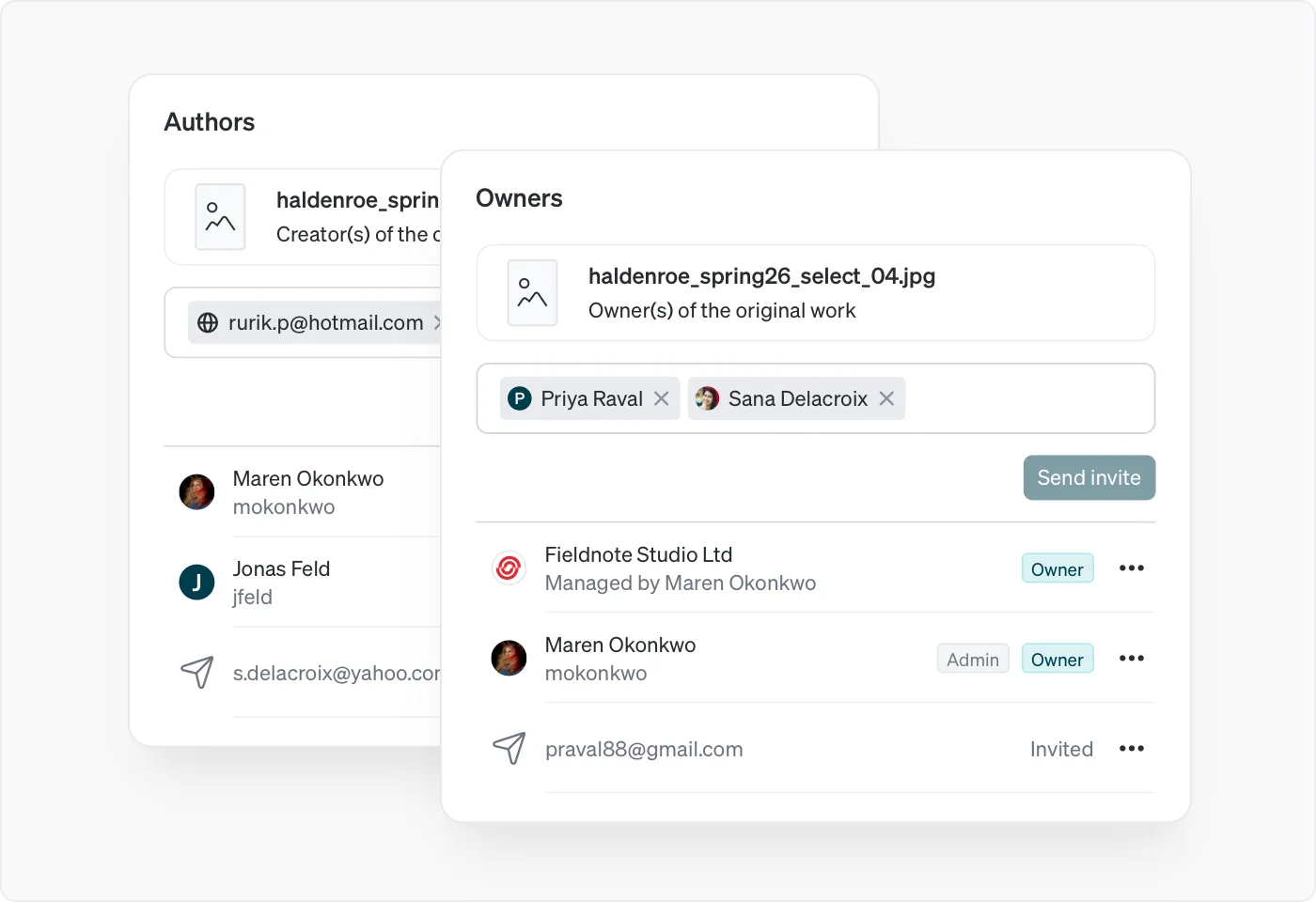
The photographs are yours. The essay belongs to whoever wrote it, and that is a separate work with its own ownership rather than something a registration of your book absorbs. The designer and editor are usually credited without owning anything, which is what the authors list is for.
Authors can be added at any time, so the list can be completed as the book comes together rather than guessed at the start.
Publisher arrangements vary and the agreement decides
Some publishing contracts leave the photographs entirely with the photographer and license the right to publish. Others take rights in the book as an object while the images stay yours. A few take more than that.
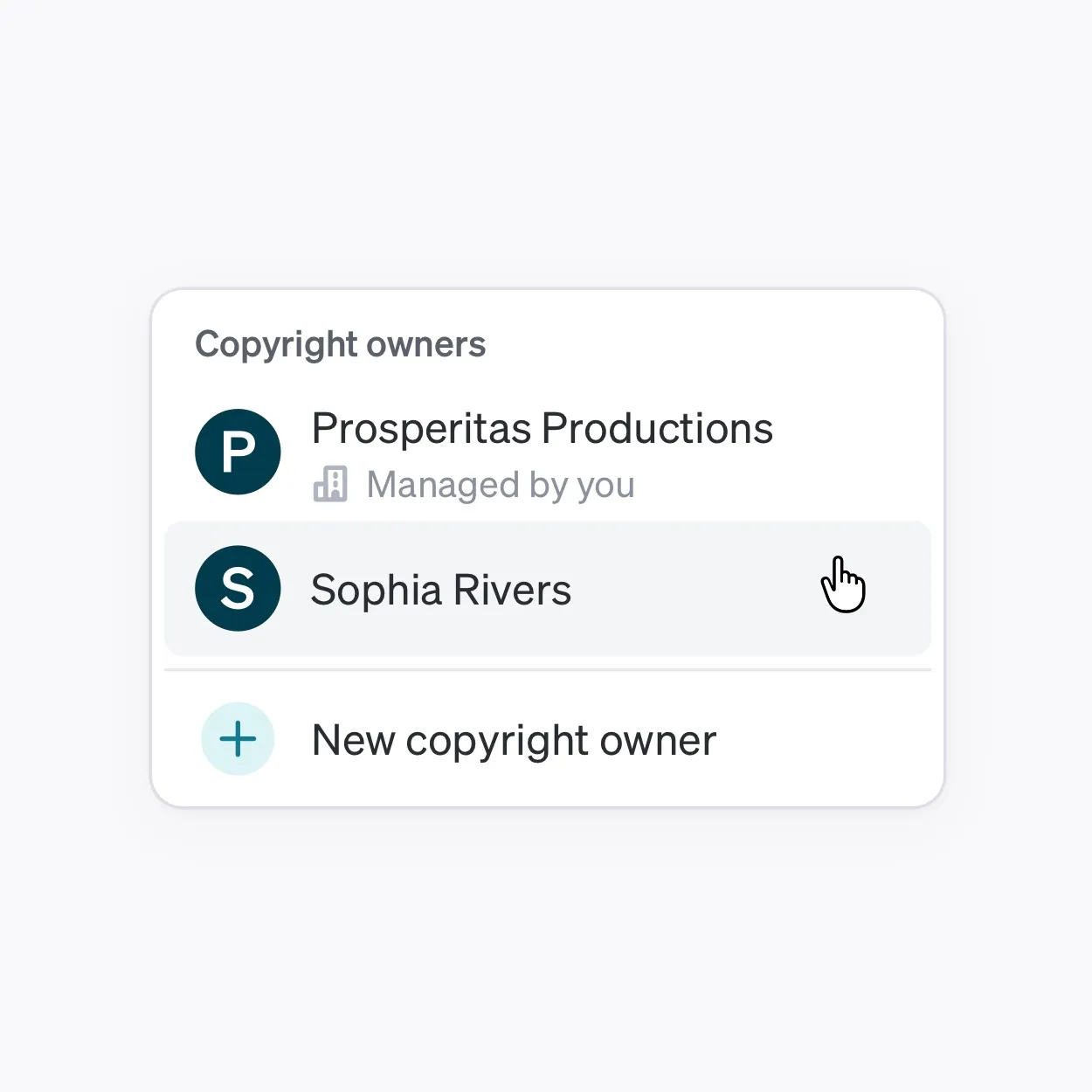
Register the photographs under your own owner where they are yours, which is the usual case. Register the assembled book under whichever owner the agreement names.
Getting this right at the point of registration matters, because the principal owner can’t be edited afterward and changing it means selling or reassigning the registration. If the contract isn’t signed yet, register the images now under your own name, since they exist and are yours regardless of what a publisher later licenses.
Private until it is announced
Long projects are usually unannounced for most of their life, and a book has a publication date that the publisher cares about.
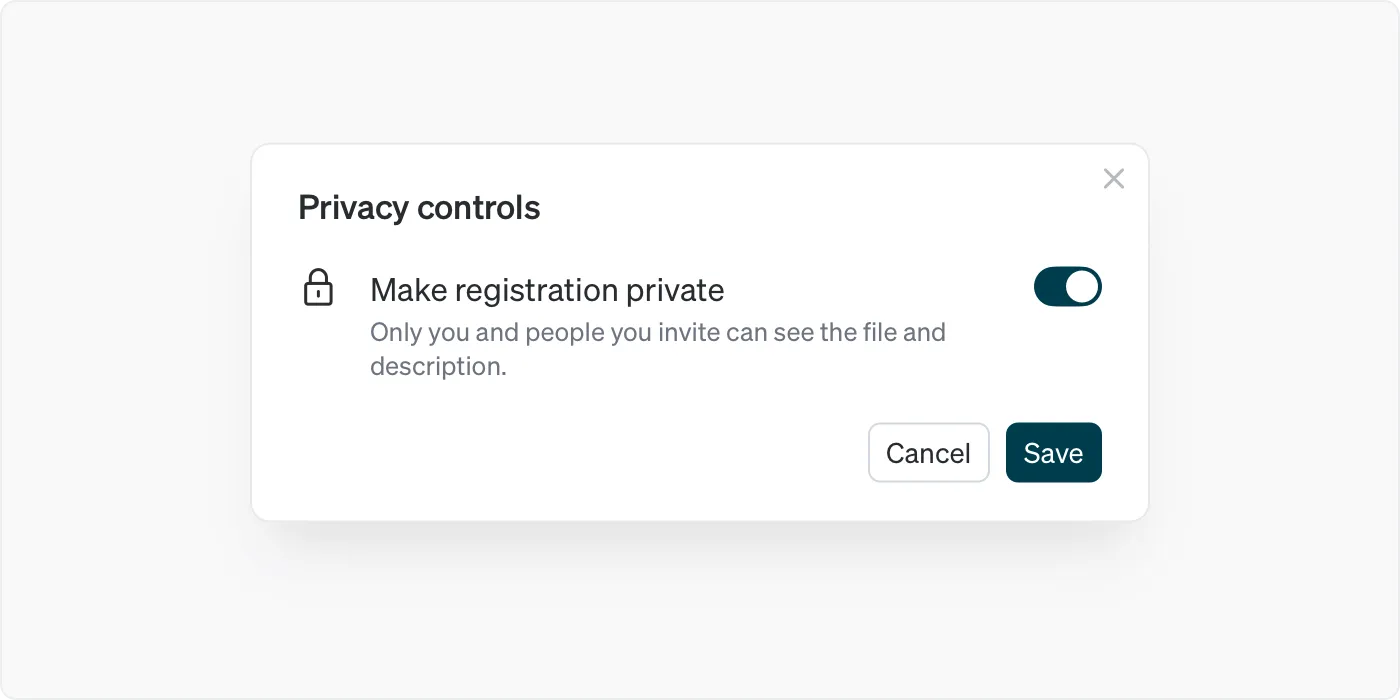
A private registration hides the images and the description. Ownership, authorship, the timestamp and the filename stay publicly verifiable, so keep the working title out of filenames if the project is confidential.
Make the registrations public at publication, in bulk from a selection rather than one at a time.
Register as you shoot, not as you publish
The temptation with a long project is to wait until the edit is final, which can be years after most of the frames were made.
Register in passes as the work accumulates, once or twice a year. The pictures you take in the first year get a record from the first year, which is the strongest version of what registration does for a project that won’t be finished for another three.