A serialized comic publishes in pieces. A page a week, an issue a month, a chapter whenever it’s ready. Each one goes out finished, into a format built for sharing, and stays out.
Which makes the registration question different from a single illustration. It isn’t whether to register, it’s what counts as one work and how often you do it.
You choose the unit by choosing the file
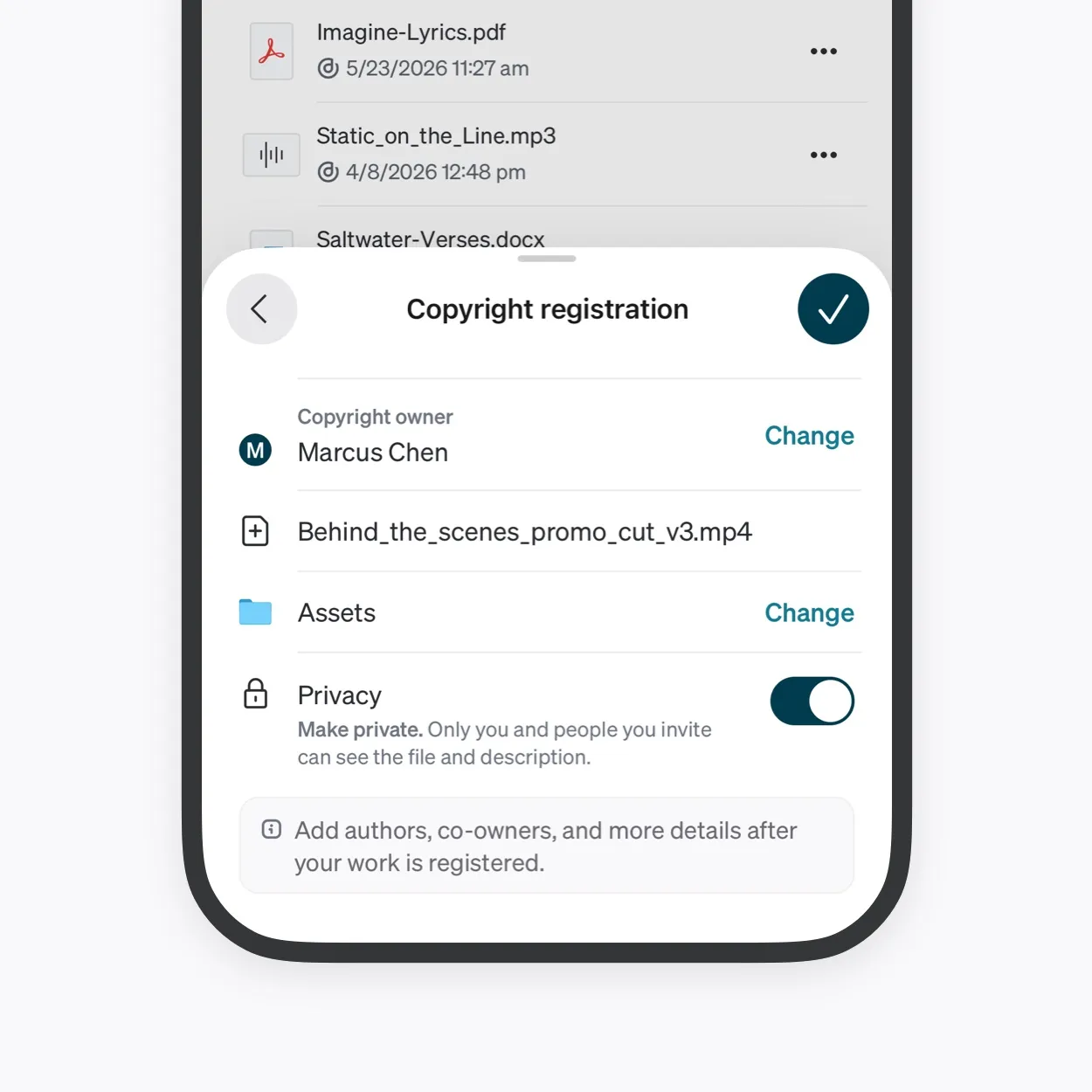
Each file you upload becomes its own registration. So a twenty-four page issue uploaded as twenty-four page files is twenty-four registrations, and the same issue flattened into one PDF is one.
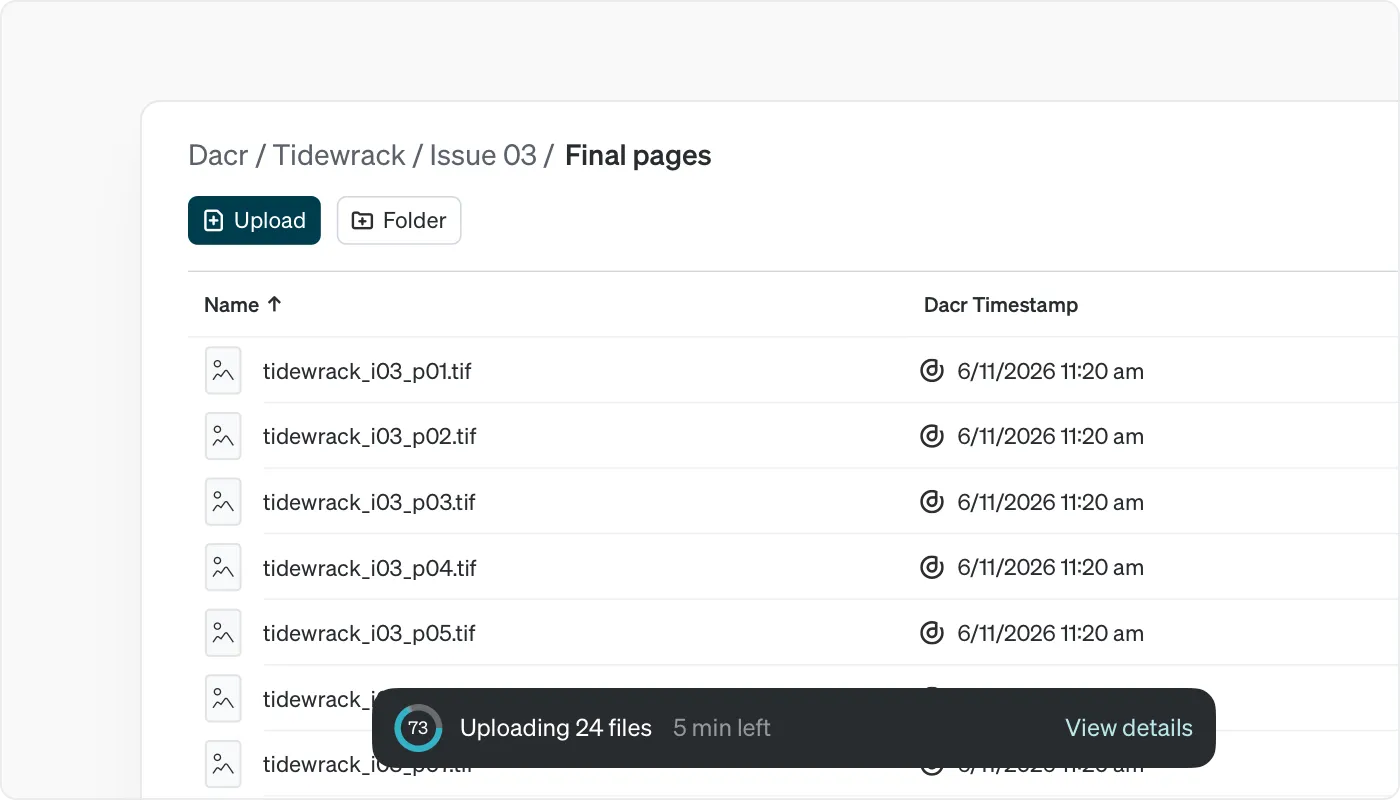
Both are legitimate and they suit different work. Register per issue where the issue is the thing you publish and sell, which covers most serialized comics. Register per page where individual pages have separate lives, which is more common for webcomics that circulate a panel at a time and for anyone selling original page art.
The one thing worth avoiding is switching between them halfway through a run, because it makes your own catalog harder to search later.
Register ahead of the release, not after it
Serialization means each piece becomes public the moment you post it, and reposting starts immediately. Comics travel exceptionally well, which is what you want, and the reposts rarely carry your name past the second share.
Registering before the page goes up gives you a record that predates every copy of it. Registering afterward still creates a record, just one dated after the page was already circulating.
In practice that means folding it into the same session where you letter, export and schedule. If you batch a month of pages at once, register the batch when you export it.
The script and the art are different questions
If you write and draw everything yourself, the whole thing is yours and this is simple.
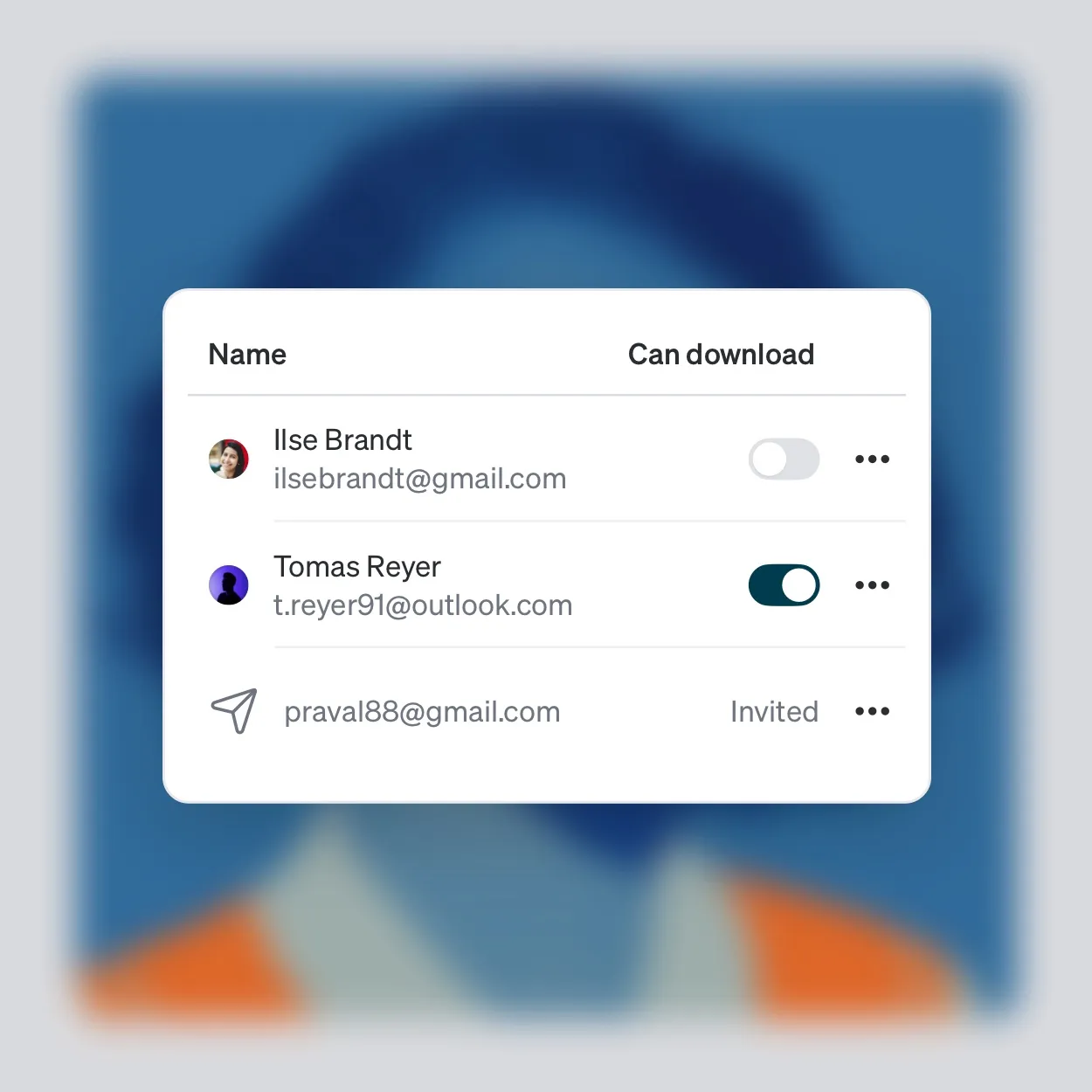
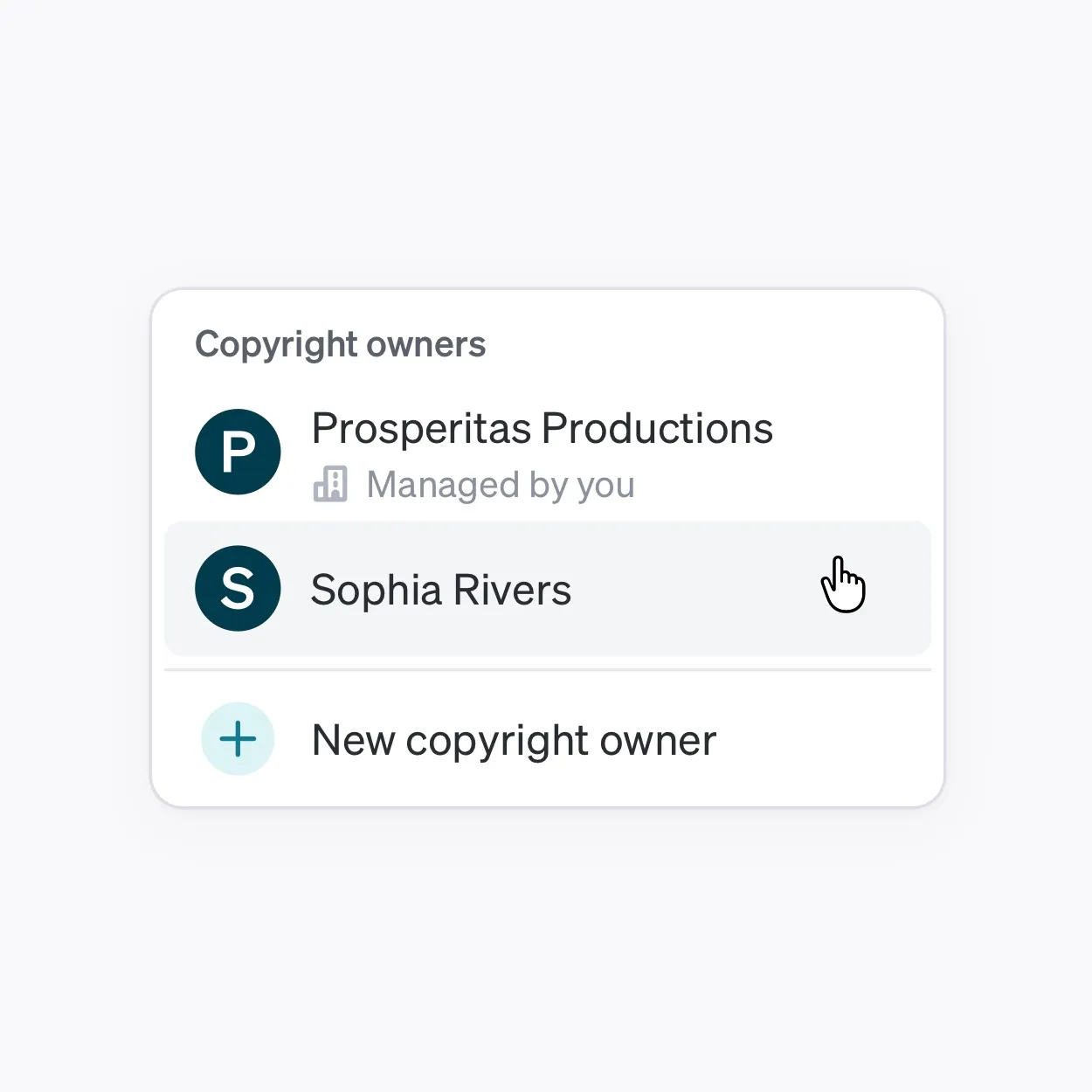
Where a writer and an artist work together, the finished pages are a collaboration and both belong on the record: the parties holding rights go on the owners list, and everyone who made it goes on the authors list. Letterers, colourists and editors belong on authors too.
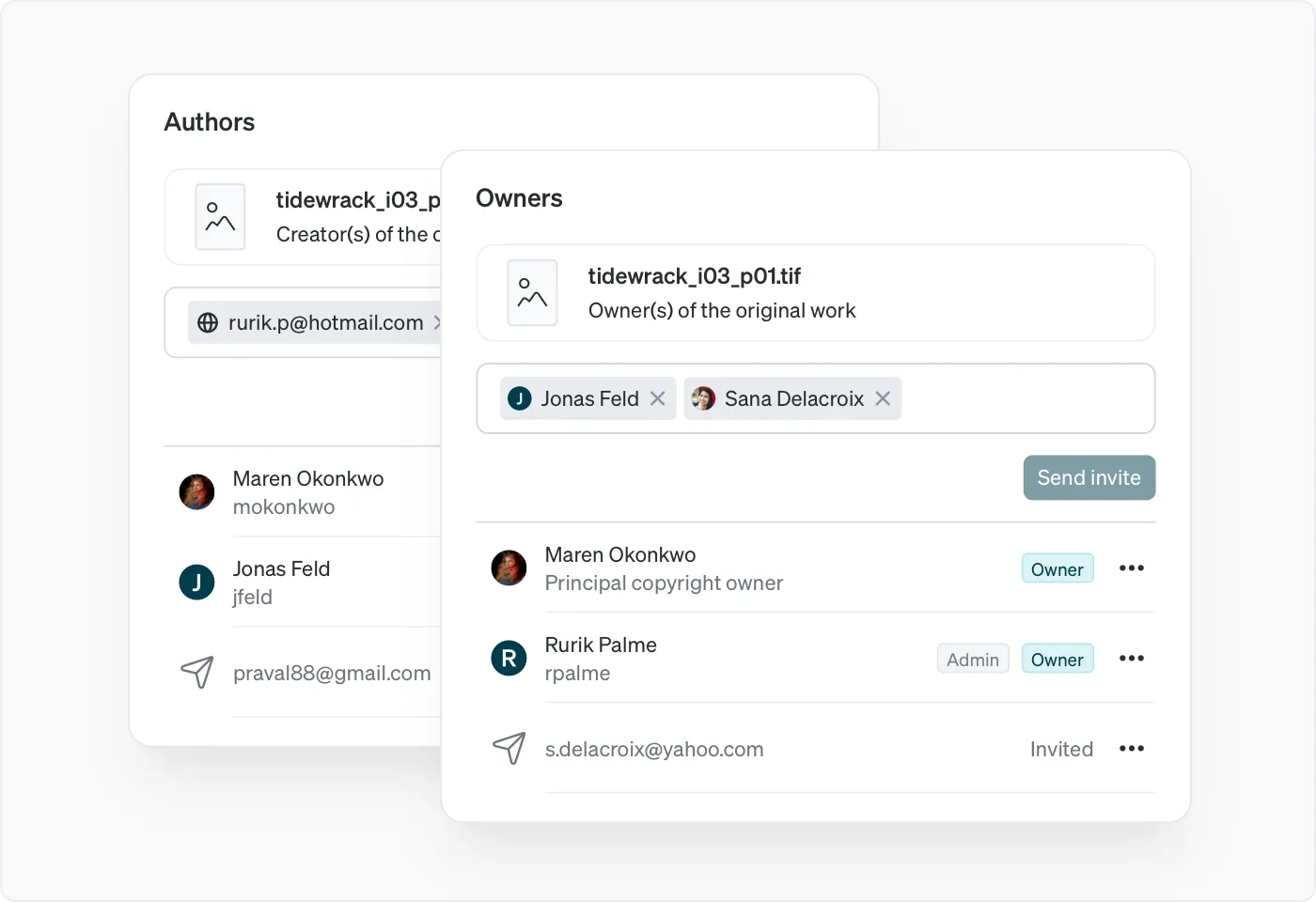
Authors can be added at any time, so a colourist who joins at issue four can be credited then. The principal owner is the one to get right at the point of registering, since that can’t be edited afterward.
A registration records who owns and who made. It doesn’t record what proportion each of you holds, so if you and your collaborator have agreed a split, that lives in your agreement between you.
Covers and character material have separate lives
A cover often earns independently of the issue it belongs to. It ends up on merchandise, in promotion, on a variant, and it gets lifted more than interior pages do.
Register covers as their own works rather than only inside a flattened issue, so there’s a record pointing at the cover specifically when someone uses it on its own.
The same reasoning applies to your characters. A model sheet and a set of key designs are a body of work with their own licensing future, separate from any issue they appear in.
Naming a long run so you can still search it
The filename you upload is permanent and stays publicly visible, and it becomes the record’s starting title.
On a comic that matters more than it does elsewhere, because you’re going to accumulate hundreds of files that all look alike. A convention that sorts, something like series, issue, page, means you can find page nine of issue three in 2029 without opening anything.
Titles are editable afterward, so a run you named badly at the start can be tidied. Filenames can’t, which is the argument for settling the convention before issue one rather than at issue twelve.
Print collections and what counts as new
Collecting a run into a trade paperback doesn’t create new work out of the pages, which are already registered.
What is new is anything made for the collection: a new cover, bonus material, process pages, a written afterword. Register those as they’re made, on the same basis as everything else.
When pages turn up somewhere
They will, and most of it is people sharing something they liked. The cases to act on are reposts that strip credit at scale, sites that mirror a whole run behind ads, and print merchandise using your art.
Get the actual image file rather than a screenshot of the page it’s on, then compare it against your registered version. Dacr also compares each new registration against everything already registered, automatically and on every account, so your infringement docket, where flagged matches and infringement reports appear, is the place to look before starting from scratch.