The moment a beat leaves your machine is the moment you stop controlling it. You send a pack to an artist you met last week, they love one, they cut a reference over it, they send it to two other people to get an opinion, and within a month a file with no name attached is on three hard drives you don’t know about.
None of that requires bad faith. It’s how music gets made. The problem is that if the beat comes back to you six months later on a release nobody told you about, the argument is about who made it, and you’re making that argument from memory.
Registering before you send fixes the sequence. A few minutes, once, before the files go out.
Rename while renaming still counts
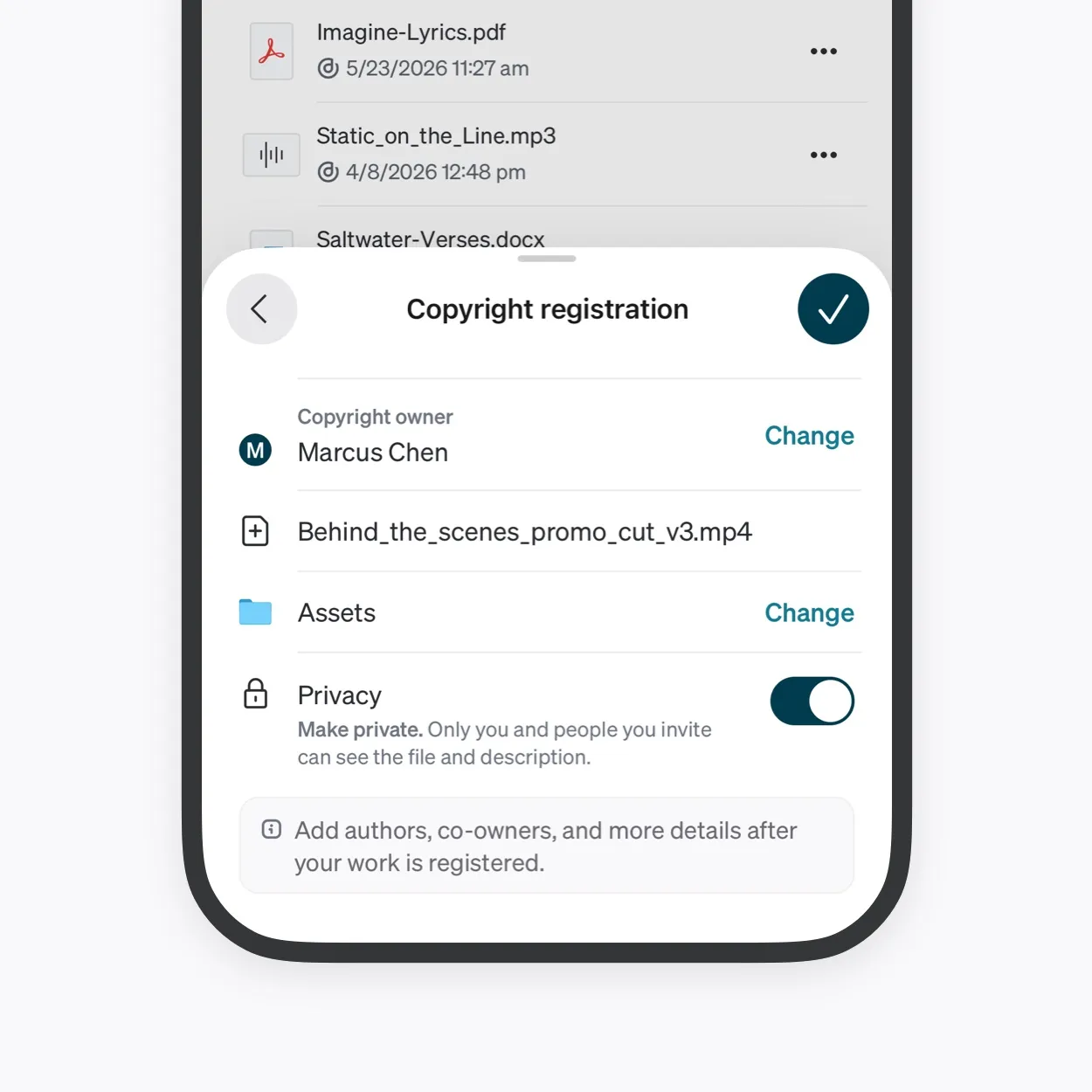
The filename you upload is permanent and stays publicly visible on the registration. It also becomes your title. The title is seeded from the filename and can be edited afterward, but the filename itself can’t.
So beat_final_v3_USETHIS.wav is what the record says you made, and part of that is unfixable. Rename in the same pass that selects the files.
Every file is its own registration
Selecting several at once applies the same settings to everything in the batch, but each file becomes its own registration. Five files means five registrations.
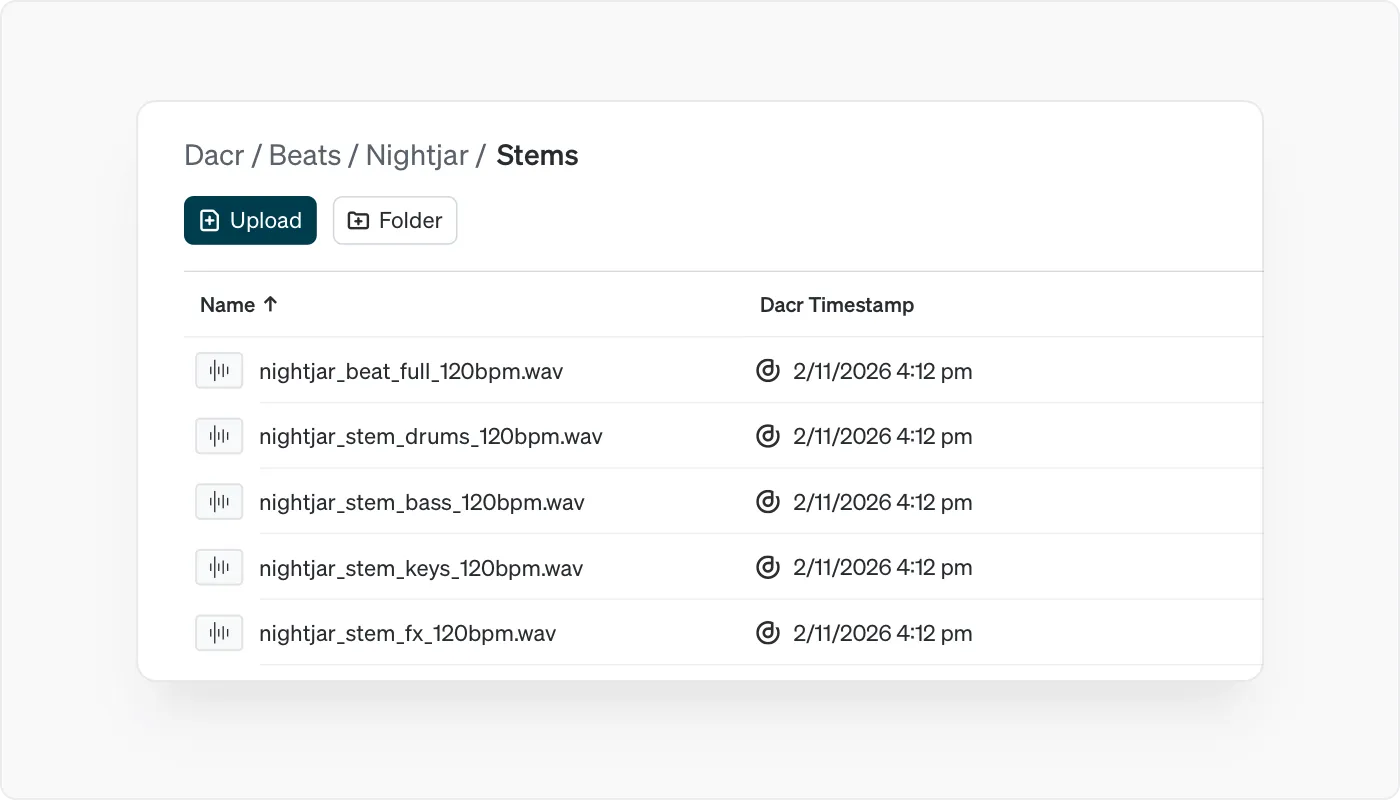
So the question is which files matter. The main bounce, certainly. Stems deserve a decision: they’re what a producer would rebuild from, and if you’re sending them, they’re what ends up in someone else’s session folder.
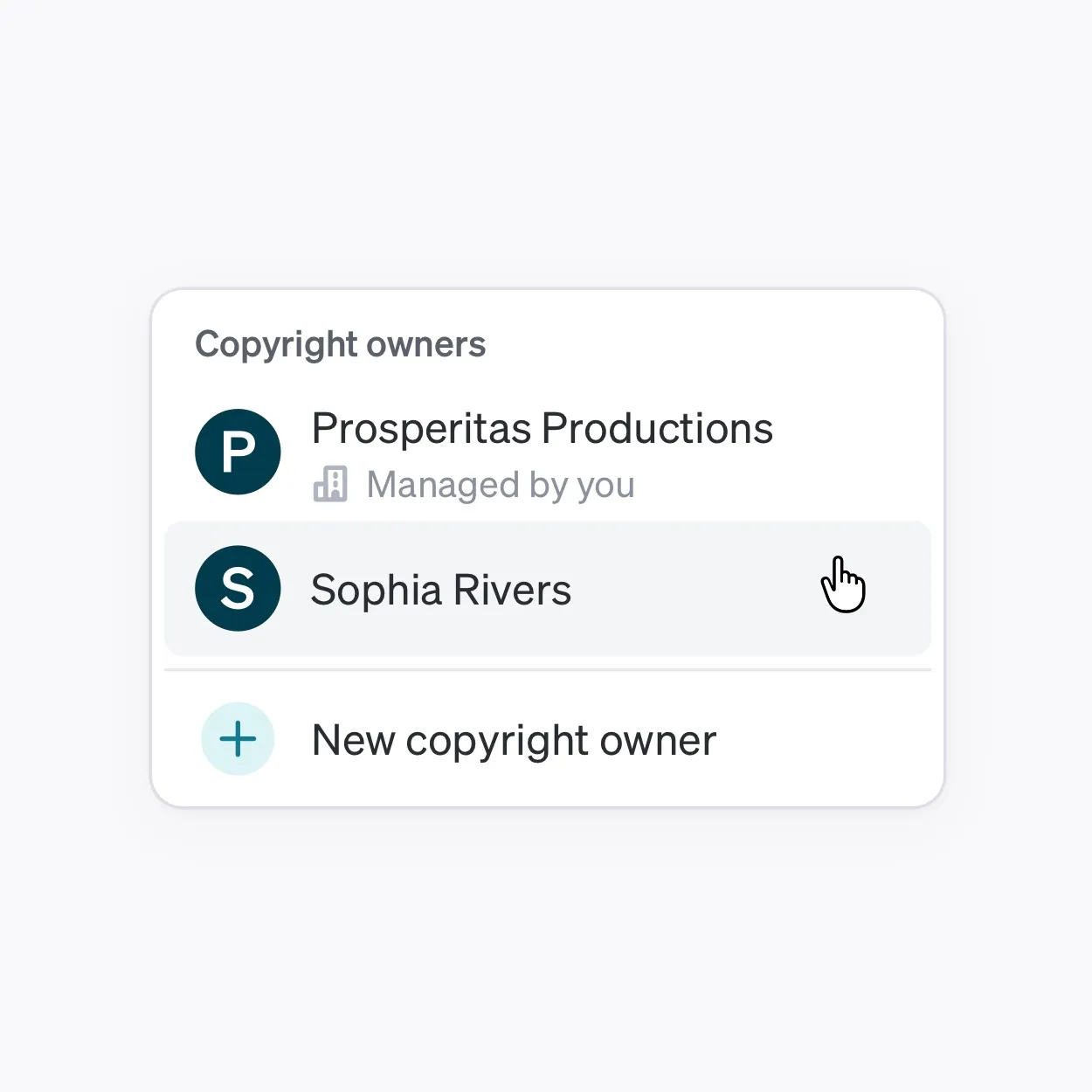
Check the copyright owner before you continue. If you produce under a company as well as your own name, this is the moment that matters. The principal owner can’t be edited afterward, and changing it means selling or reassigning the registration.
Private is the right state for unplaced work
Set the registration to private. That hides the work itself, the description and the Dacr AI analysis from everyone except you and people you invite.
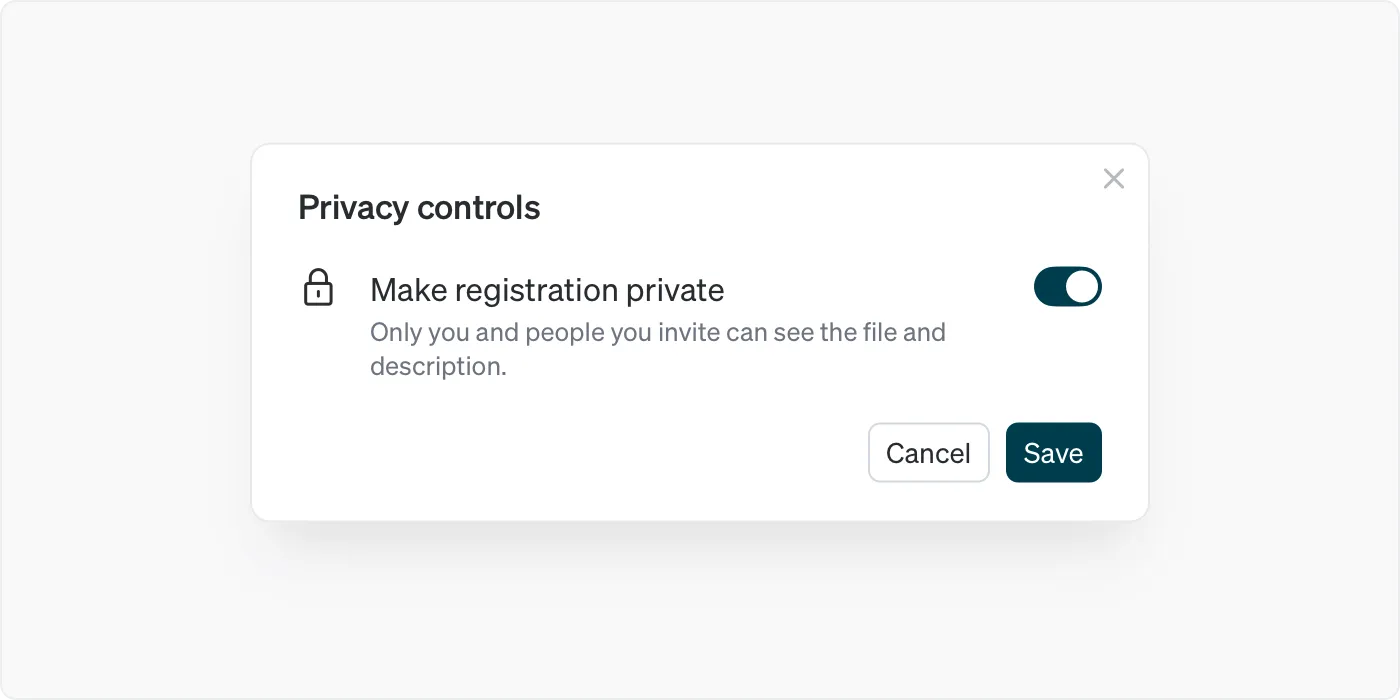
The ownership record stays publicly verifiable either way, and so does the filename, which is the other reason to name things carefully before you upload.
If most of what you make is sitting unplaced, set your account default to private and stop deciding it beat by beat.
Countries, if you’re a Member
Dacr Members have the option of registering a work in additional countries, either at registration or afterward.
The tempting move on something speculative is to skip it and add coverage later if the beat goes somewhere. A country added later is timestamped from the moment you add it, so if a track lands in a market three years from now, your record there begins three years from now.
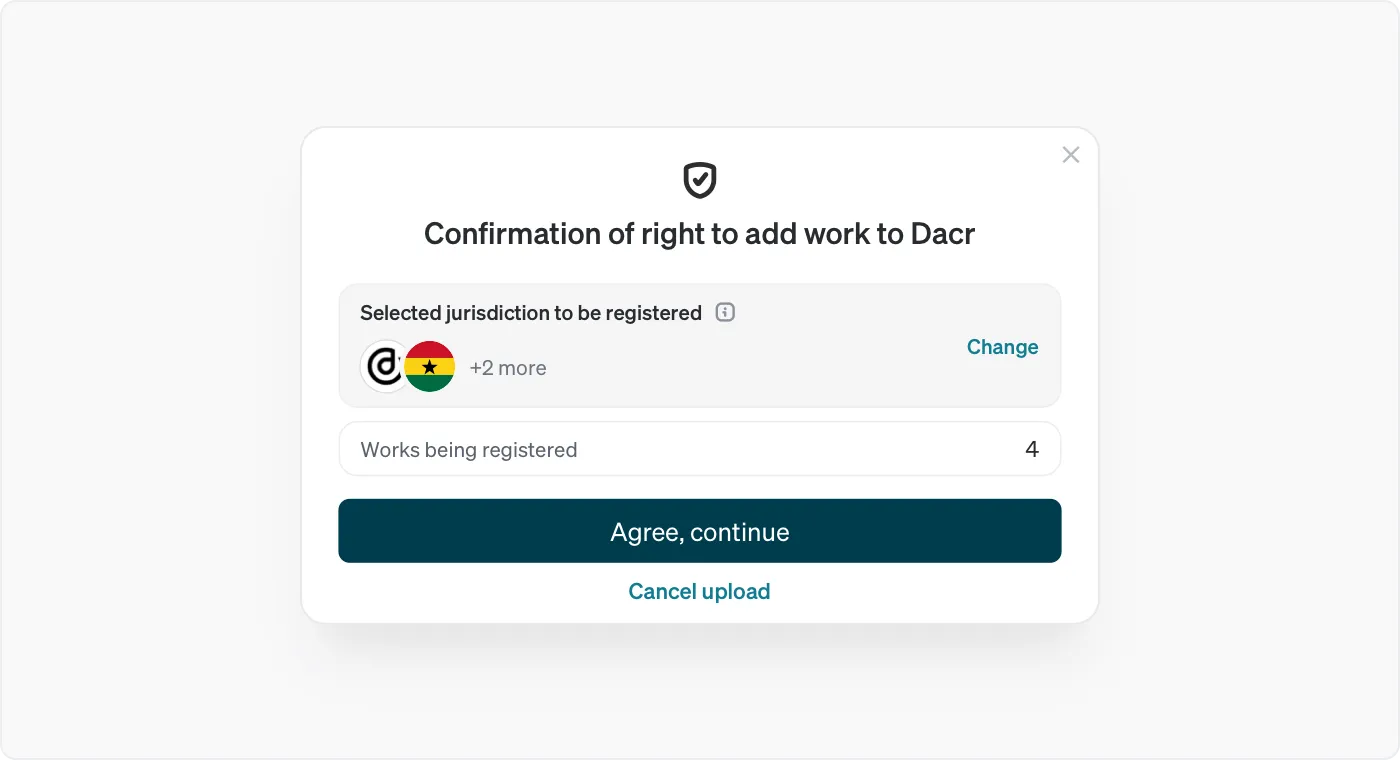
Registration is priced per work and per country, so the list you choose is the list you pay for. Five files in your own market is five registrations; the same five across three countries is fifteen. For a beat that hasn’t been placed, that’s a reason to be specific rather than exhaustive.
The useful input isn’t guesswork. It’s the artist you’re sending to, where they release, where their label distributes, where their last record actually charted. You have that before you send anything.
Send the link, not the file
For a first conversation you often don’t need to send audio at all. Every registration has a public page whose link proves the work is yours while the work itself stays private.
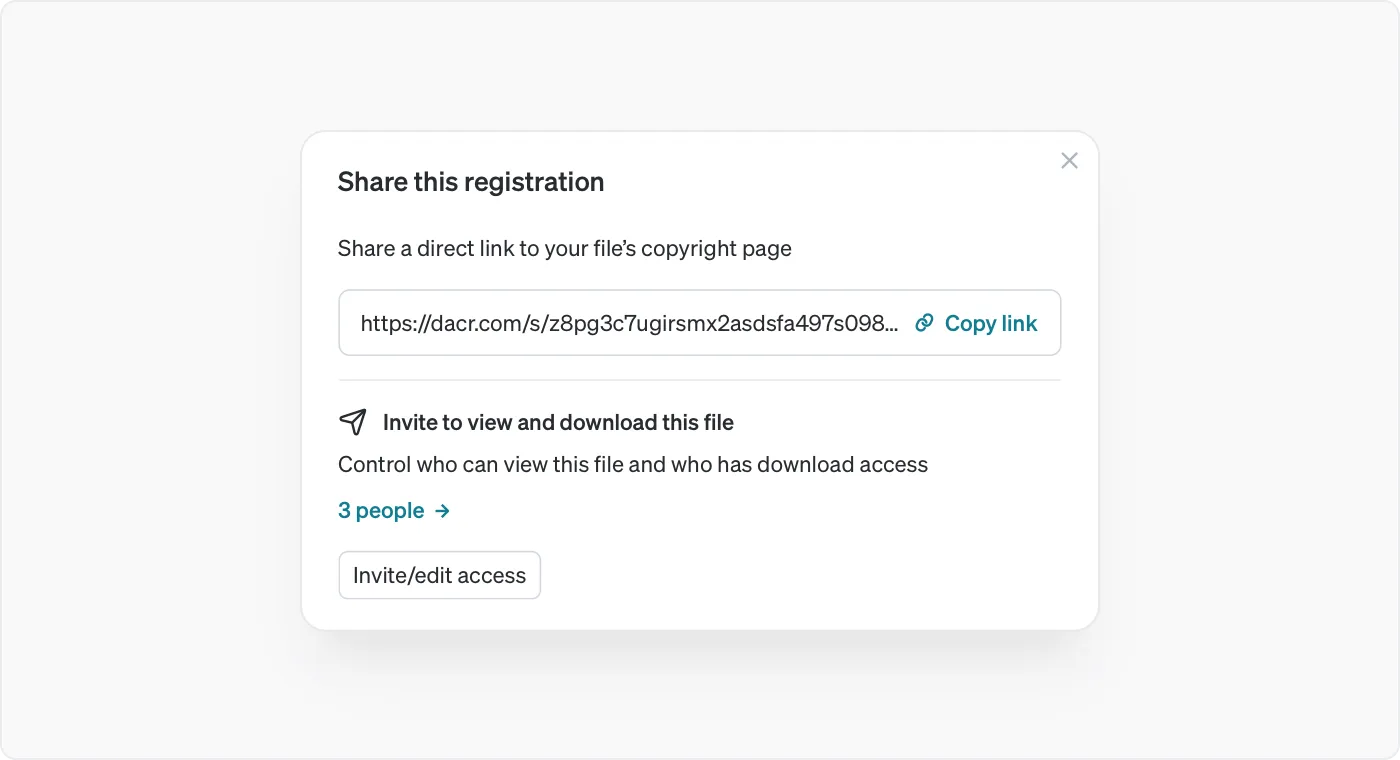
That’s the right tool for a label, a publisher, or a manager, where the point is establishing the work is yours rather than handing it over. It’s the registration’s own address, so treat it as public. Anyone you send it to can pass it on.
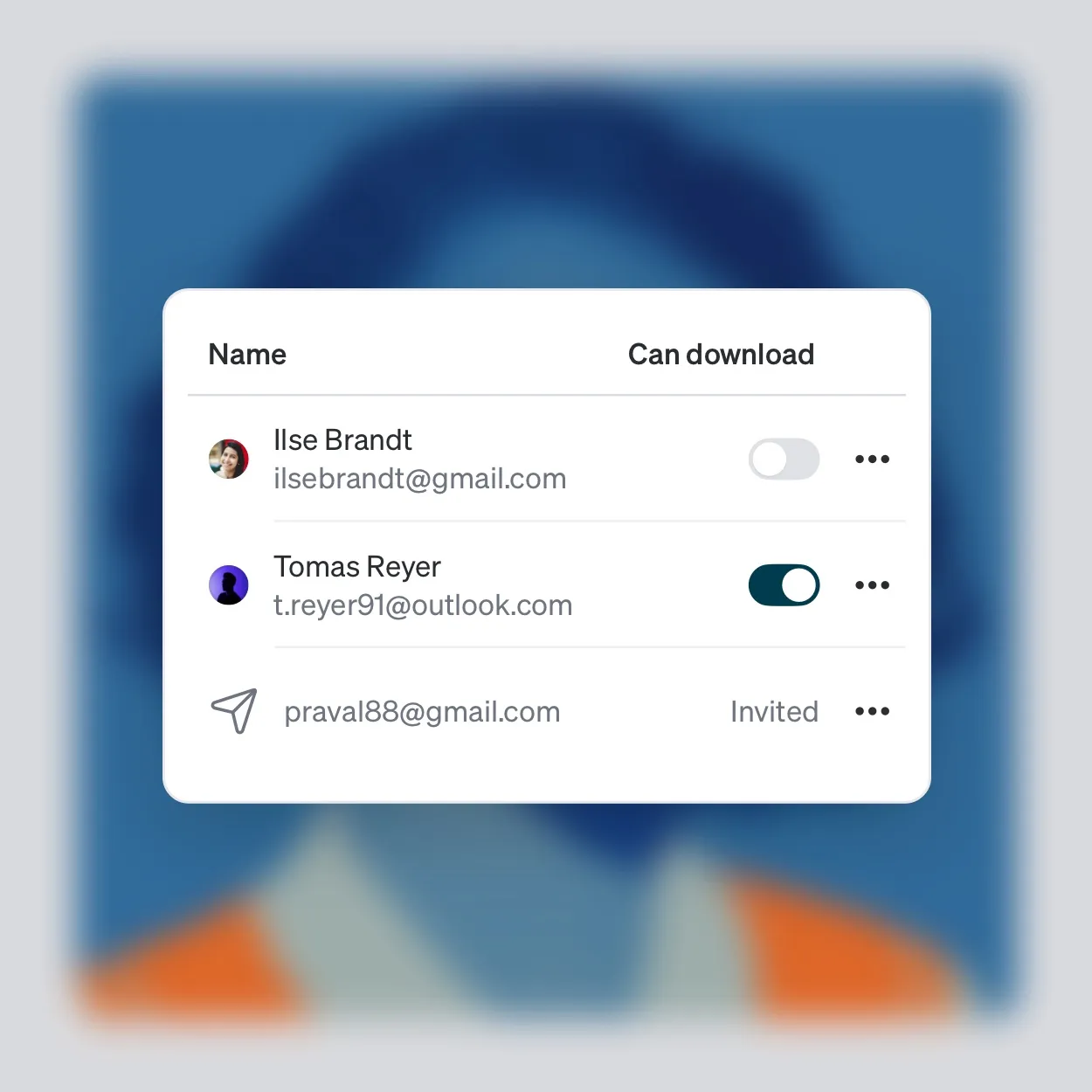
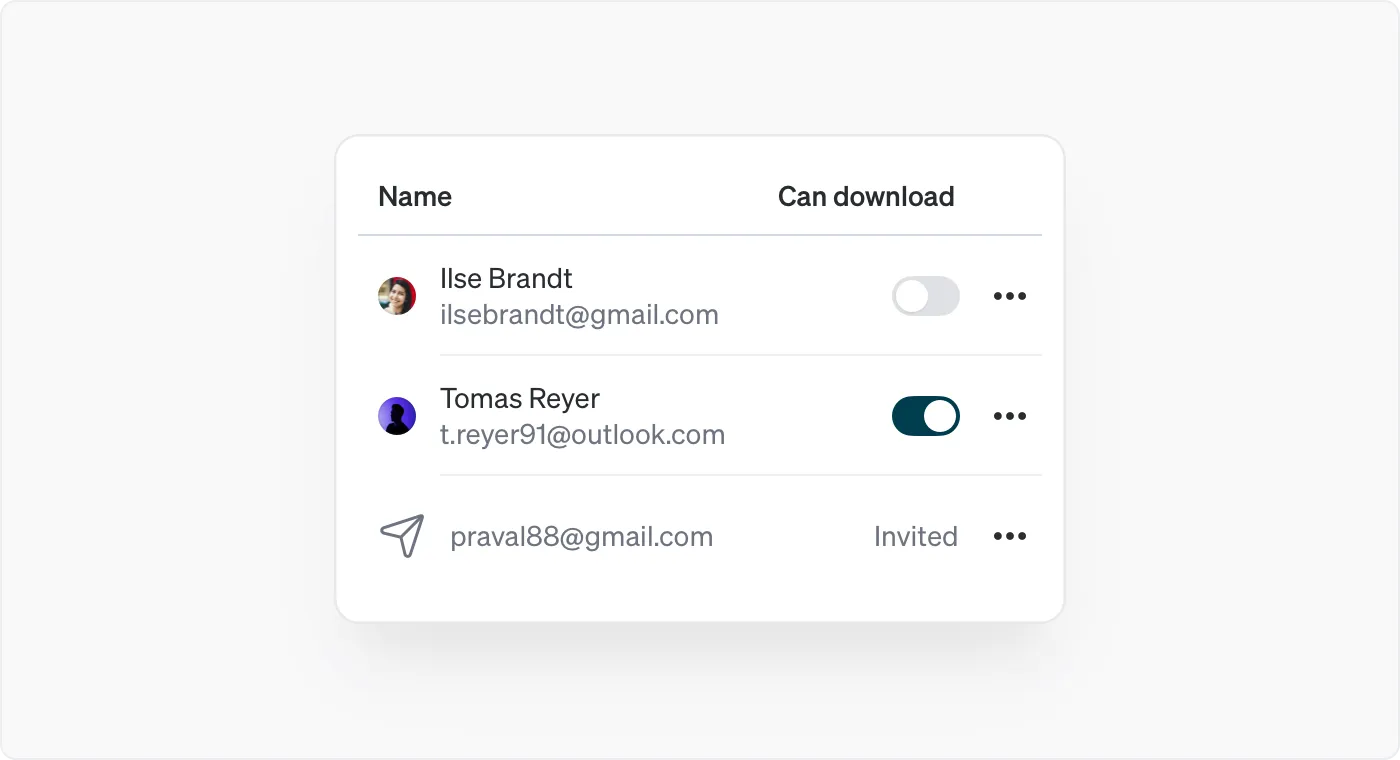
When the artist does need the audio, invite them instead of emailing a file. Downloading starts switched off, so they can hear it without taking a copy until you decide otherwise, and you can withdraw access later.
Credit the room
If a vocalist wrote a topline over the beat during the session, or an engineer mixed it, add them as authors. Authors are credited on the registration and recorded separately from whoever owns the work, so crediting someone doesn’t give away ownership.
Authors can be added later, so nothing is lost if a name surfaces in a month. Do it while you remember anyway, reconstructing who was in which session six months on is exactly the detail that goes.
Fitting it into how you already finish a beat
The sequence is the same every time: rename, decide what to register, confirm the owner, set private, register, share the link.
Attach it to something you already do when a beat is done. The bounce, the backup, the naming pass. It only stays a chore while it’s a separate task.