A product shoot is commissioned for a campaign. Six hero images, a set of pack shots, a run of social crops. The brief names the media, the territory and the term, and everyone signs it.
Then the images start moving. Onto the packaging. Into a retailer’s product feed. Onto three marketplaces where resellers list the same item. Into a regional office’s local campaign. Into a deck a distributor made. Two years past the term, in a country that wasn’t in the brief.
Product images propagate further than any other commercial work
This is the structural difference between product photography and everything else a commercial photographer shoots. The image is attached to a thing that gets sold on, and it travels with it.
A single hero shot can end up on the brand’s site, a retailer’s listing, a wholesaler’s catalogue, a marketplace seller’s page and a comparison site, most of which the brand didn’t put it on and cannot easily pull it back from.
None of that makes the original agreement wrong. It makes a dated record of what you delivered, and when, considerably more useful than it would be for a job that stays where it was sent.
Register the delivered set before it goes
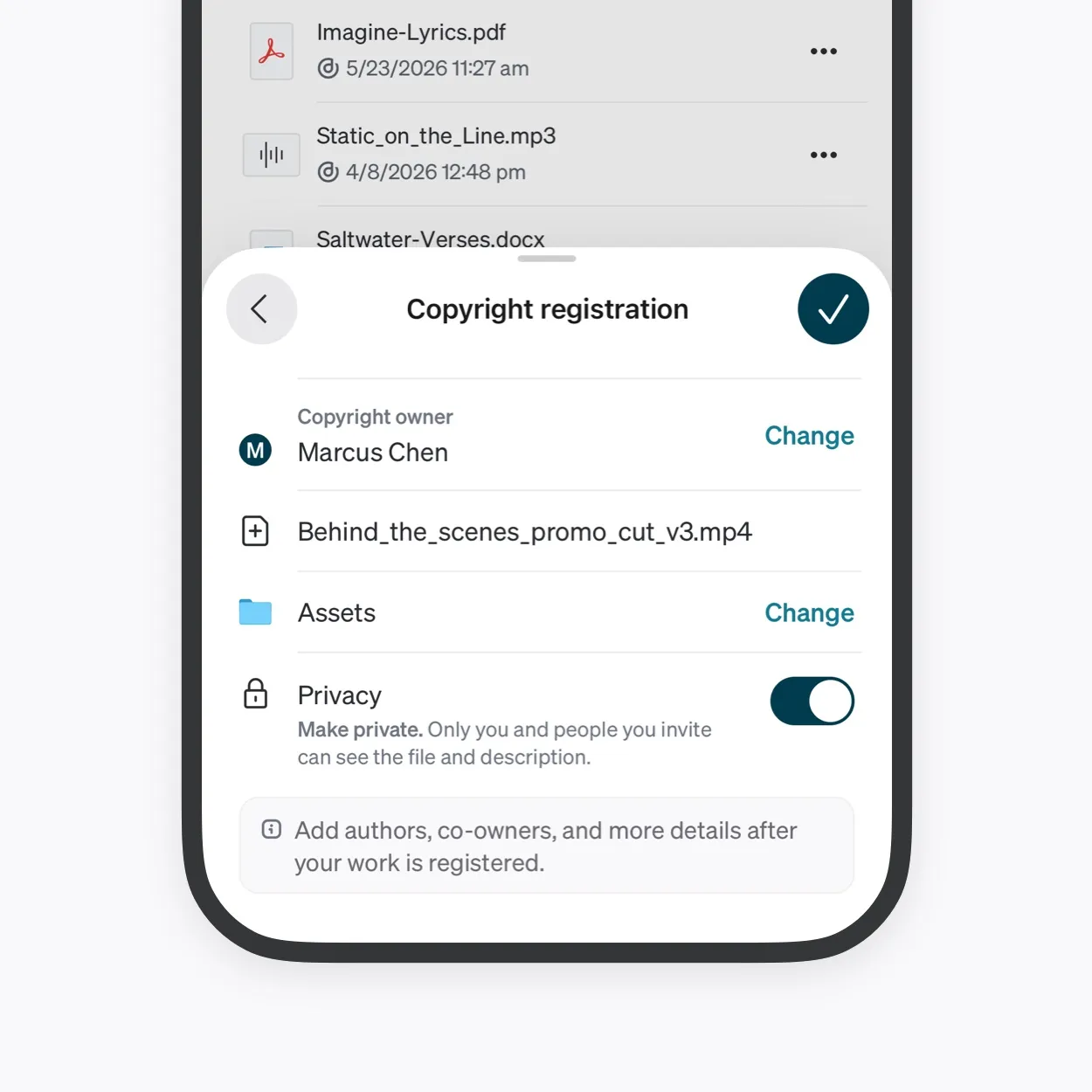
The retouched deliverables are the work. Register those, before delivery rather than after.
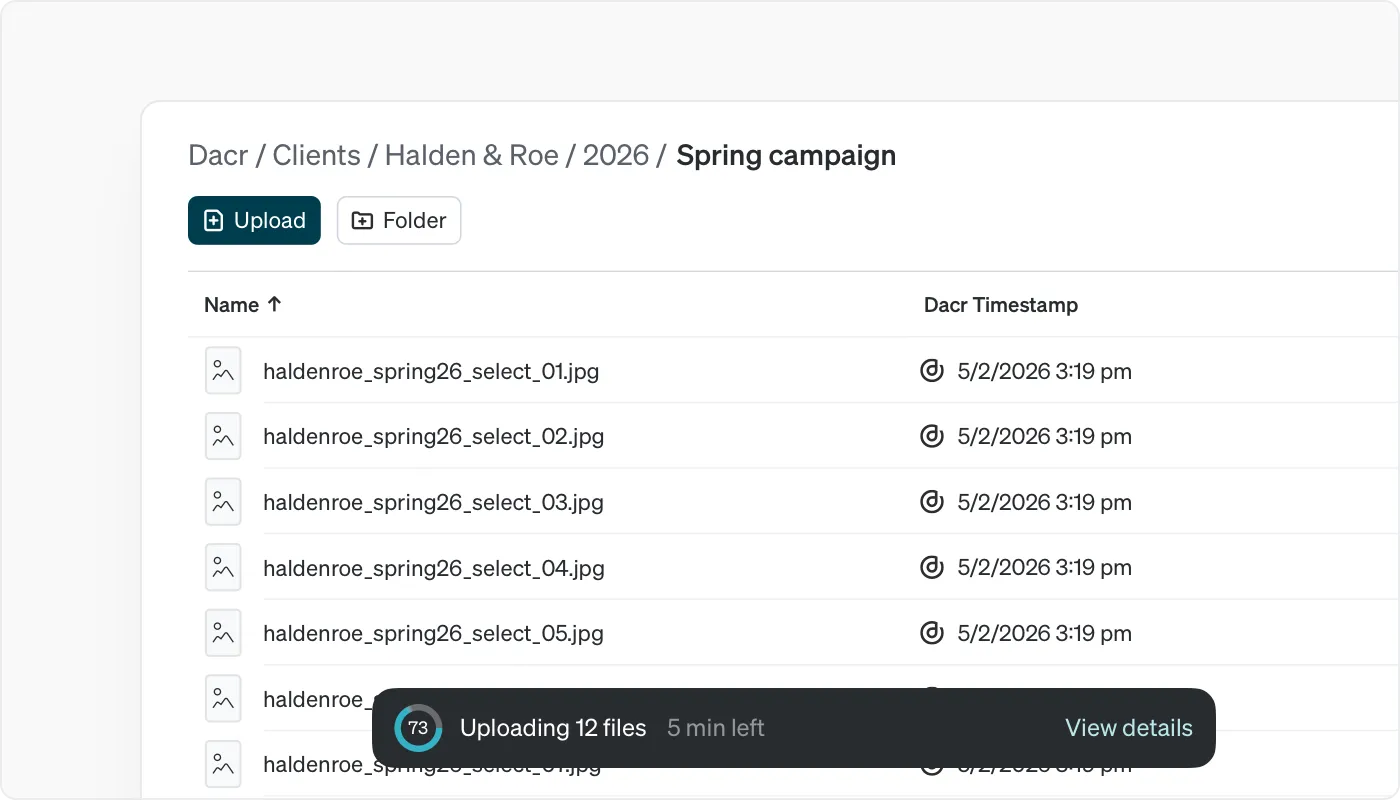
Registration is priced per work, so you decide how far into a shoot to go. The heroes and the pack shots are the images with a commercial life. Alternate angles and unused variants are worth covering if you expect to license them separately later.
Where you deliver both retouched masters and a set of derived crops, the masters are the ones to register. The crops are versions of them.
Credit the people who built the shot
Food and product work is a team job. A food stylist, a home economist, a prop stylist, a set builder, a digital tech, a retoucher who spends longer on the images than the shoot took.
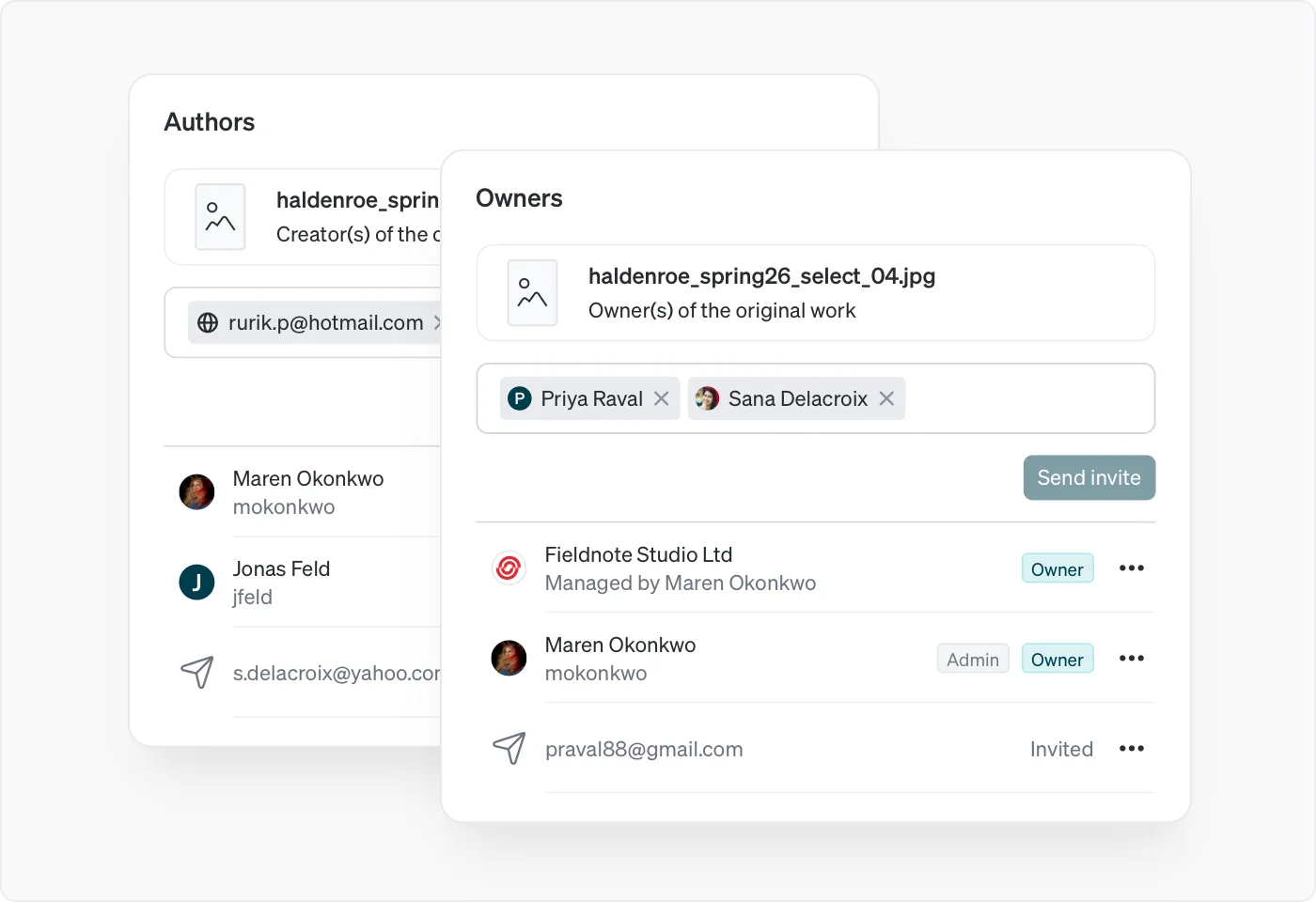
Owners are the parties holding rights. Authors are the people credited with creating the work, and they can be recorded without owning anything, which is the normal arrangement here.
The author list records who was involved. The specific capacity each of them worked in belongs in your credit line. Authors can be added at any time, so a retoucher who finishes the following week can go on then.
Ownership follows the commissioning agreement
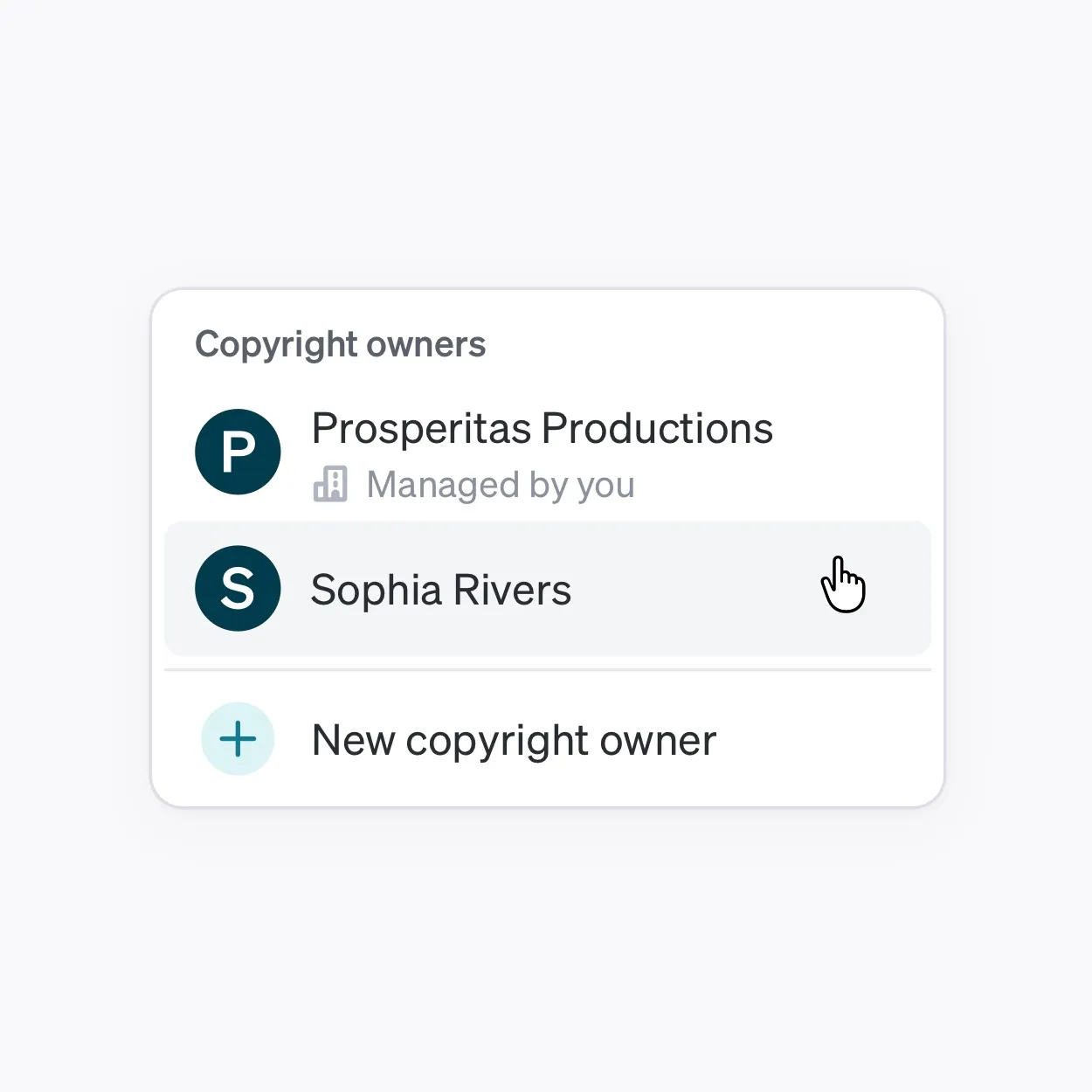
Commercial product work frequently transfers ownership to the brand, and just as frequently licenses it broadly enough that the difference rarely surfaces. Both arrangements are ordinary and the paperwork will say which one you’re in.
Register under whichever owner the agreement names. This is the moment it matters, because the principal owner can’t be edited afterward and changing it means selling or reassigning the registration. If you shoot for brands that buy outright and brands that license, the owner you have selected should be checked at the start of each job.
Territory is knowable here, which is unusual
Most speculative work makes country coverage a guess. A campaign brief tells you where it runs.
Dacr Members have the option of registering a work in additional countries, and coverage added later is timestamped from the moment it is added. So cover the markets named in the brief at the point you register, which gets you the earliest record in each of them.
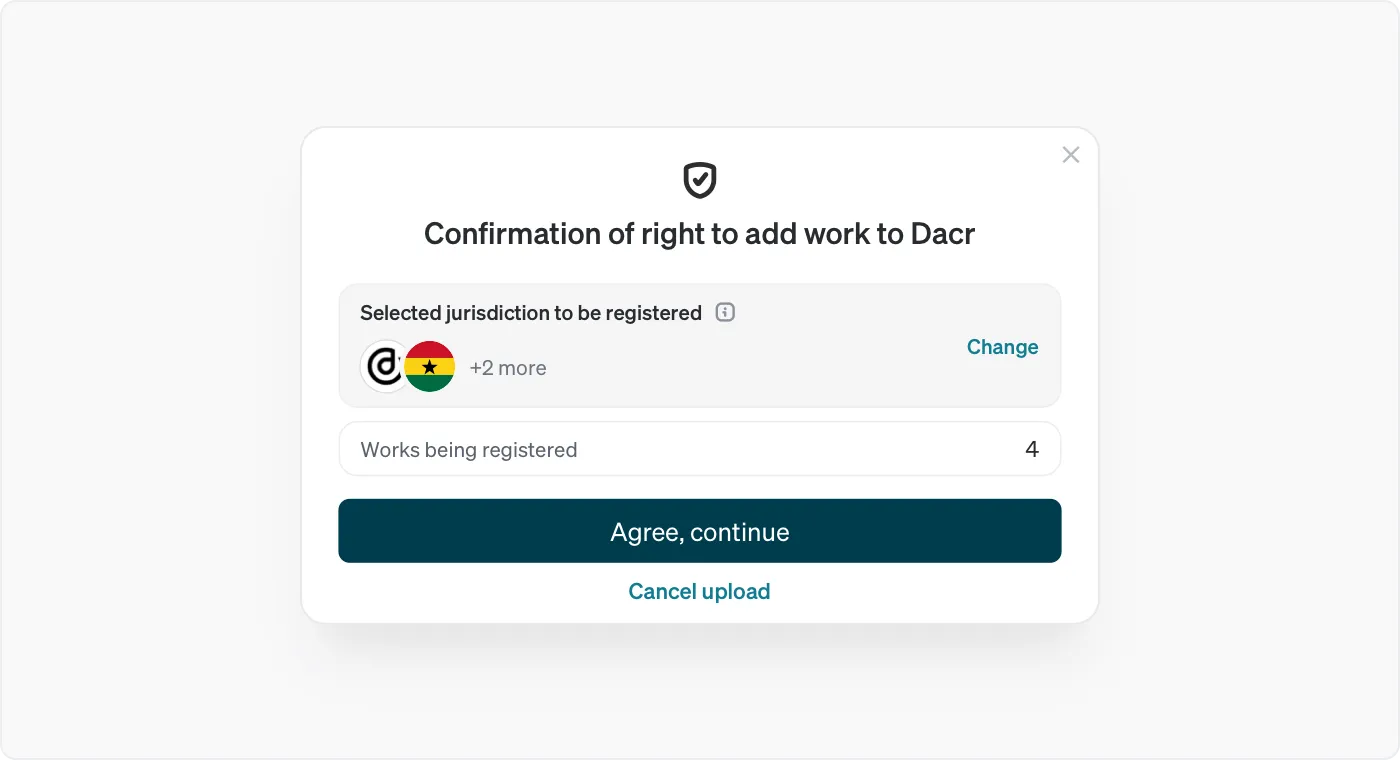
If the campaign is international and the brief is vague about where, ask. Whoever wrote the media plan knows.
Private until the campaign runs
Product work sits under a launch date more often than not, and a new pack design or an unannounced product is exactly the sort of thing a brand’s legal team cares about.
A private registration hides the images and the description. Ownership, authorship, the timestamp and the filename stay publicly verifiable, so keep the product name and the client out of filenames for anything unlaunched.
Make the registrations public when the campaign goes live, individually or across a selection.
When usage runs past the term
The common case isn’t theft. It is a marketing team two years on who inherited a folder, or a distributor doing what distributors do.
Get the image as it is being used, at the best resolution available, and compare it against your registered master. Then treat it as a renewal conversation rather than an accusation, because with a brand you may still work for that is usually the outcome worth having, and it is a short conversation when the record is already there.