A pitch is an odd transaction. You send finished thinking to a company with no contract with you, no obligation to respond, and a legal department that has probably told them not to look at unsolicited material at all.
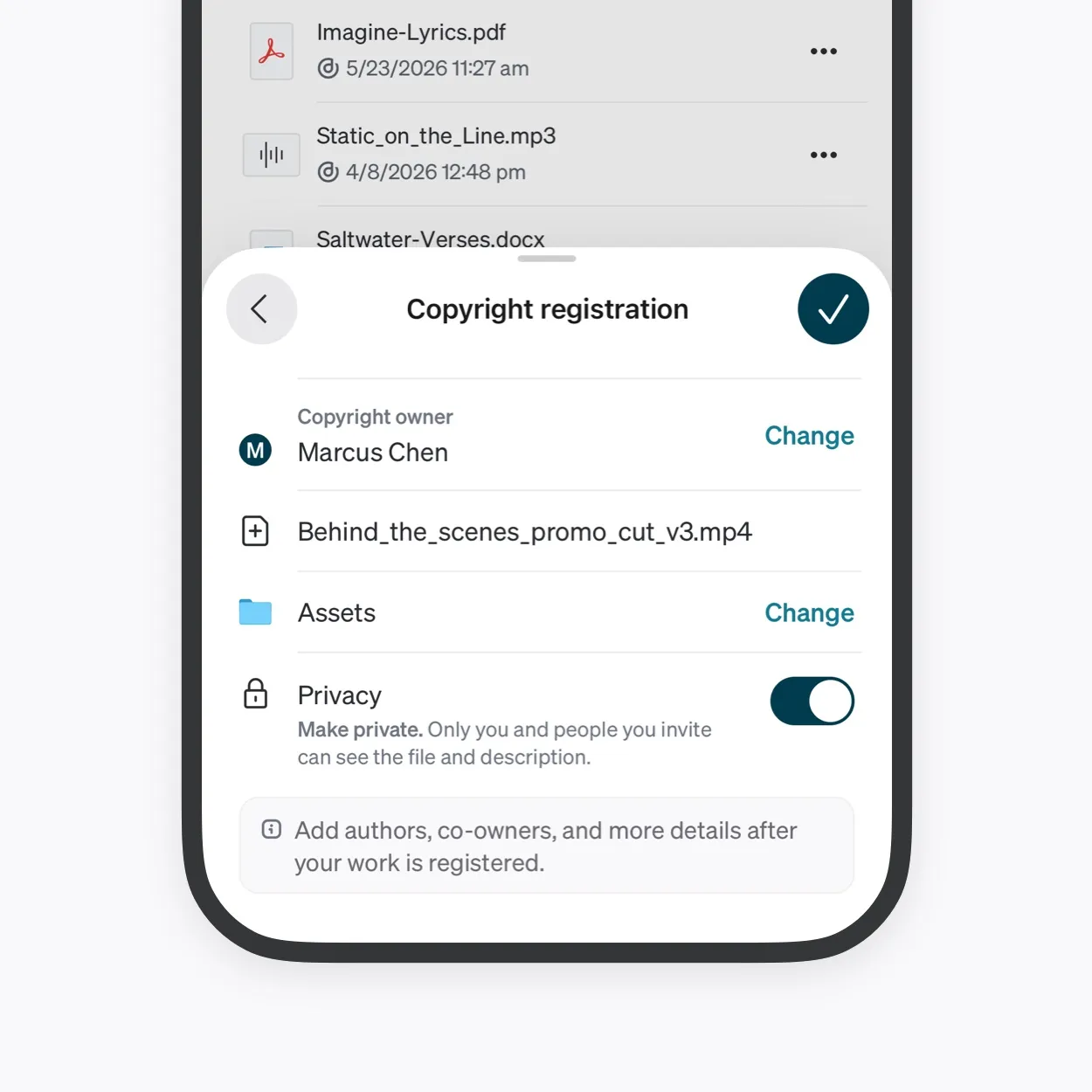
Register before you send. It takes a couple of minutes and it’s the only part of this you control.
Send the link, not the file
Every registration has a public page, and its link proves your ownership publicly without exposing the work itself. For a first approach that’s usually enough. The recipient sees the work exists and is yours, and decides whether they want more.
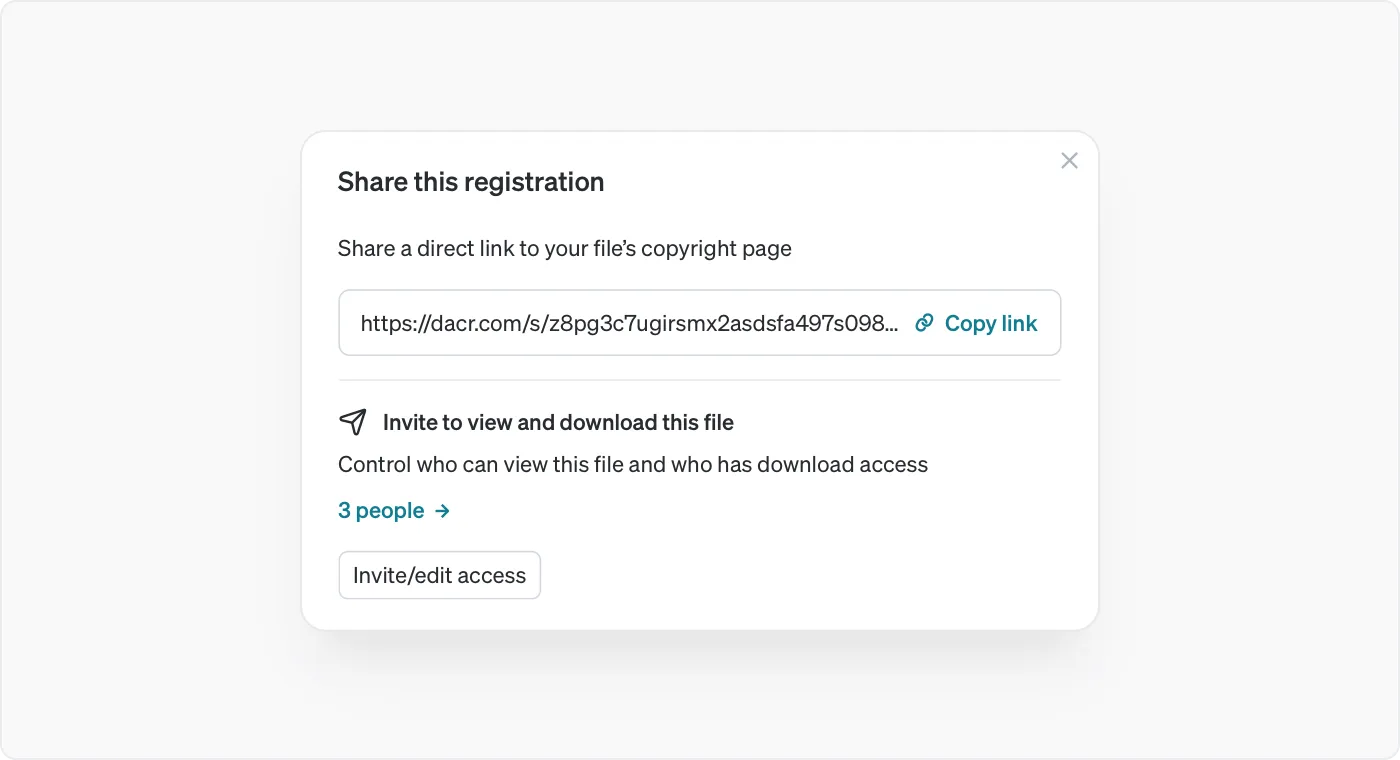
It’s the registration’s own address rather than something generated for a particular recipient, so treat it as public: anyone you send it to can forward it, and there’s nothing to switch off later.
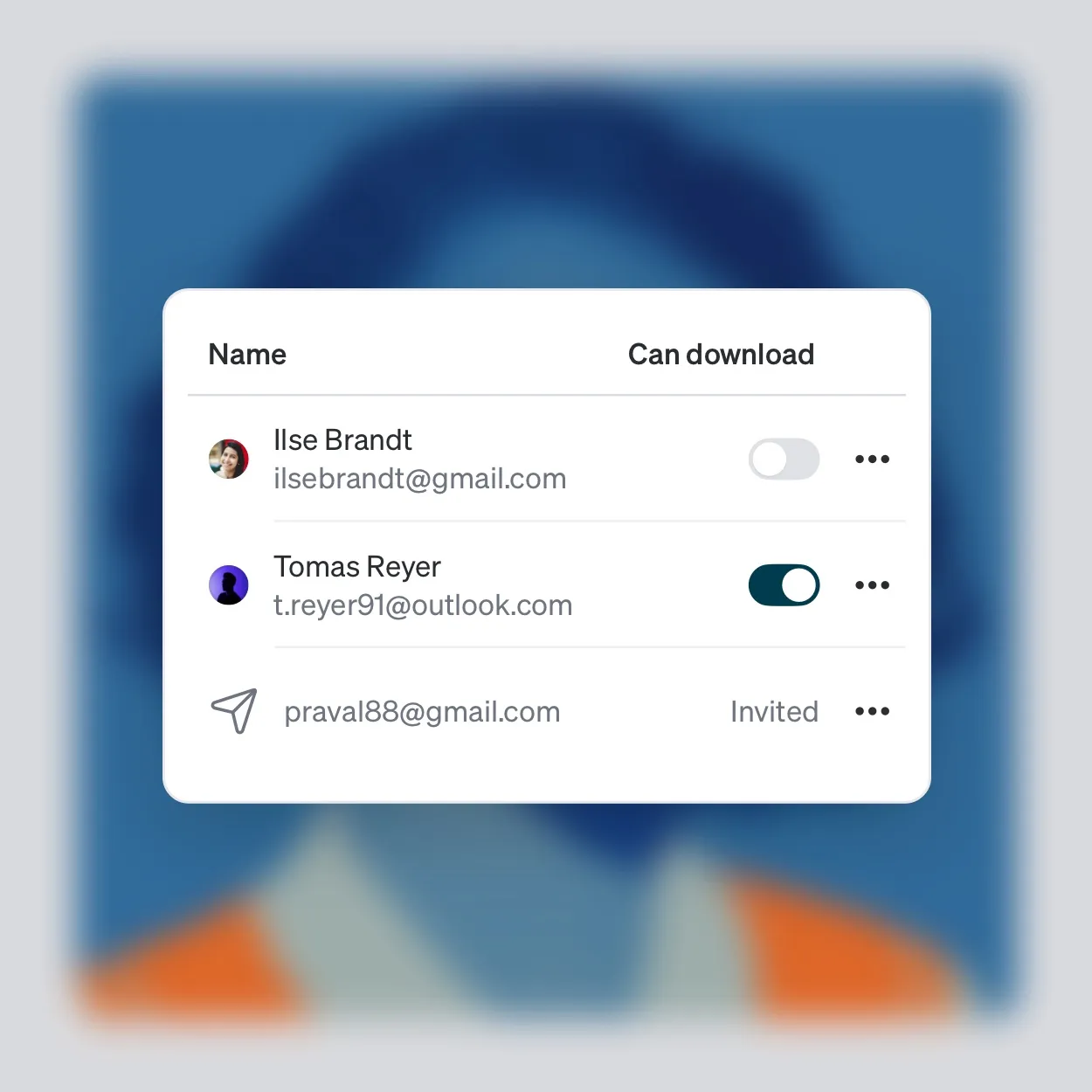
If they do want the material, invite them rather than attaching anything. Downloading starts switched off, so they can look without taking a copy, and access can be withdrawn when the conversation ends.
What registration actually covers here
Copyright protects the expression of an idea rather than the idea itself. Article 9.2 of the TRIPS Agreement states it directly: copyright protection shall extend to expressions and not to ideas, procedures, methods of operation or mathematical concepts as such.
So register a treatment and you have a record of that treatment as written. You do not have a claim over the premise, the setting, or the concept, and anyone is free to arrive somewhere similar independently.
That matters because the fear people bring to pitching is almost always about the idea. Registration answers something narrower: whether this particular script, deck, demo, or design existed in this form on this date, under your name.
Narrower than you’d want, and considerably better than an email sent from an account you no longer use.
Register the version you send
Pitches get revised. If the second draft differs materially from the first, register it too rather than assuming the original covers it.
Name the versions so you can tell them apart before you upload. The filename you register with is permanent and publicly visible. File them together so “which cut did we send that studio” has an answer.