You are shooting a result that lands at ten past nine, filing by twenty past, and the picture desk wants it before the competition files theirs. There is no part of that hour with slack in it.
Which is exactly why the usual advice about building registration into your workflow is useless here. The workflow is a sprint. What fits is the smallest possible version of it, at the one moment it can happen.
The gap you have is between edit and transmit
However compressed the job, there is a point where you have selected frames, captioned them and are about to send. That is the only reliable window, and it is the right one, because those files are what goes out.
Register the frames you’re filing. Not the take, not everything on the card. The four or six pictures the desk is receiving.
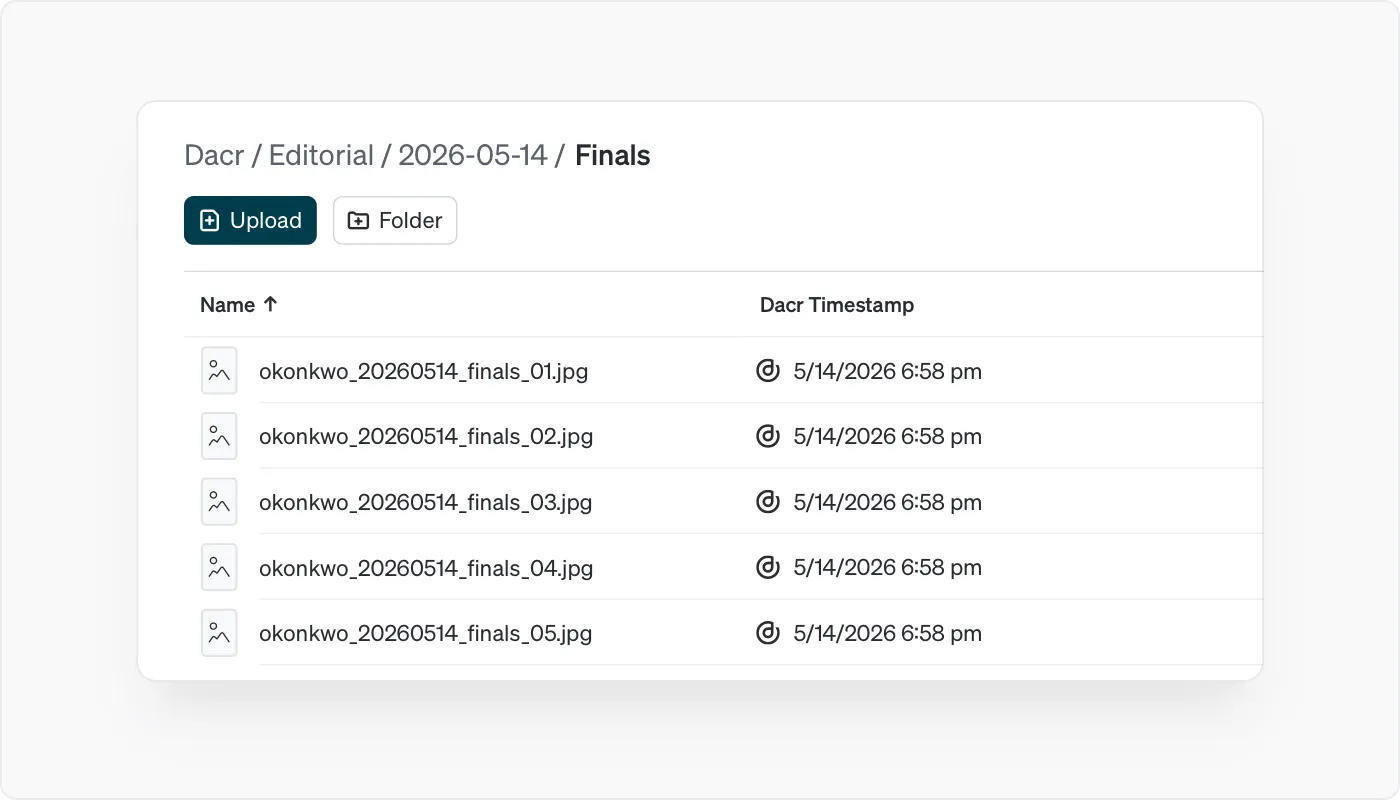
On a fast job this adds a step measured in seconds rather than minutes, because the files are already selected and named.
Registering from where you are
Editorial work happens on location, from a bench, a press room or the back of a car, and the picture rarely goes through a desktop before it goes to the desk.
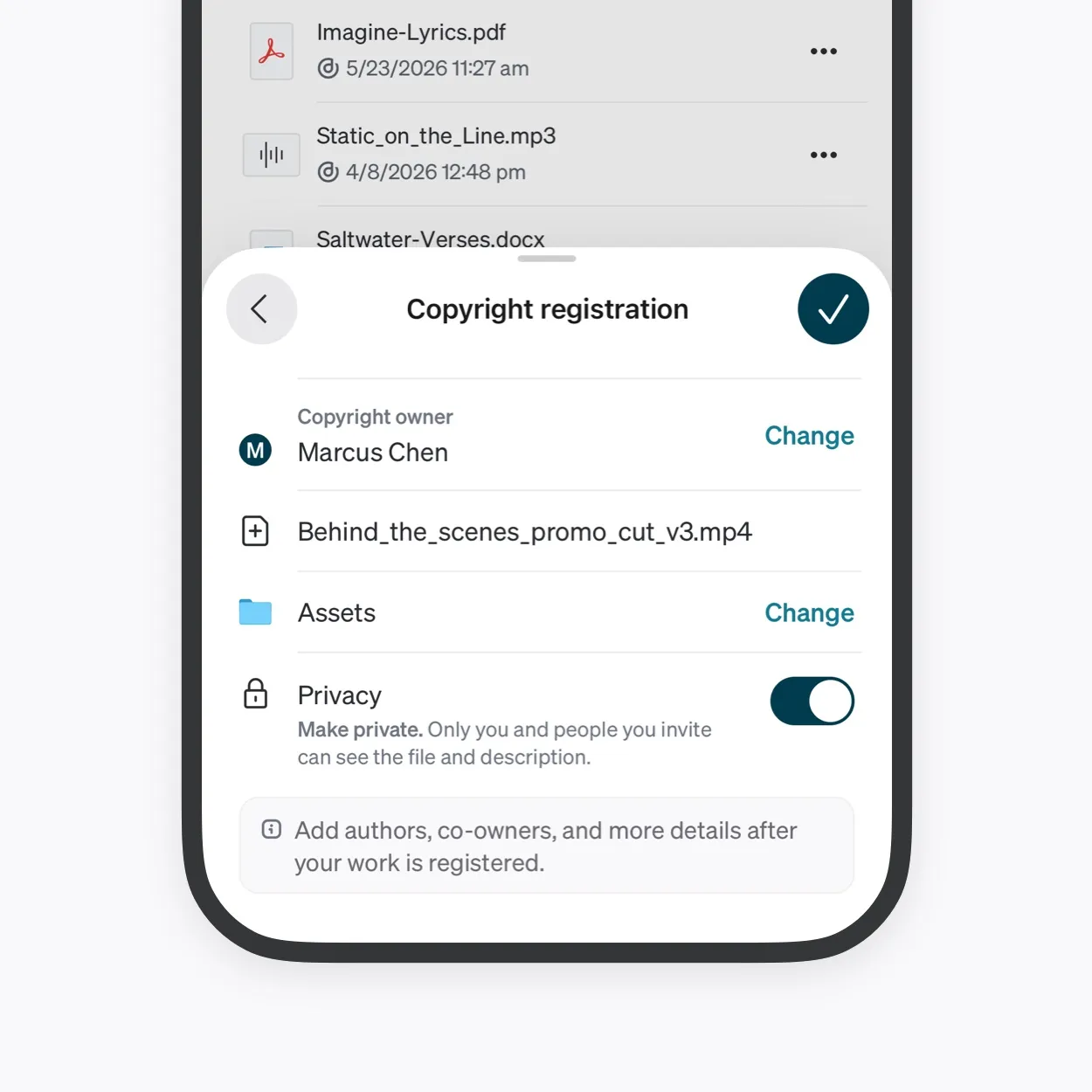
Registration works from a phone, which is what makes this practical at all. The images you’re filing are the images you register, wherever you’re standing when you file them.
If you’re filing from a laptop, the same applies from there, with the owner, folder and privacy settings already carried from your account rather than asked again.
Naming is the thing you cannot fix later
Captioning discipline is already part of the job, which puts editorial photographers ahead of most people on this.
The filename you upload is permanent and stays publicly visible, and the filename becomes the record’s starting title. Your existing convention, whatever it is, will almost certainly do. What won’t do is a raw camera sequence, and on deadline that’s what you will default to unless the renaming is part of your export preset.
Titles can be edited afterward when you’re back and calmer. The filename stays as filed.
Syndication is why this matters more here than elsewhere
A published news picture is reproduced within minutes, legitimately and otherwise. It goes to wires, to aggregators, to news sites in a dozen countries, to social accounts that strip the credit as a matter of routine.
By the end of the day there are hundreds of copies and the earliest ones are indistinguishable from the later ones. A record made before transmission is the one thing in that sequence with a date attached that nobody downstream can produce.
Held frames and embargoes
Not everything gets filed immediately. Features run later, embargoed material sits, and some frames are held back deliberately.
Register those too, and keep them private. That hides the images and the description while ownership, authorship and the timestamp stay publicly verifiable. Filenames stay visible as well, so an embargoed story is a reason to name neutrally.
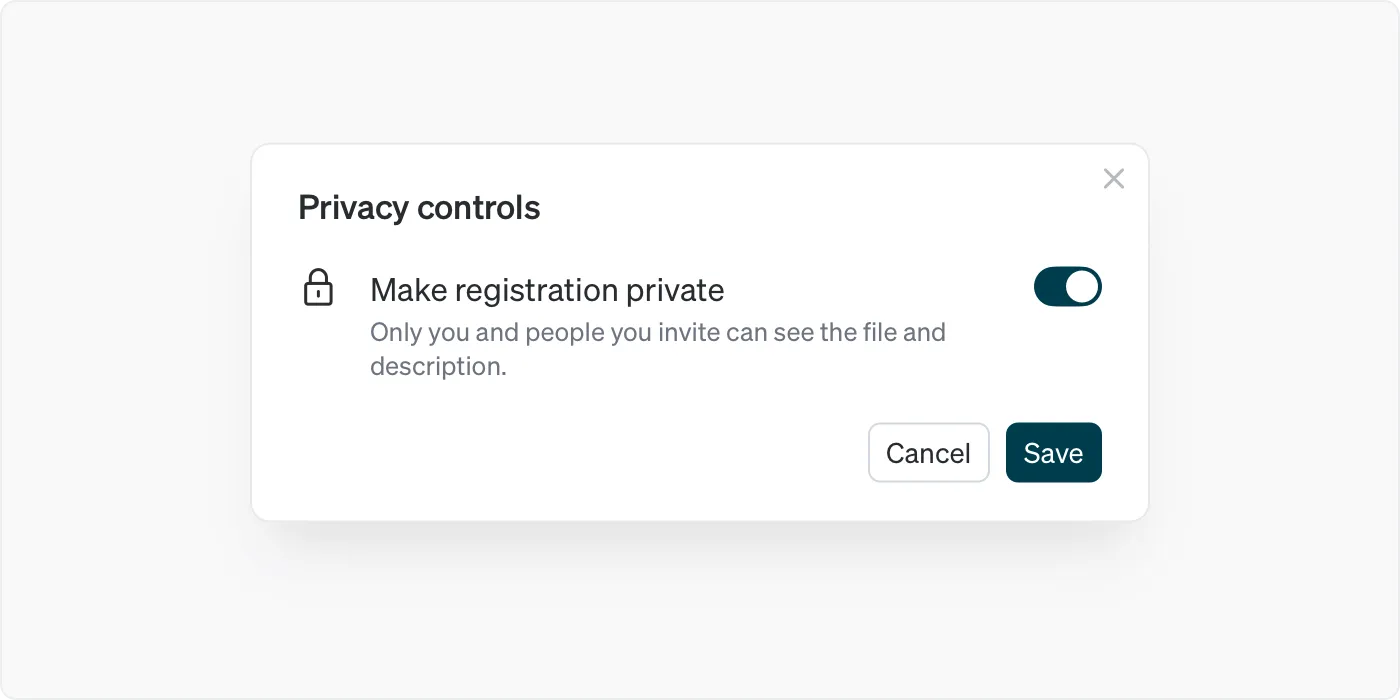
Make them public when the story runs, individually or across a selection.
Who owns it depends on your arrangement
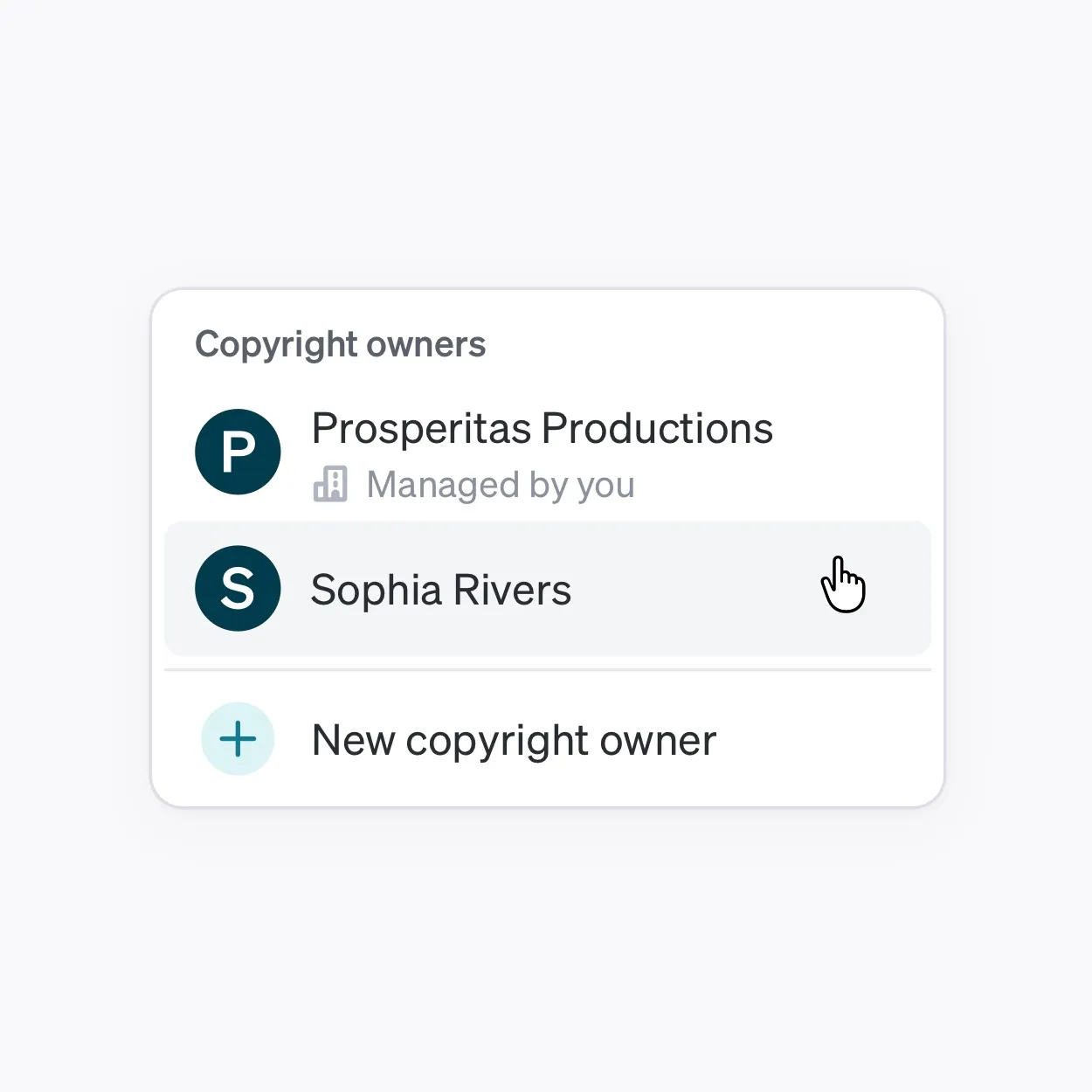
Staff, contract and freelance arrangements differ, and some assign ownership to the publication while others license specific usage.
Register under whichever owner your arrangement names. Getting that right at the point of filing matters, because the principal owner can’t be edited afterward. If you aren’t sure what your contract says, read it on a quiet day rather than working it out during a dispute about a picture that has been syndicated four hundred times.
The version that fits a bad day
Select, caption, register, transmit. If the day is going badly enough that even that is too much, register when you file your expenses that evening, which is still the same day and still before most of the reuse happens.