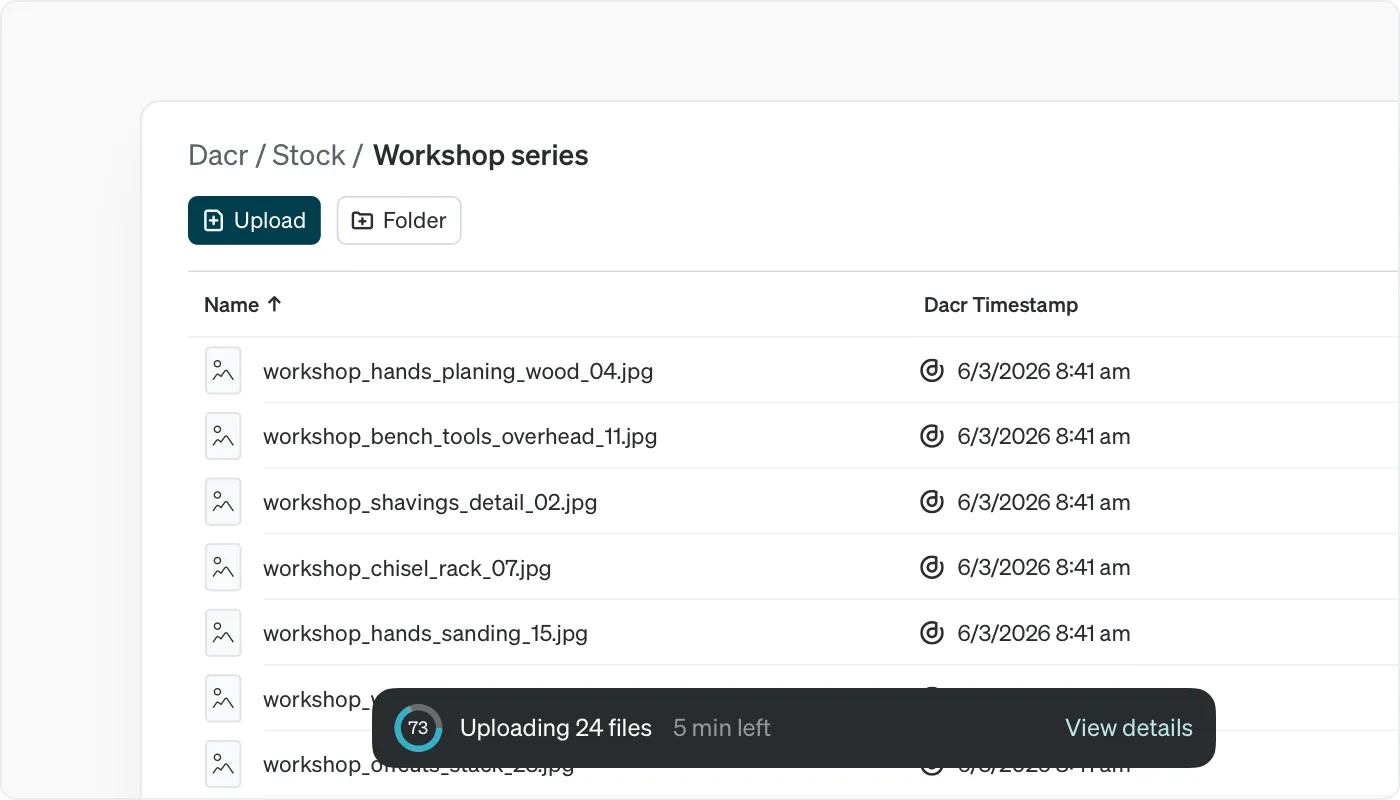
Uploading to an agency is distribution. From the moment a file is accepted it is indexed, previewed, thumbnailed, syndicated to partner sites and served to anyone who searches the right word.
That reach is the point of stock. It also means an image is out of your hands in a way that a client delivery never quite is, because nobody chose to receive it.
The record should predate the upload
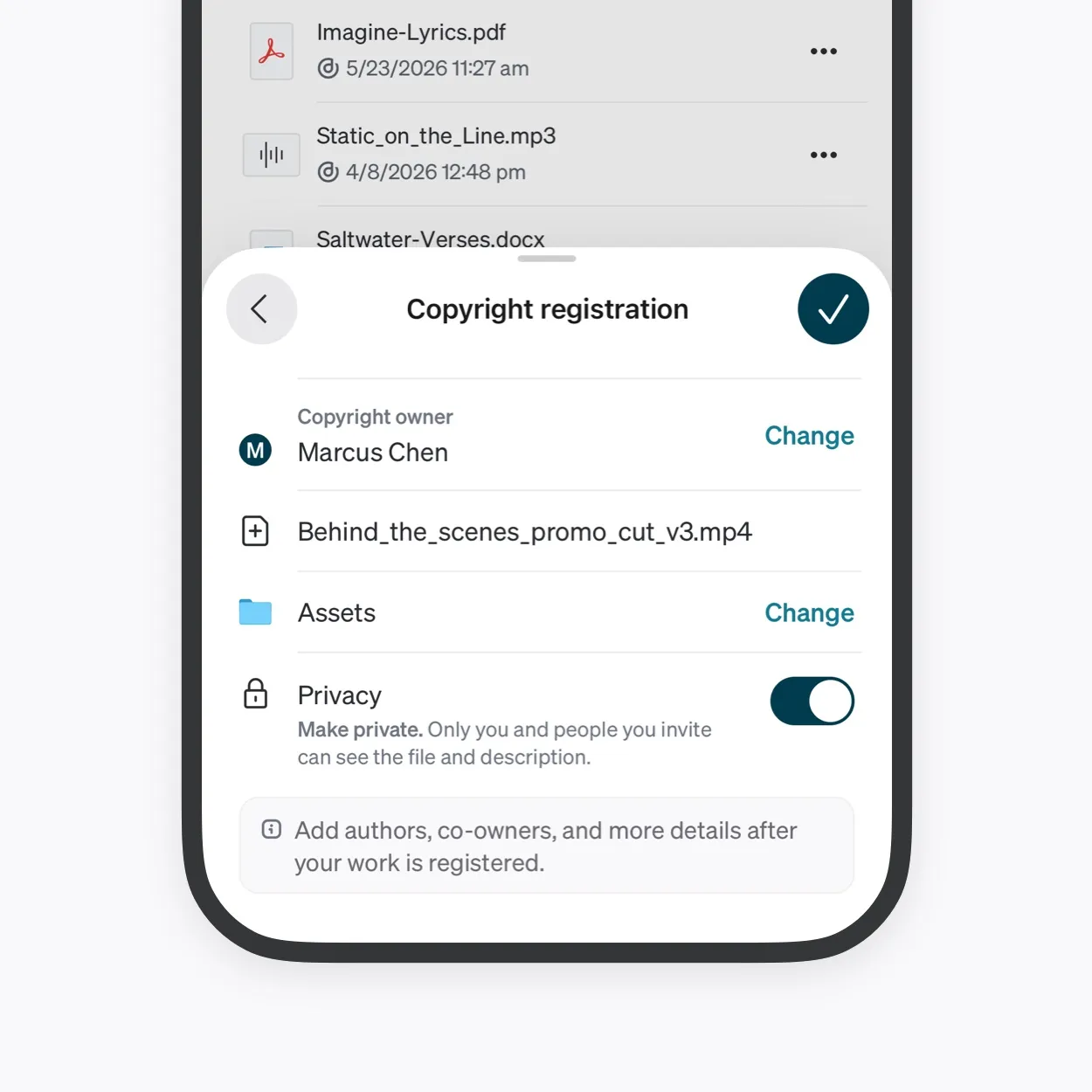
A registration made before you submit describes the file as it existed before any of that distribution began.
Registering afterward still creates a record. It creates one dated after the image had already been syndicated across several platforms, which is a weaker thing to explain if you later need to establish which version came first.
Registering an agency upload does not change who licenses it
Be clear, because photographers sometimes assume the two systems interfere with each other.
Most agency arrangements are licensing, not transfer. You keep ownership, the agency licenses on your behalf under whatever terms your contract sets, and a registration records the ownership you already have.
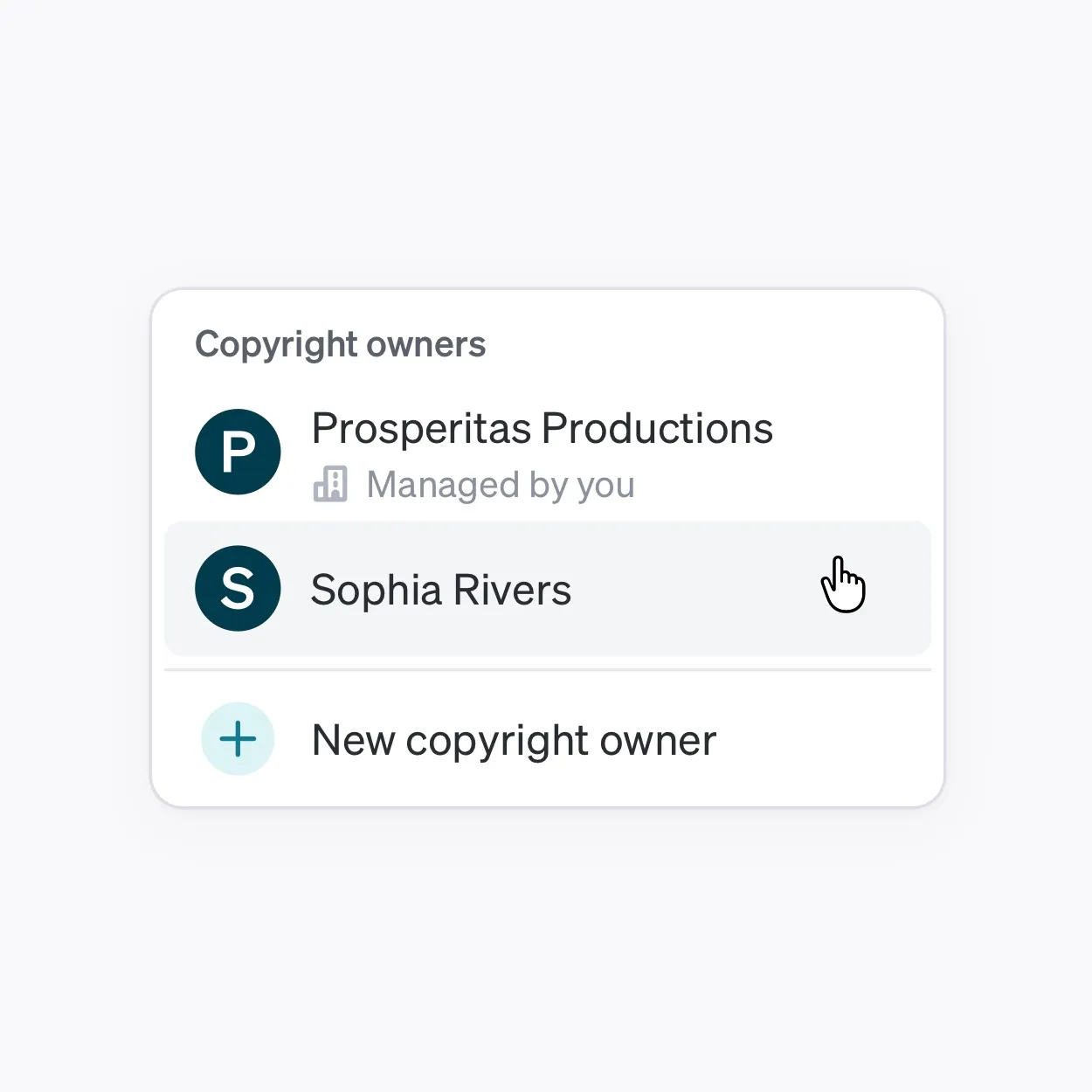
Where an agreement does transfer ownership, and some do, register under whichever owner the contract names. Get that right at the point of registering, since the principal owner can’t be edited afterward and changing it means selling or reassigning the registration.
Keywording and metadata are a separate exercise entirely. They make an image findable in an agency search; a registration records who made it and when.
Which frames from a take
A shoot might yield two hundred submittable frames and you’re unlikely to want two hundred records of near-identical variations.
Registration is priced per work, so you choose the level of coverage that fits the shoot. For most stock work that means the selects you actually submit, and where a set contains multiple frames of the same setup, the strongest version of each setup rather than every variant.
Anything shot to a brief, or anything you expect to be a consistent earner, is worth covering in full.
Naming for a library you will still be searching in a decade
The filename you upload is permanent and stays publicly visible, and it becomes the record’s starting title.
Stock naming tends to be a camera sequence, which is fine until you have forty thousand of them. A convention carrying the shoot, the subject and the date makes a decade of work navigable, and it costs nothing at the point of export.
Titles are editable, so the descriptive layer can be improved later. The filename is the half that stays.
When an image appears without a licence
This is the ordinary condition of stock photography rather than an exception. Images get scraped from agency previews, lifted from client sites and reposted at volume.
Get the actual file where you can, at the highest resolution available, rather than a screenshot of the page it is on. The file is what a comparison runs against.
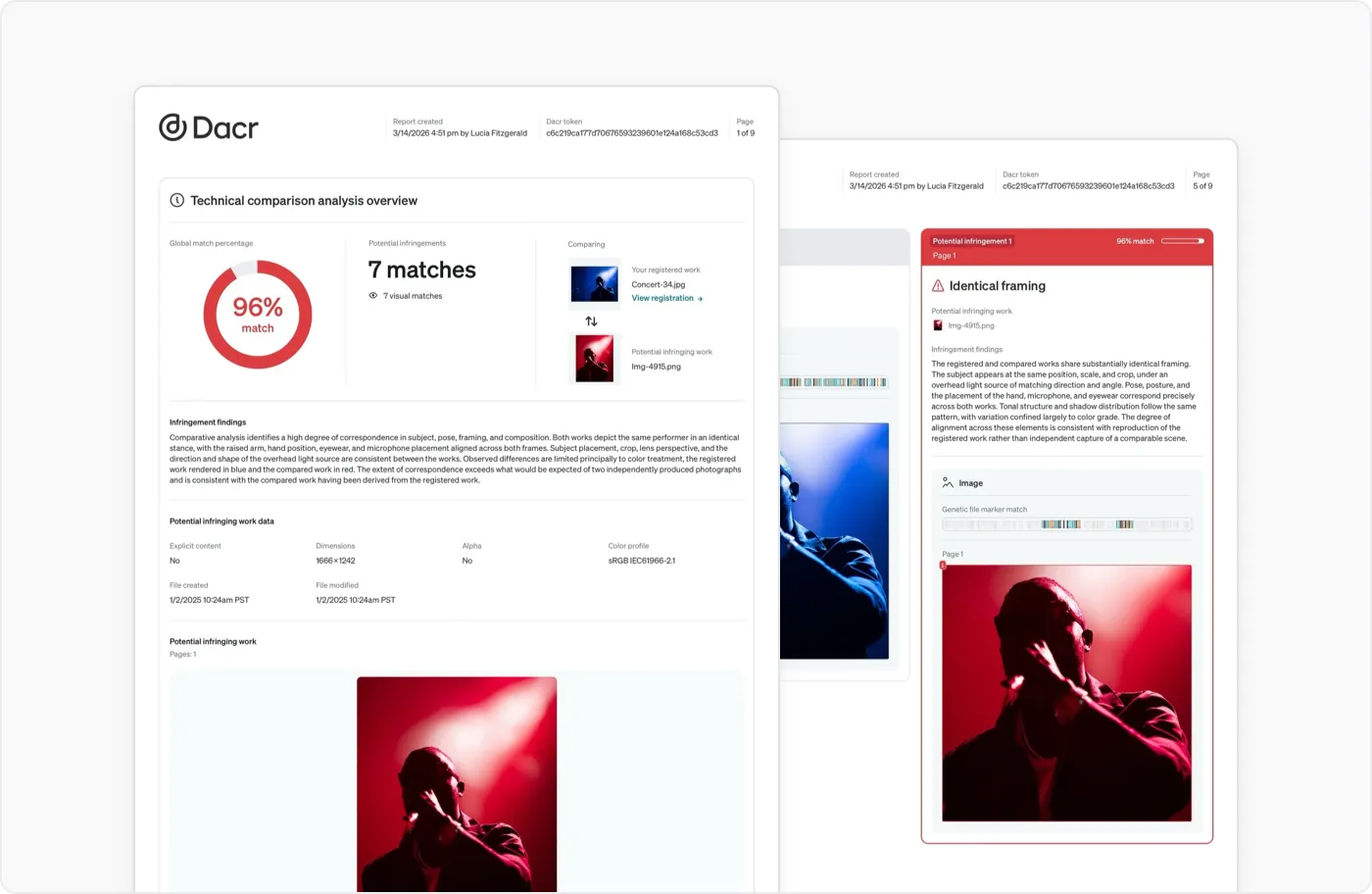
Dacr also compares every new registration against everything already registered with Dacr, automatically and on every account, so your infringement docket, where flagged matches and infringement reports appear, is the place to look first.
Creating a report uses one report credit, spent at creation whatever the report finds. It is returned if the report fails to process or the upload fails.
Markets, if you are a Member
Stock sells internationally by design, which makes it one of the clearer cases for thinking about countries.
Dacr Members have the option of registering a work in additional countries. Coverage added later is timestamped from the moment it is added, so choosing the list when you register is what gets you the earliest record in each market.
Your agency sales reports tell you where your images actually license, which is a better basis than a guess. Start with the markets doing real numbers.
Making it part of submission
The natural slot is the same session where you cull, retouch, rename and keyword. You already have a folder of finished files with sensible names by the end of it.
Register there, then submit. The order is the whole point.